Chiang Mai is a city of distinct neighbourhoods, and they are close enough that you can walk between some of them. Where you sleep decides what your mornings look like.
Find a room before you go.
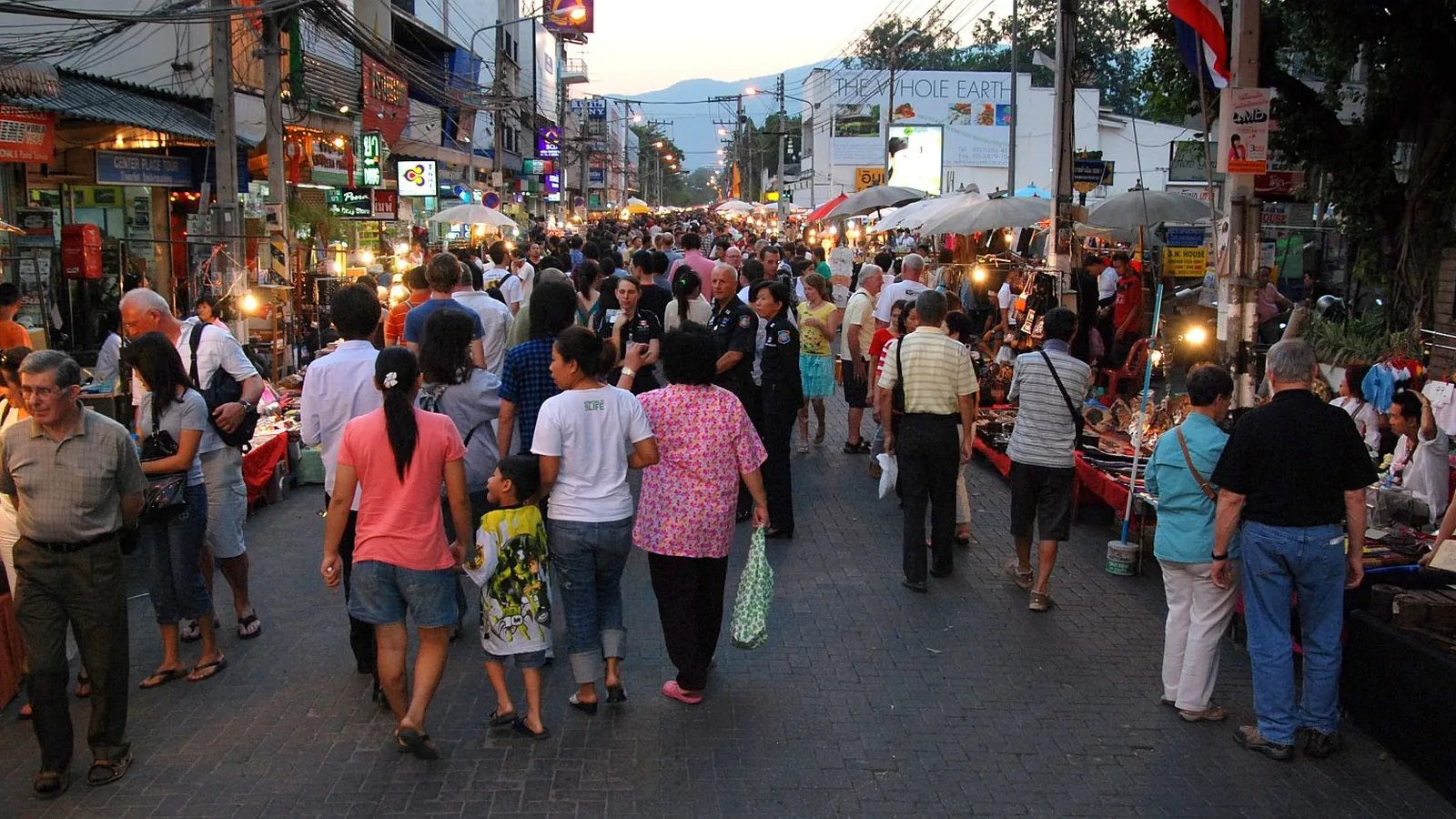
Chiang Mai's Old City is a square kilometre and a half surrounded by a moat and the remains of a 13th-century wall. Almost everything a first-time visitor comes for is inside it or a short walk away: the big temples, the Sunday Walking Street, cheap guesthouses, massage shops and enough restaurants to eat somewhere different every night for a fortnight.
It is also the easiest place to be without transport, which is not a small thing in a city where the traffic is heavier than the postcards suggest. Tha Phae Gate on the eastern side is the natural landmark: stand there and you are ten minutes' walk from the river in one direction and the middle of the Old City in the other.
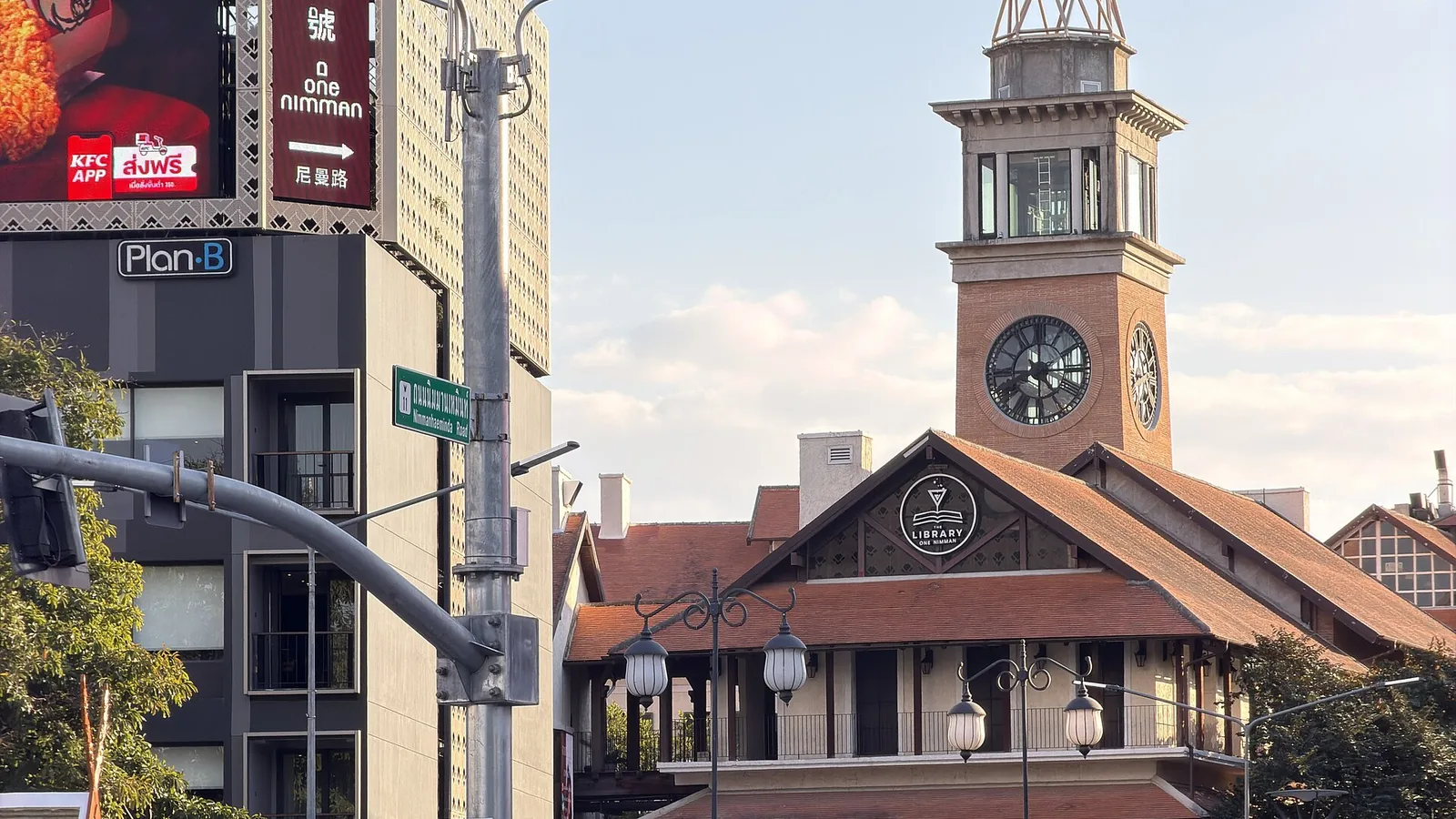
Nimmanhaemin — everyone says Nimman — sits west of the Old City next to the university. This is the coffee, design and condo quarter: speciality roasters, small galleries, coworking spaces and the Maya mall. It suits people staying a while, and people who would rather have a flat white than a temple. It has almost no old buildings.
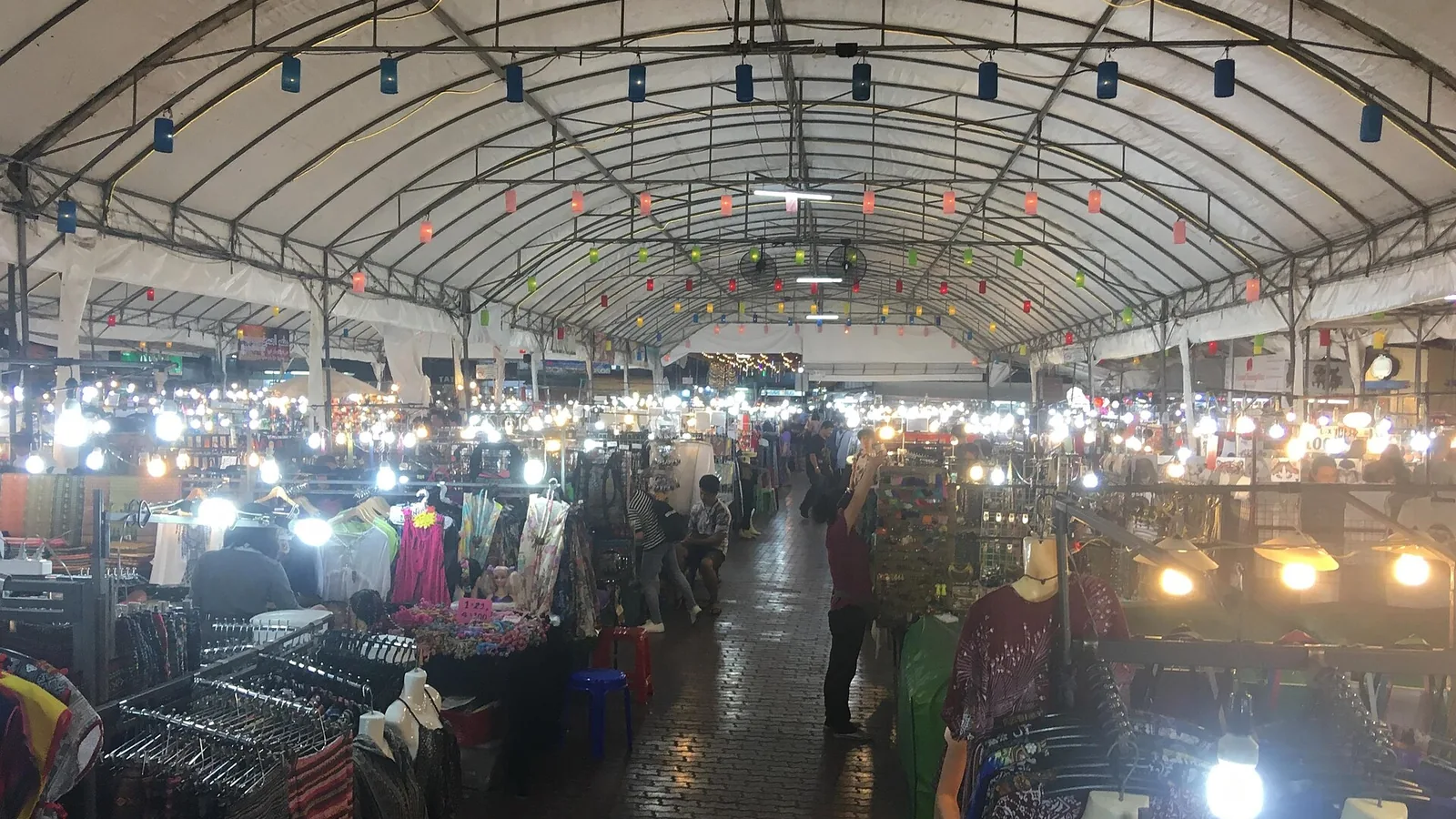
The riverside along the Ping is the quiet option, with older hotels, big trees and restaurants over the water. Just south of it, Chang Klan is the Night Bazaar district: the most hotel rooms, a market every single evening and the most tourists per square metre in the city. Convenient, not charming.

Santitham, wedged between the Old City and Nimman, is where the prices drop. It is residential, Thai, and full of cheap food; you give up a bit of polish and gain a neighbourhood that is awake at seven in the morning for reasons that have nothing to do with tourism.
Further out, the foothills below Doi Suthep and the valleys at Mae Rim and Hang Dong hold resorts, pools and rice-field views. They are lovely and they commit you to a car or a scooter for everything, including dinner. Good for a few nights at the end of a trip, awkward as a base for a first visit.

The Old City. The temples, the Sunday market and most of the cheap food are inside the moat, and you can do the whole area on foot.
Only if you want cafés, shops and modern rooms more than temples. Nimman is a newer district next to the university, with very little historic Chiang Mai in it.
The Old City or the Night Bazaar area. Both are walkable and well served by red songthaews. Mae Rim and Hang Dong are not.
It is convenient — the most hotel rooms in the city and a market every night — but it is also the most touristy part of Chiang Mai and short on atmosphere by day.
More guides to Chiang Mai and the routes north from the Gulf coast.