Steaming hot springs, an old tin-mining town on the Myanmar border, and the ferry to Koh Phayam — Thailand's other coast, two hours over the hills.
Find a room before you go.
Ranong is the Gulf coast's opposite number: an Andaman-side border province where Thailand narrows to its thinnest point, facing Myanmar across the Kraburi estuary. The town grew rich on tin mining and Hokkien merchant families, and it shows — old shophouses, the First Governor's Rattanarangsan Palace, and a hot-spring bathing culture that goes back generations.
For travellers it plays two roles: the classic visa-run town, with boats shuttling to Kawthaung in Myanmar, and the jumping-off point for Koh Phayam — a motorbike-only island of long empty beaches and hornbills. One honest caveat: this is Thailand's rainiest province, so come between December and March if you can.
Affiliate link. If you book through it we earn a commission, at no extra cost to you.

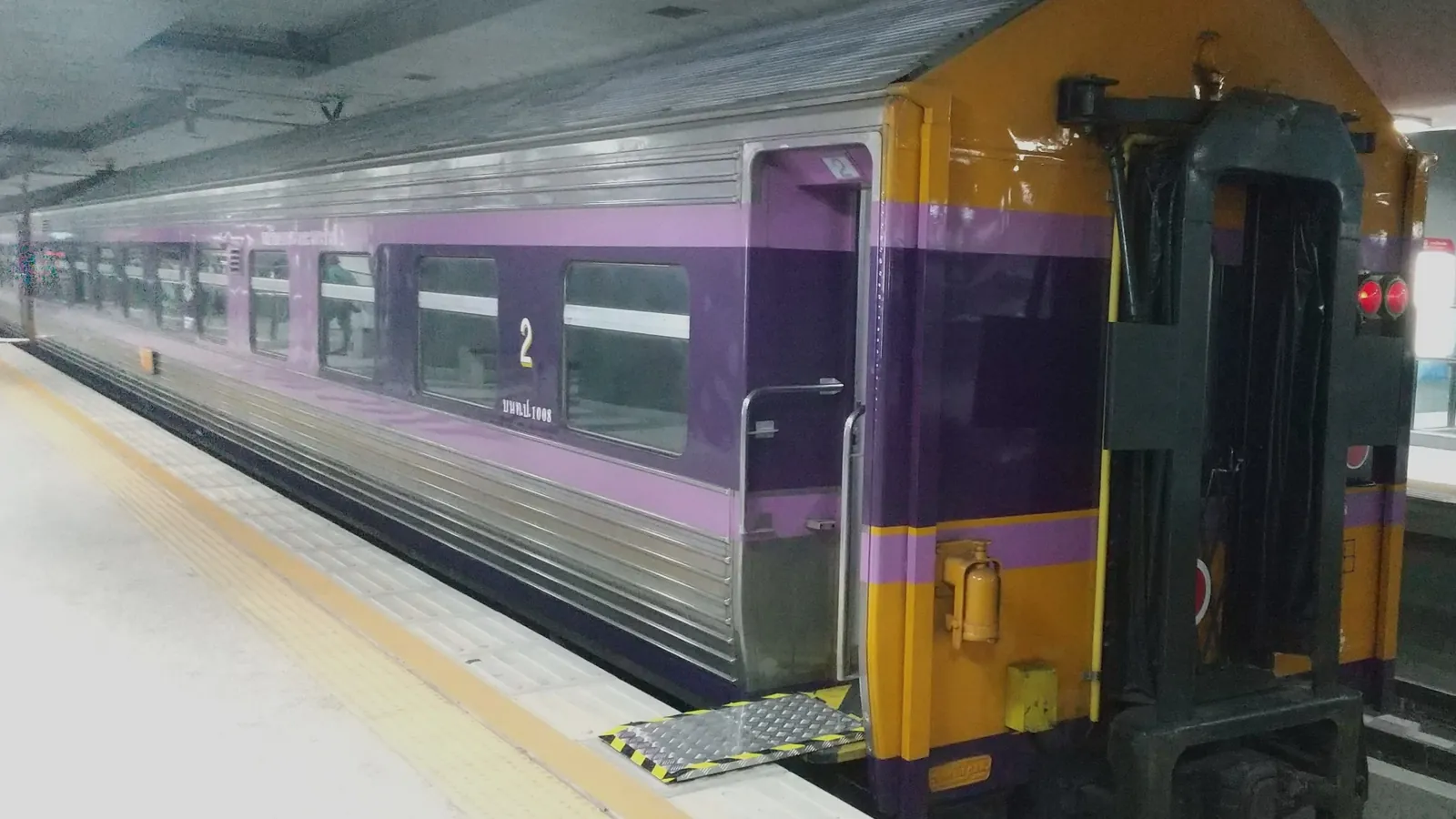
Take the train or a minivan south to Chumphon, then change to a Ranong-bound bus or minivan for the two-hour run over the hills on Highway 4 — one of southern Thailand's prettier road journeys, winding through rubber and palm country to the Andaman side.
By car the whole trip from Ban Krut is around three and a half to four hours: Highway 4 south through Chumphon, then west and south over the range. The road is good, with viewpoints over the Kraburi estuary and Myanmar beyond.
For Koh Phayam, songthaews run from Ranong town to the piers, where ferries (about 2 hours) and speedboats (about 45 minutes) cross several times daily in season.

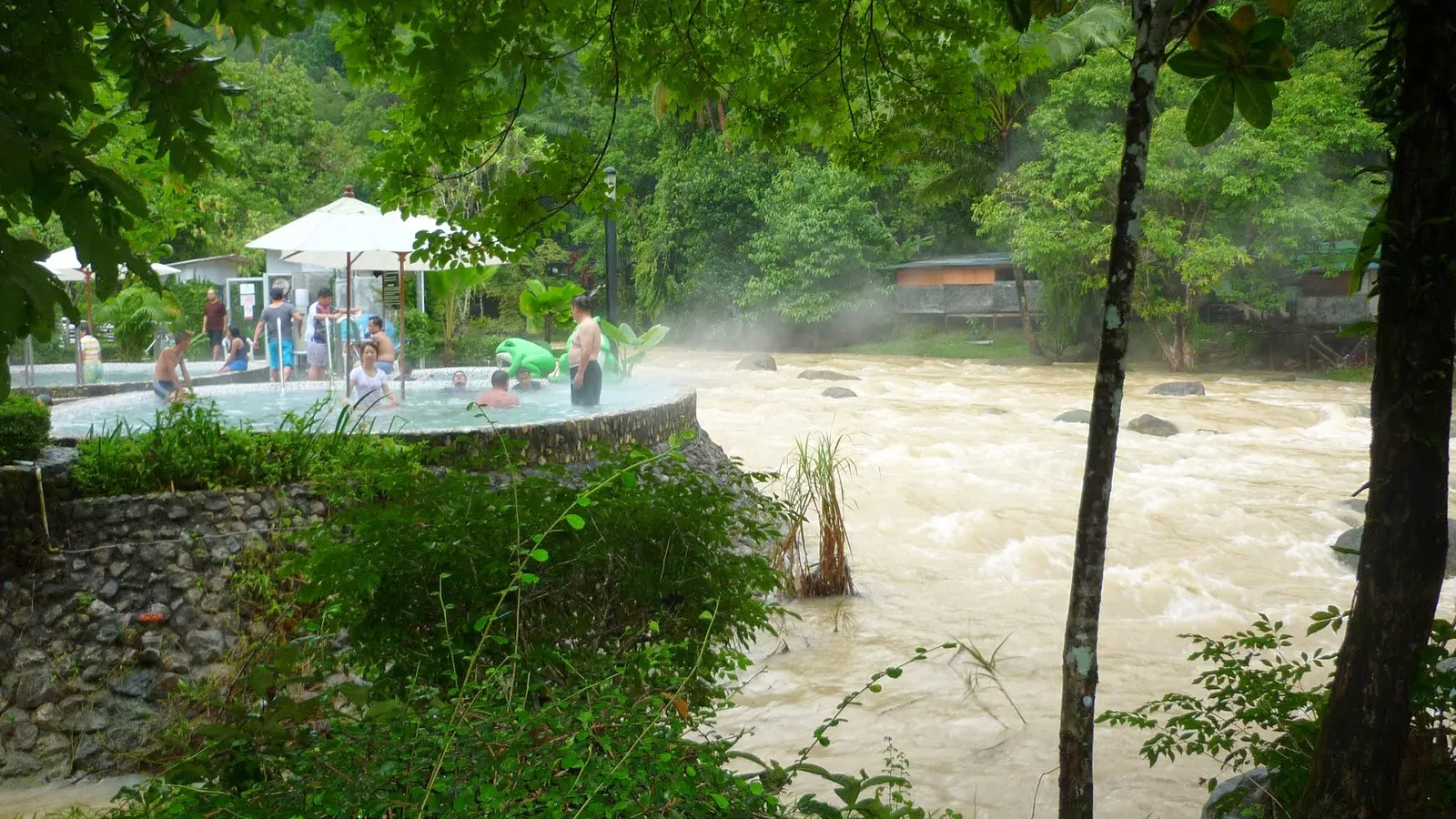
The town's mineral water emerges at around 65°C and feeds a leafy public park of soaking pools and foot baths — free or nearly so, and busiest in the cool of the evening when half of Ranong comes to simmer. Spa hotels around town pipe the same water into private tubs.

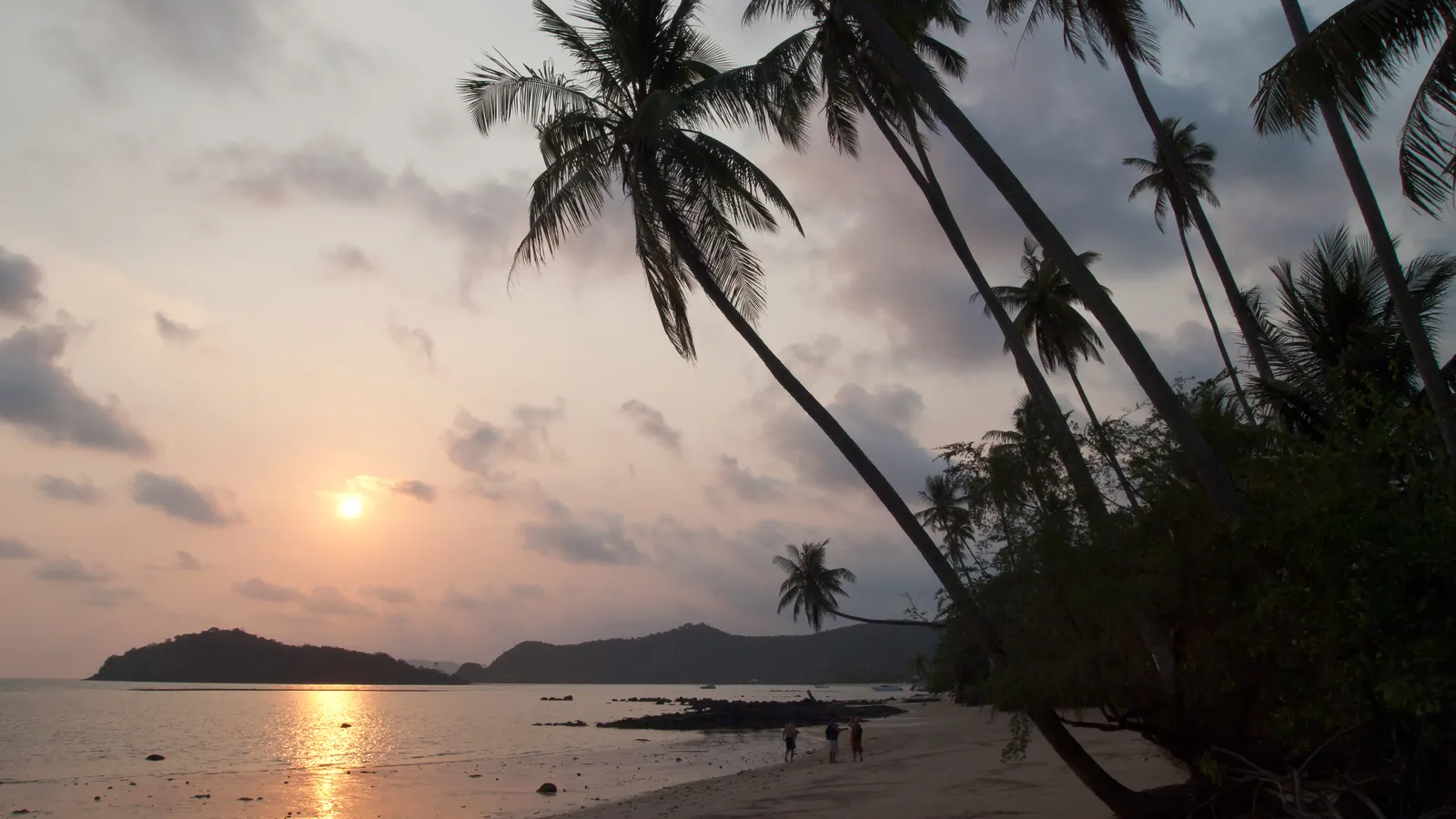
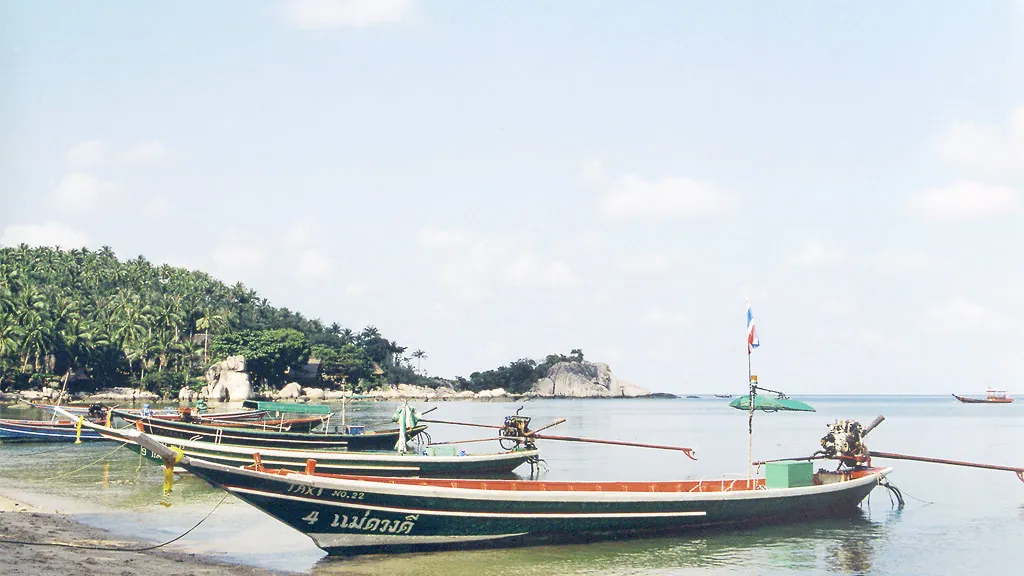
Two hours by ferry, Koh Phayam has no cars — just concrete lanes, motorbikes, hornbills in the cashew trees and the long, wonderfully empty sweeps of Ao Yai and Ao Khao Kwai. Many people come for a night and stay a week.

Longtails run from Saphan Pla pier across the estuary to Kawthaung, Myanmar's southernmost town — the classic border run, doubling as a genuinely interesting half-day abroad among golden pagodas and a different alphabet. Check current border rules before you go.

Ranong's tin fortunes built the Rattanarangsan Palace — the First Governor's residence, rebuilt on its hill above town — and the old streets below keep their Hokkien shophouse character. An easy morning's wander before the springs.

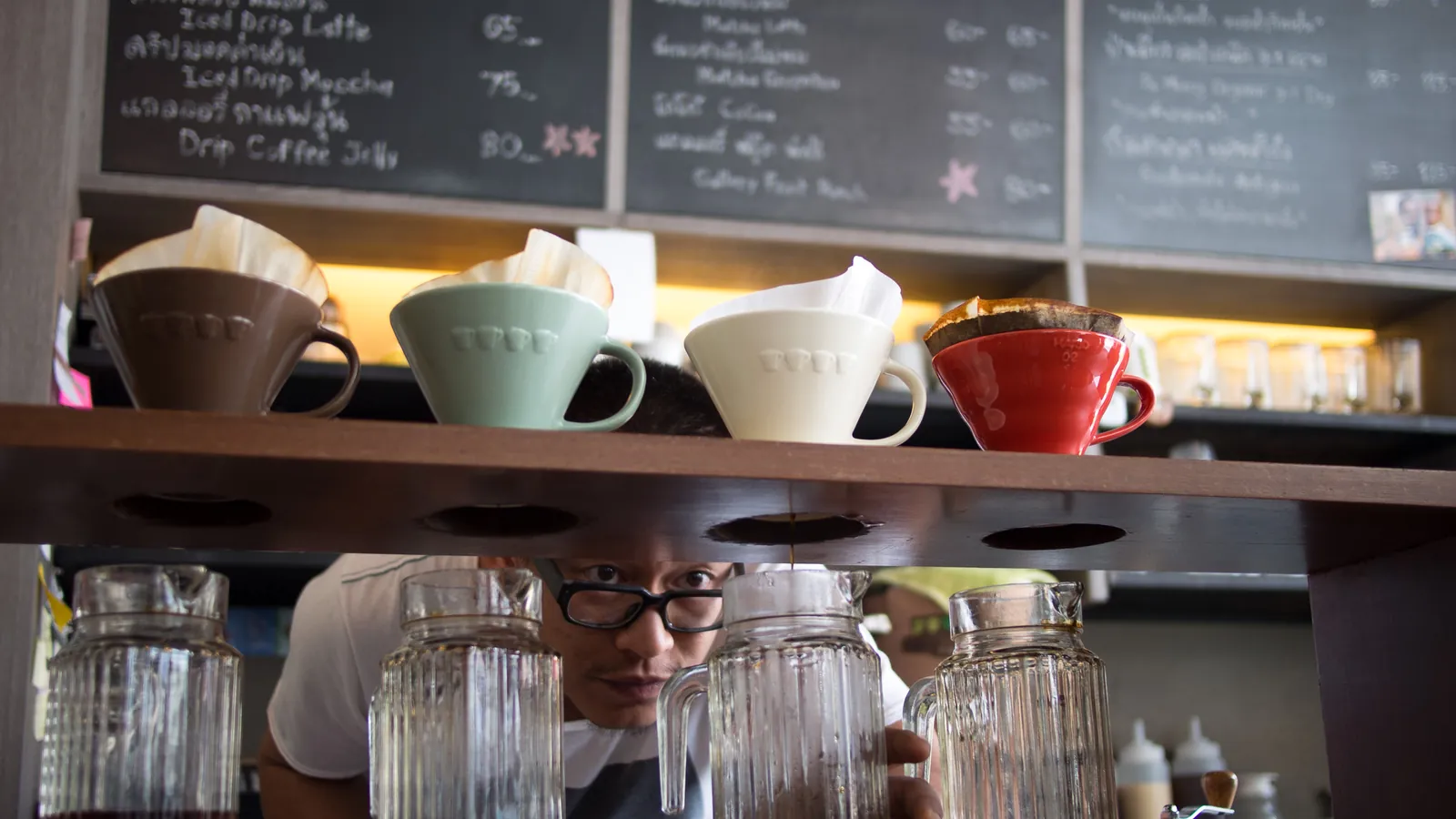
The surrounding hills grow coffee, and Ranong town does a quiet line in good cafés — old shophouses serving hill-grown beans and southern breakfasts. The perfect antidote to a rainy-season downpour.

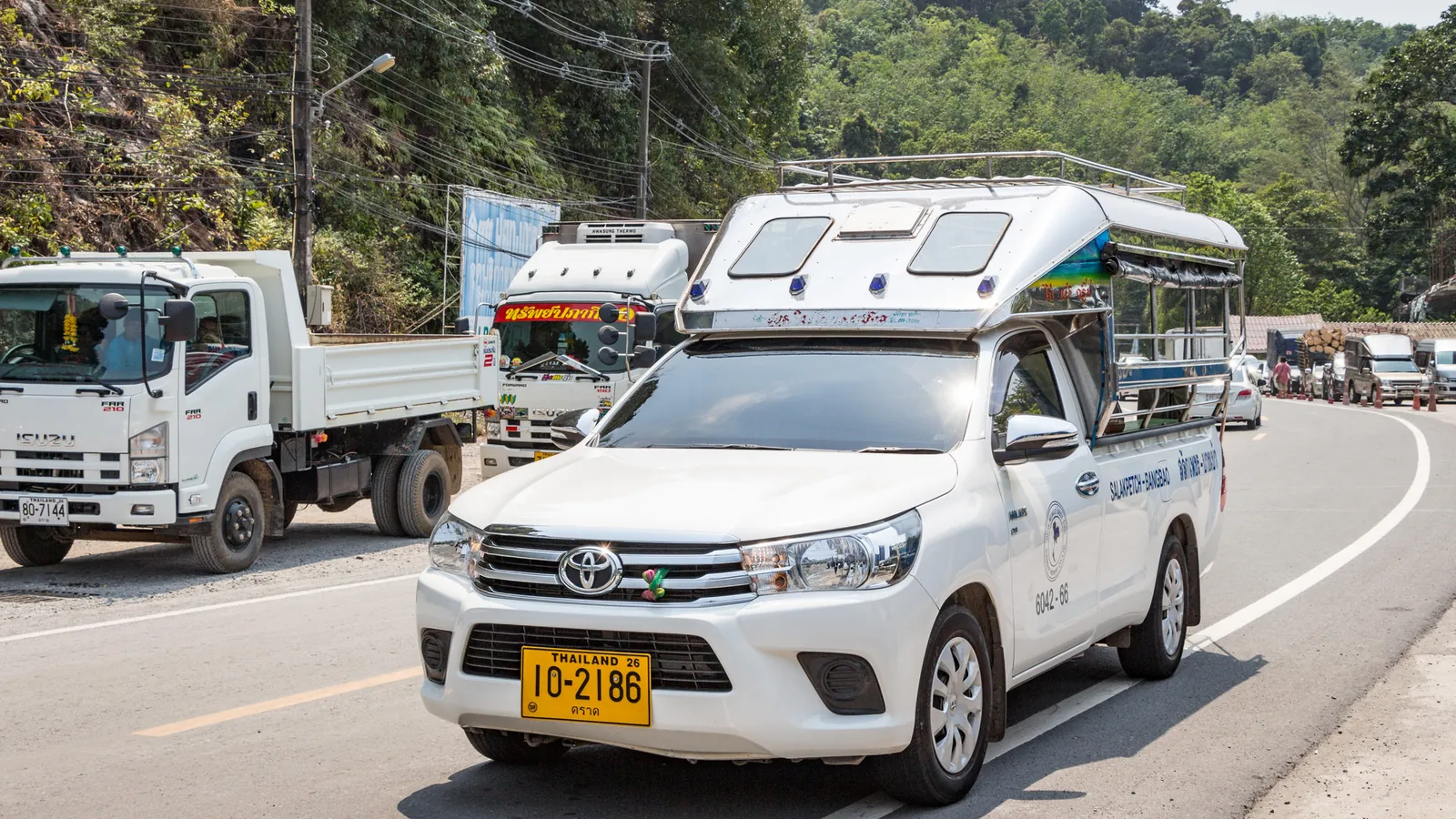
Ranong's red songthaews loop between the market, the springs and the piers for pocket change — riding the bench with shoppers and schoolkids is half the fun of a town that tourism has largely left alone.
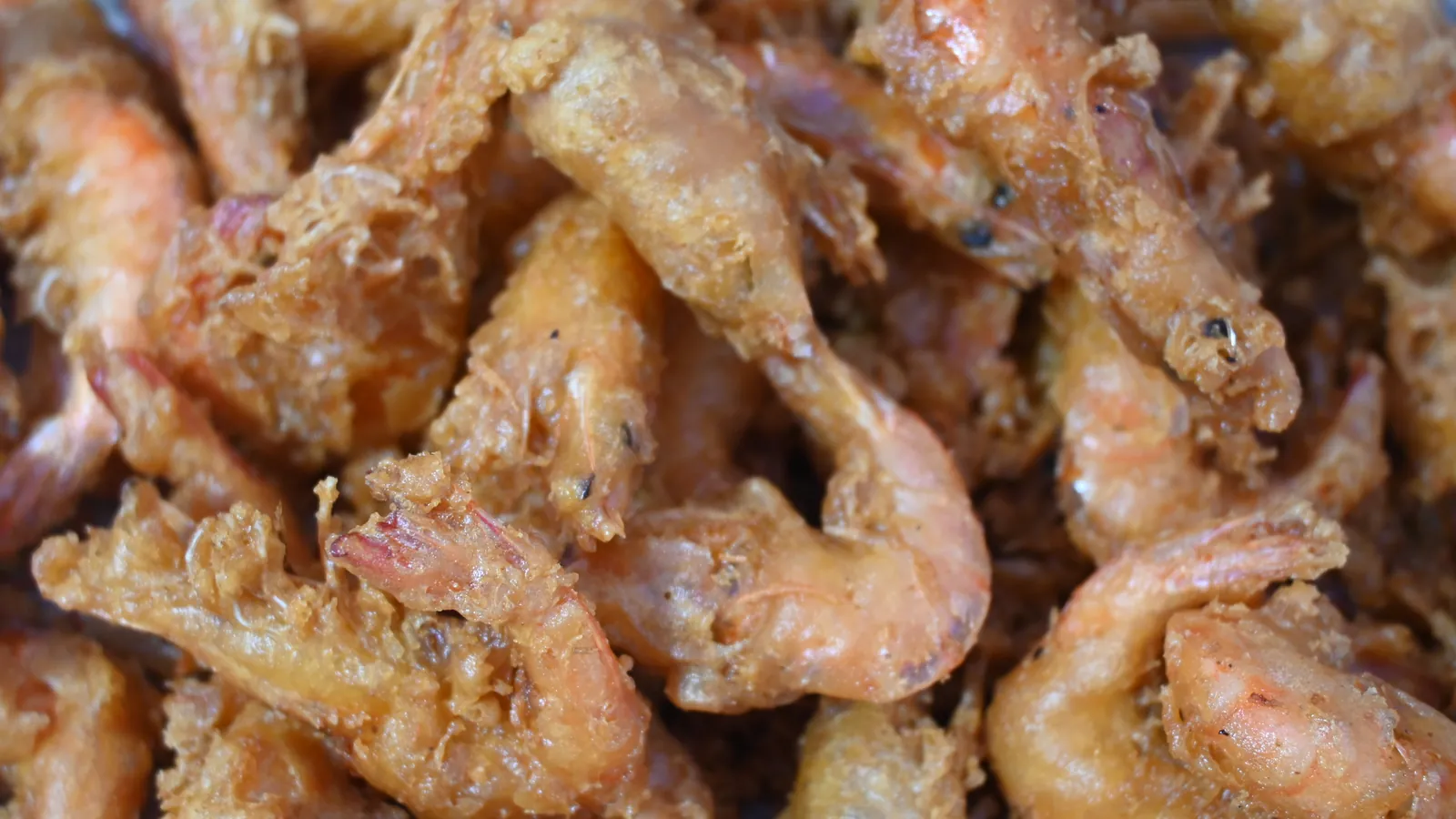
Ranong eats from the Andaman: the fishing port at Saphan Pla is one of Thailand's biggest, and the town's restaurants and market stalls turn the catch into crispy fried shrimp, steamed fish, and fierce southern curries. The Hokkien heritage adds dim sum breakfasts and old-style coffee shops.
Look out for Myanmar flavours too — tea-leaf salads and Burmese snacks follow the border traffic into town. Very little is dressed up for visitors, which keeps it cheap and honest.

Ranong's fresh market is a proper border-province affair — Andaman seafood, hill fruit, Burmese snacks and three languages in the air. Mornings are best, before the heat and after the boats.
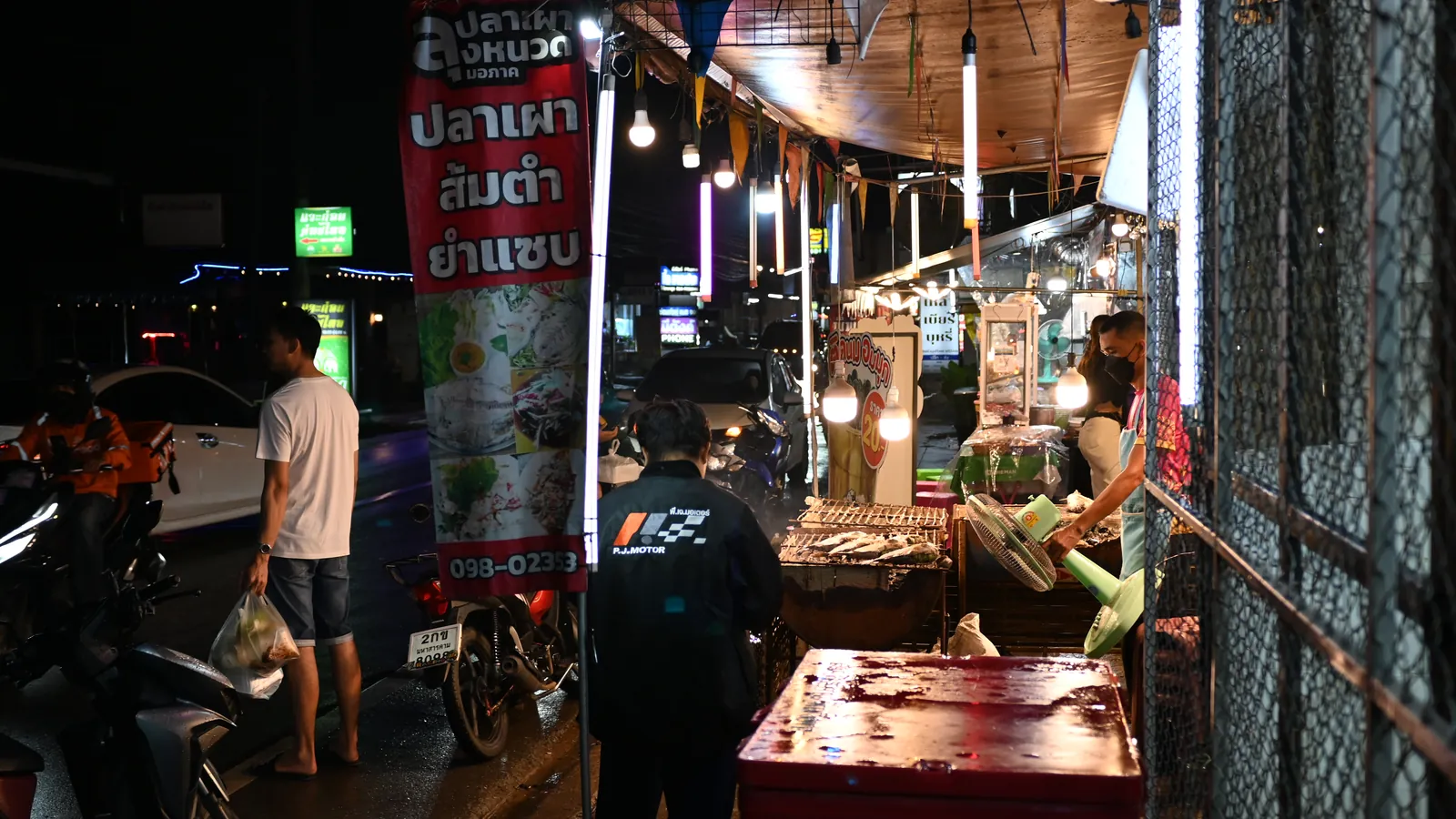
In the evening a night market sets up with grilled seafood, noodles and sweets — take a table, order half the stalls, and watch a town that sees far fewer foreigners than it deserves go about its evening.

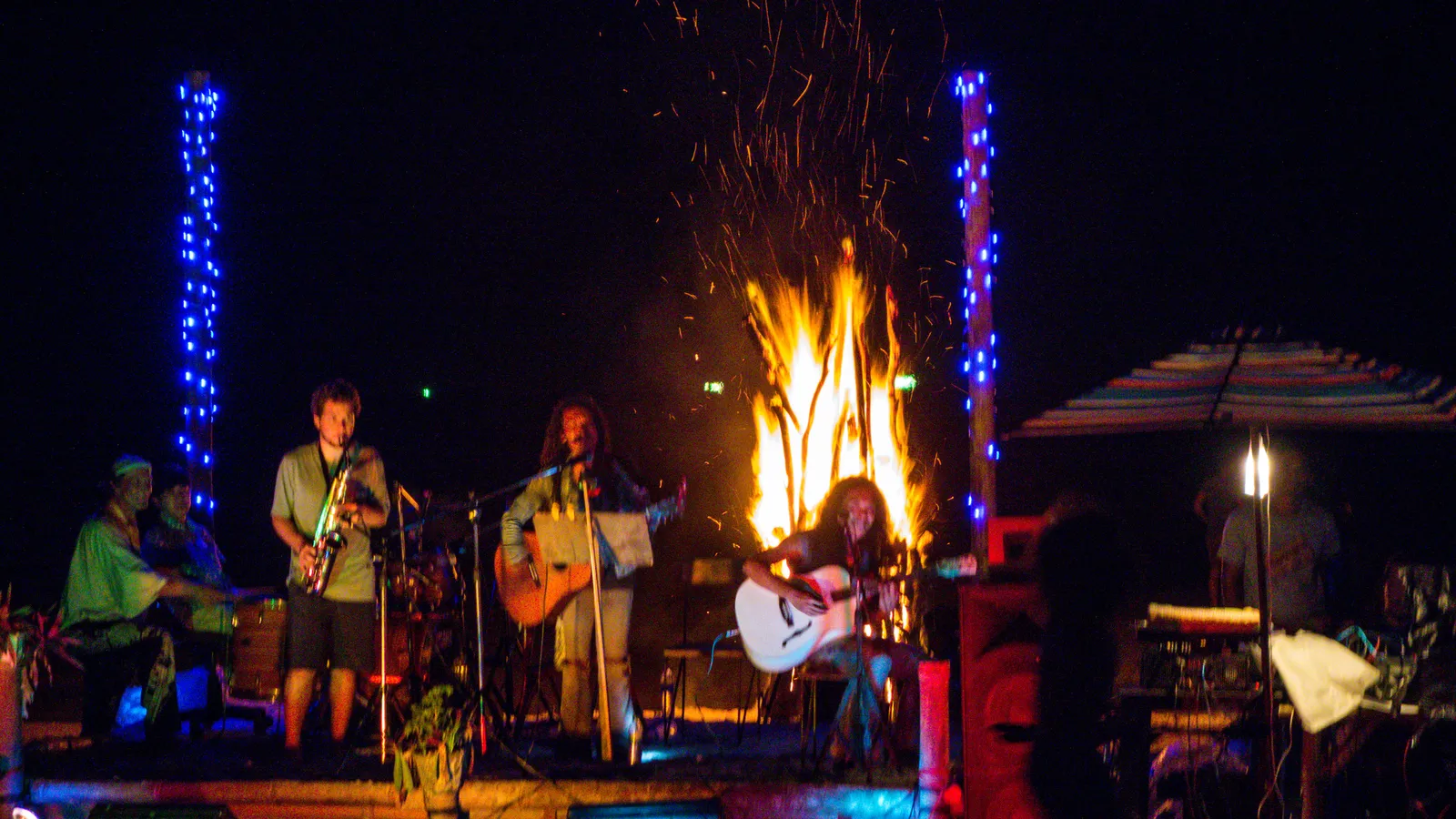
Ranong town's hotels trade on hot-spring water; Koh Phayam trades on hammocks. Many visitors do a night of each — a mineral soak on the mainland, then the ferry out to the empty beaches.
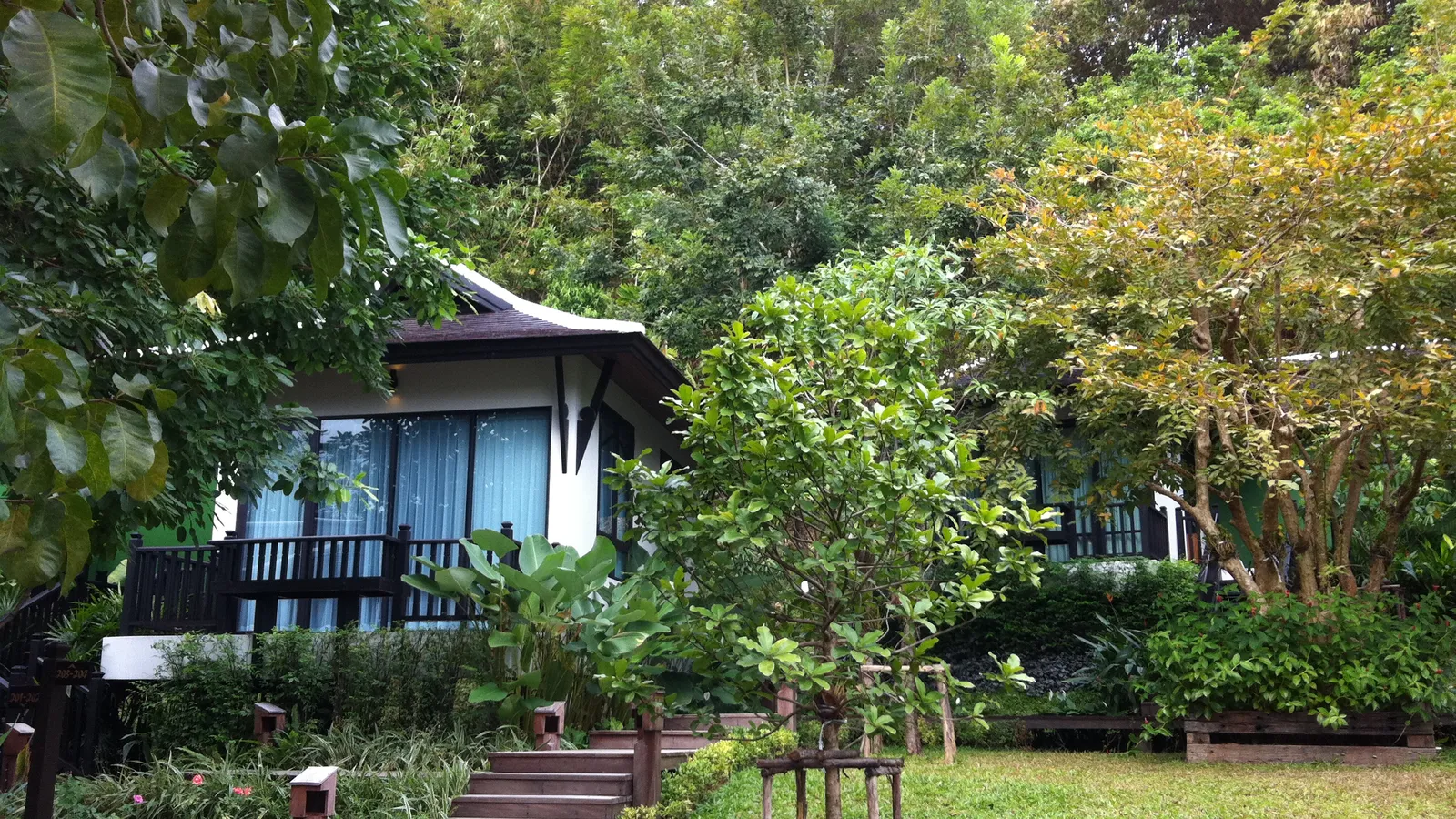
Several hotels in town pipe Raksawarin mineral water straight into their pools and bathtubs — an oddly luxurious experience at very modest prices, and wonderful after a travel day.
Simple guesthouses near the market and bus station suit a one-night stop before the Koh Phayam ferry or the Kawthaung boat — cheap, friendly and perfectly practical.
Out on the island, beach bungalows line Ao Yai and Ao Khao Kwai — from bamboo-basic to boutique. Book ahead for the December–March window; much of the island closes in the rains.
Step-by-step transport guides for this stretch of the Gulf coast.