The province where the ferries leave for the islands and the jungle rises into Khao Sok — with a genuine, tourist-light Thai city at its heart.
Find a room before you go.
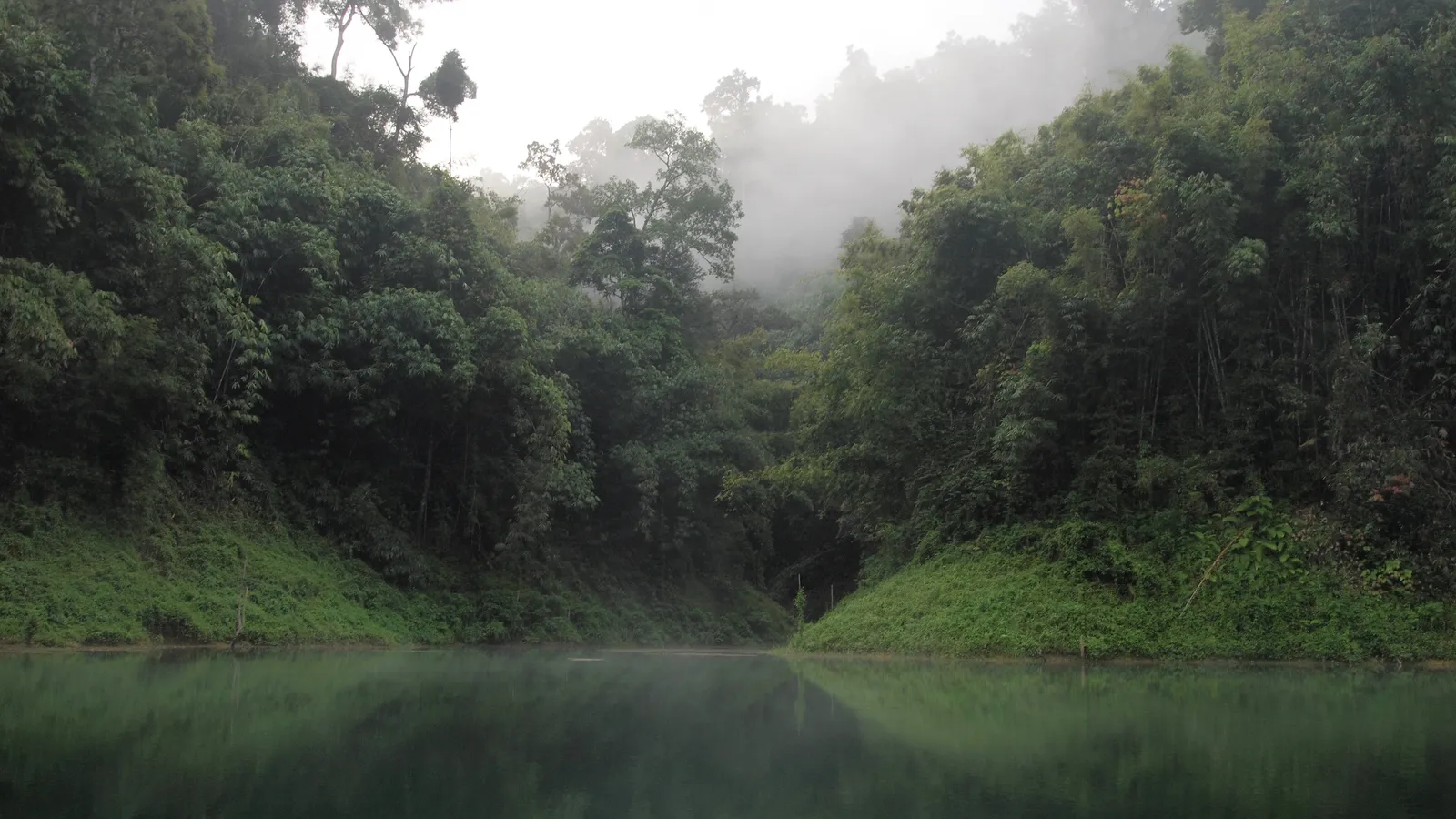
Most travellers see only Surat Thani's bus station on their way to the islands — and miss one of southern Thailand's most rewarding provinces. Inland lies Khao Sok, one of the world's oldest rainforests, and the surreal green water and limestone towers of Cheow Lan lake, where you sleep in floating raft houses.
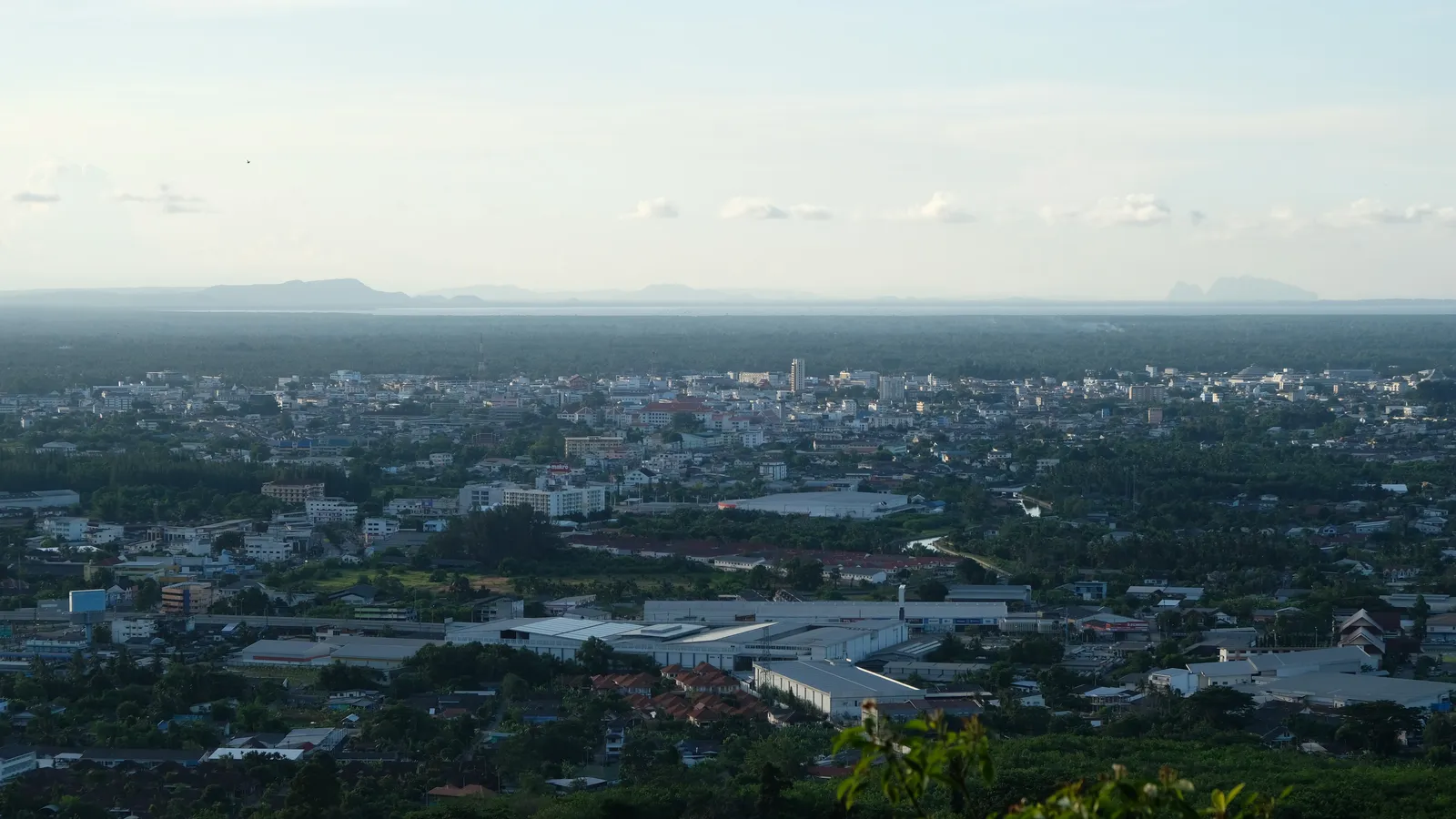
The city itself, on the Tapi river, is refreshingly untouristed: night markets full of southern food, morning alms rounds, and river life that carries on exactly as it did before the islands were famous. It's also the end of the line for Ban Krut's southbound trains before they head deeper south.
Affiliate link. If you book through it we earn a commission, at no extra cost to you.

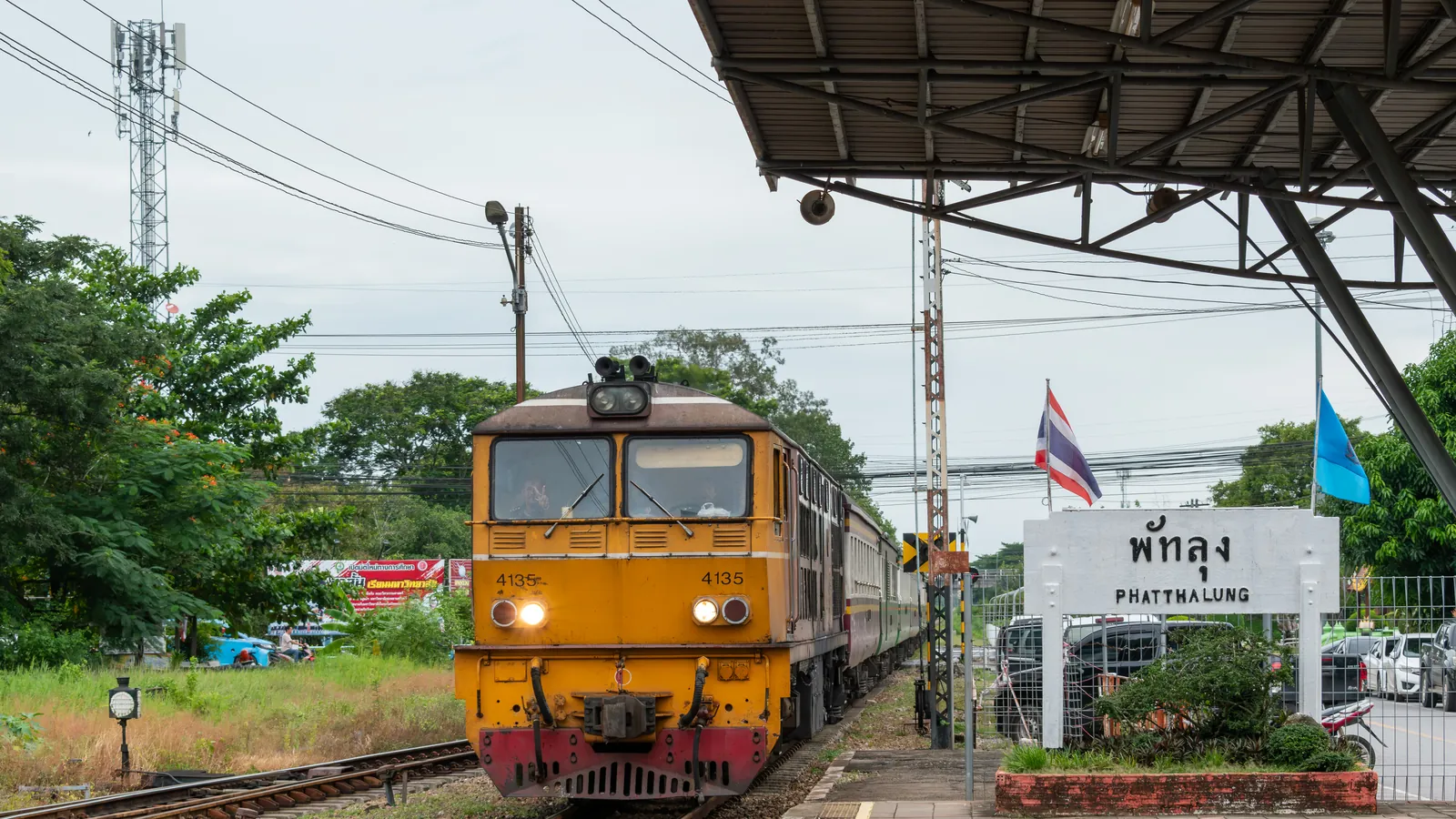
Southbound trains from Ban Krut reach Surat Thani in roughly 4–5 hours — both day services and the night trains from Bangkok stop here. The station is actually in Phun Phin, 14 km west of the city; songthaews and orange buses shuttle into town.
For Khao Sok and Cheow Lan, minivans leave from the city and the train station area — about 1½–2 hours to the park entrance at Khlong Sok village, slightly longer to the Ratchaprapha dam pier for the lake.
Island-bound: combined tickets from the station put you on buses to Donsak pier (1½ hours) and onto ferries to Samui or Phangan.

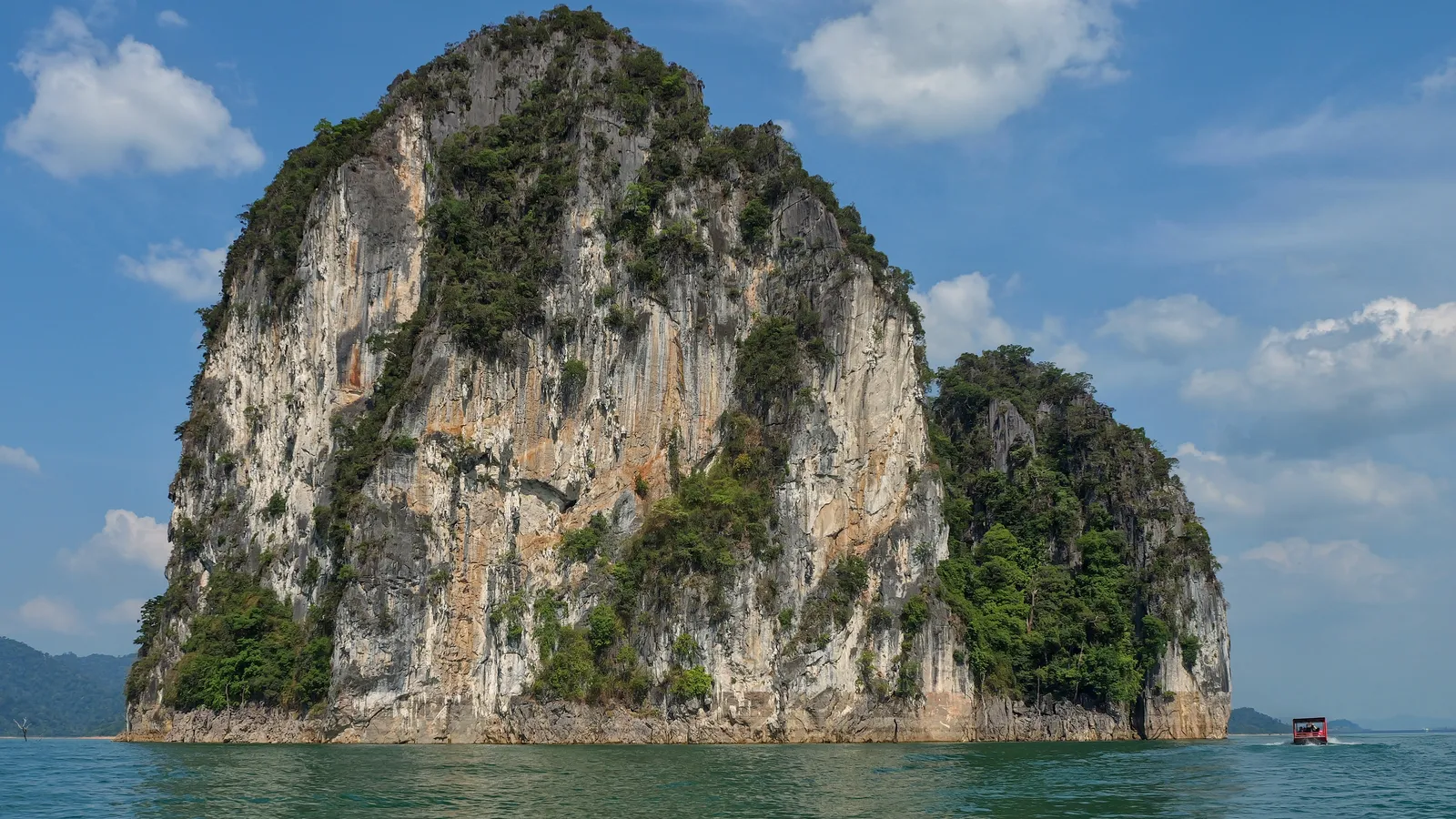
Emerald water walled by 900-metre limestone cliffs — Thailand's answer to Guilin. Longtail boats glide between drowned forests; the classic trip is one night in a floating raft house.

A 160-million-year-old rainforest of gibbons, hornbills and (if you're lucky in season) the giant Rafflesia flower. Guided jungle treks and river-tube floats leave from Khlong Sok village.

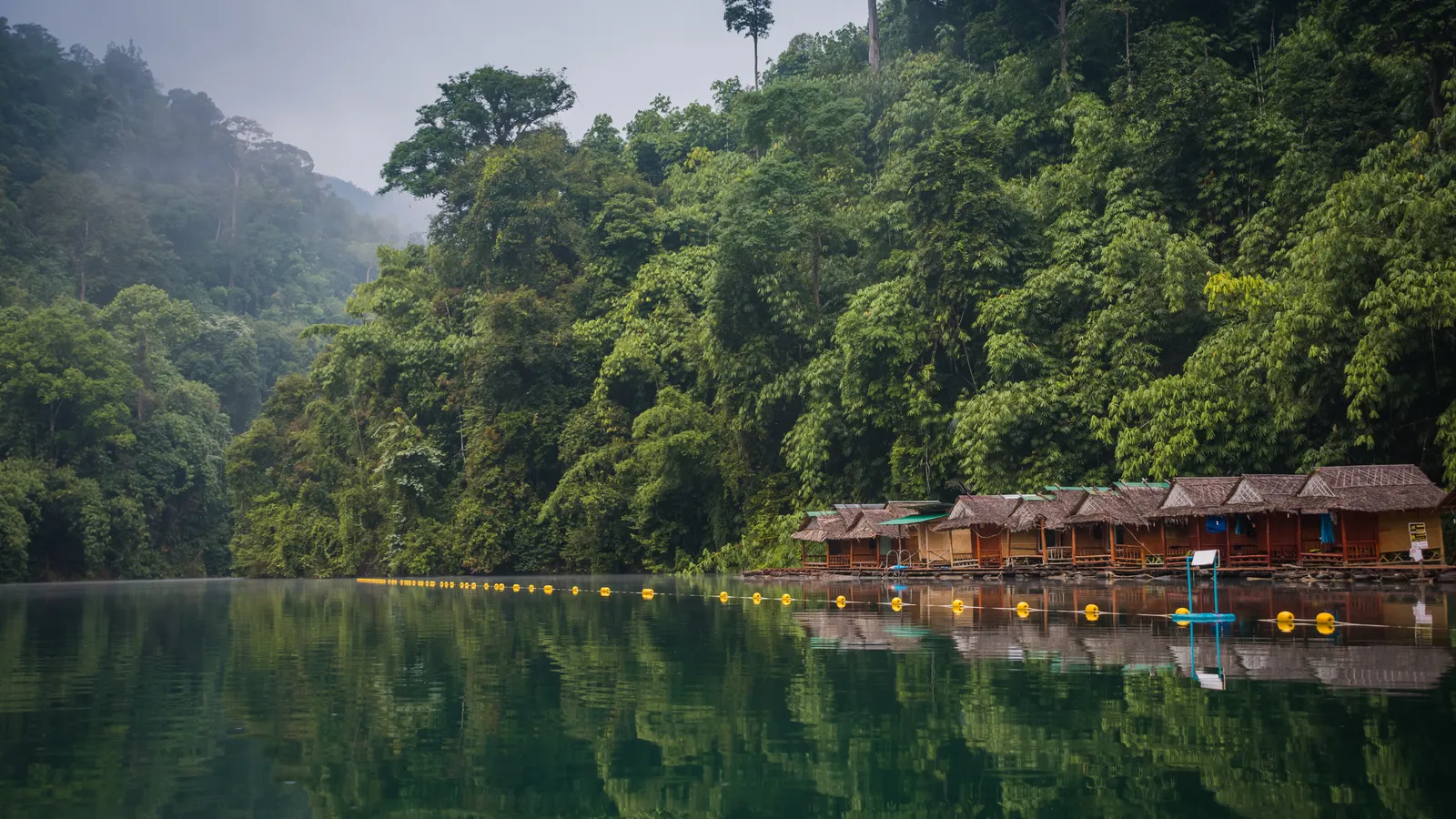
Dawn on Cheow Lan is the reason to stay overnight: mist on the water, gibbon song from the cliffs, and coffee on your raft-house deck before the day boats arrive.

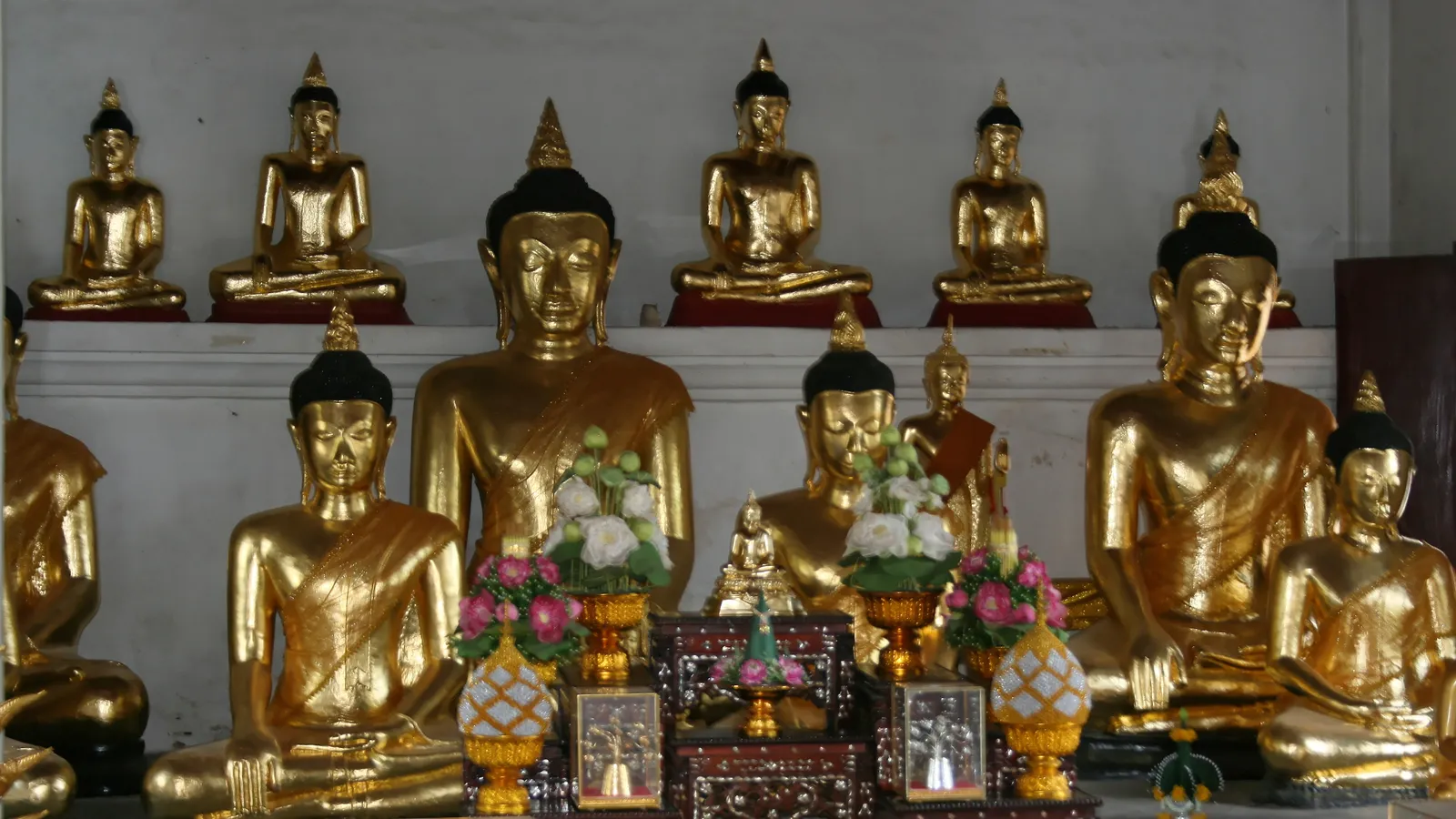
North of the city, sleepy Chaiya was a capital of the Srivijaya empire. Wat Phra Borommathat's chedi has been rebuilt in the same style for some 1,200 years.

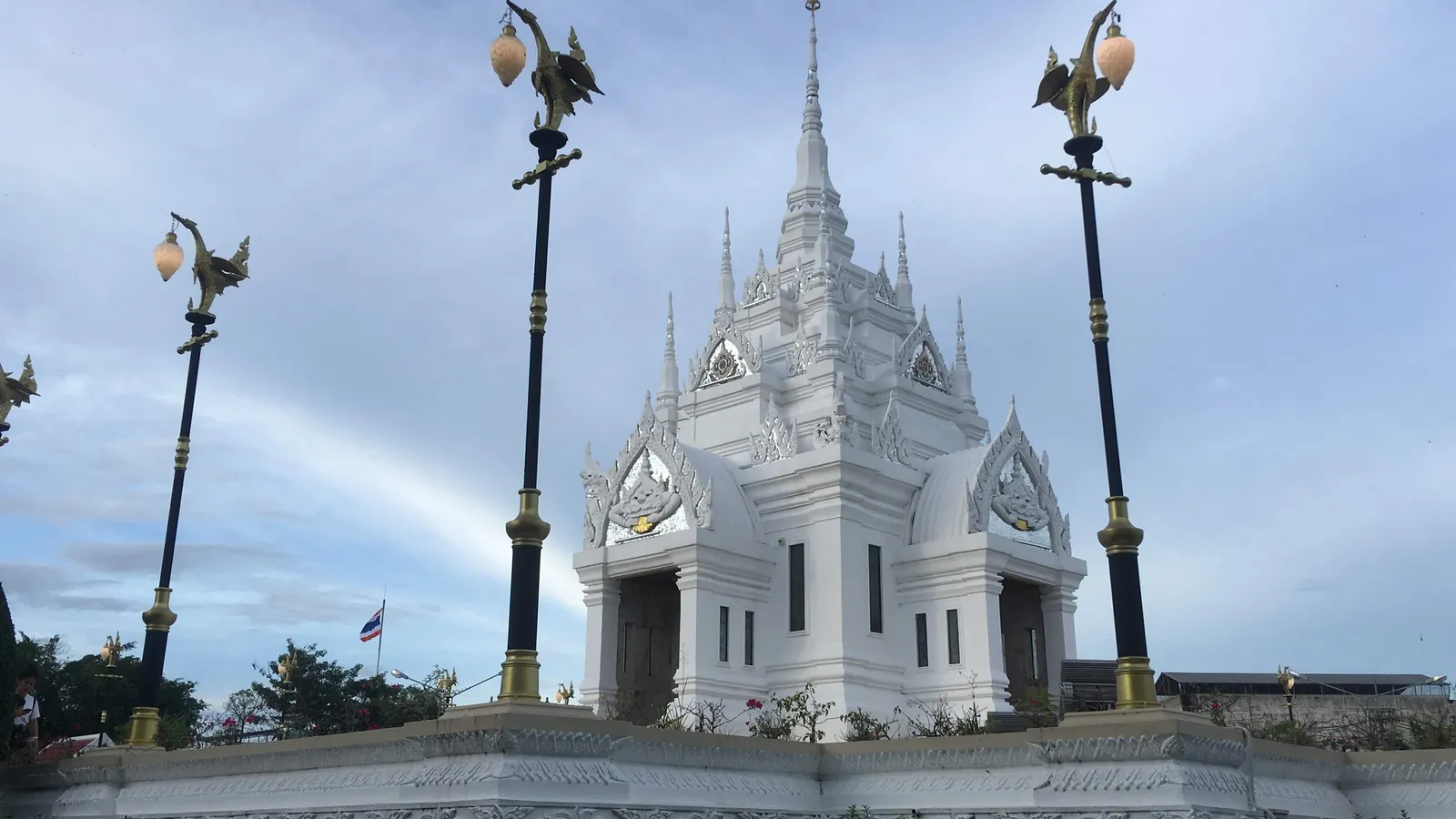
Surat's gleaming white-and-gold city pillar shrine anchors a pleasant riverside town — morning markets, boat noodles and barely another tourist in sight.

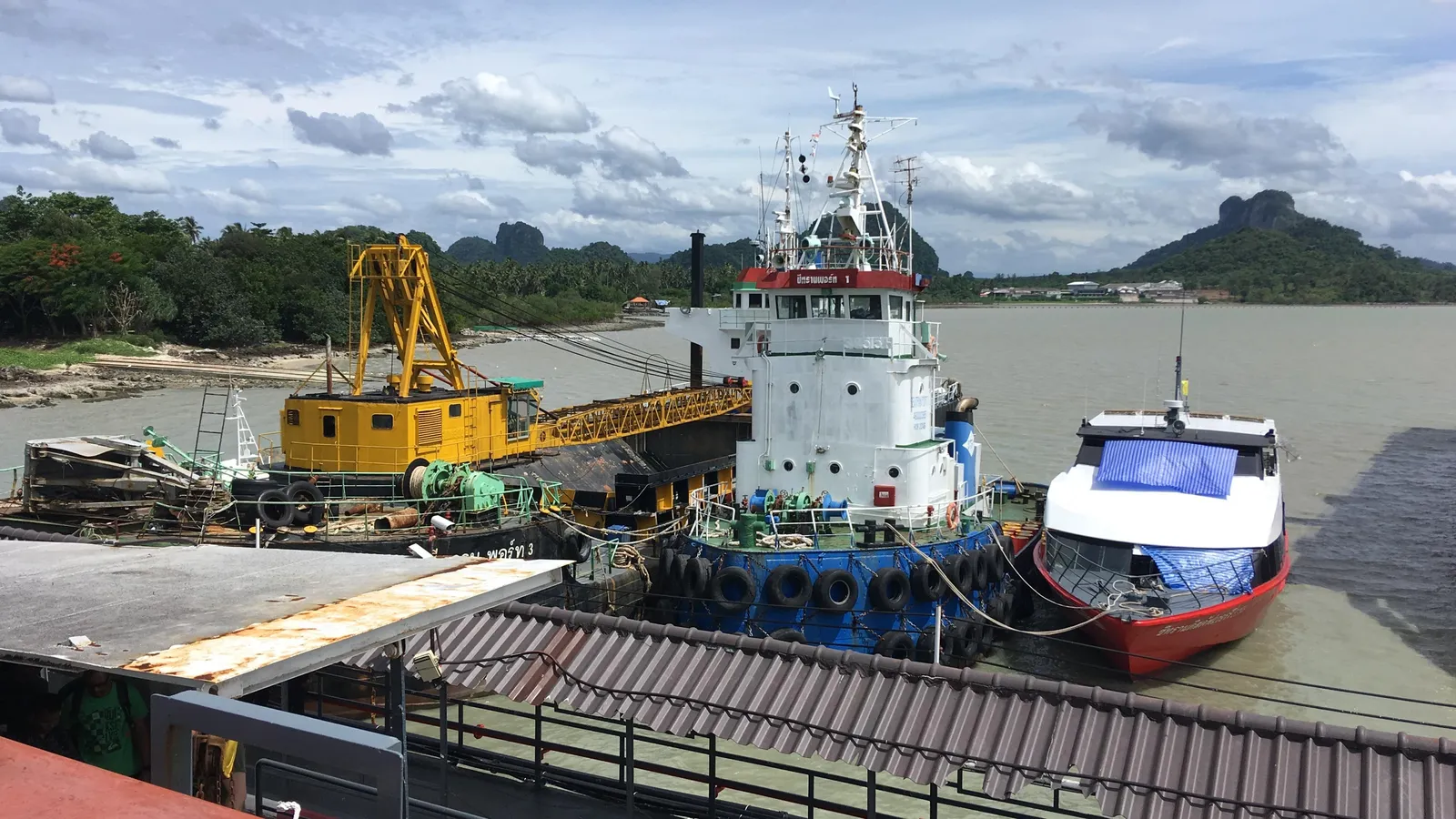
The province's pier at Donsak sends car ferries and catamarans to Samui and Phangan all day — the workmanlike start of every island holiday from this coast.
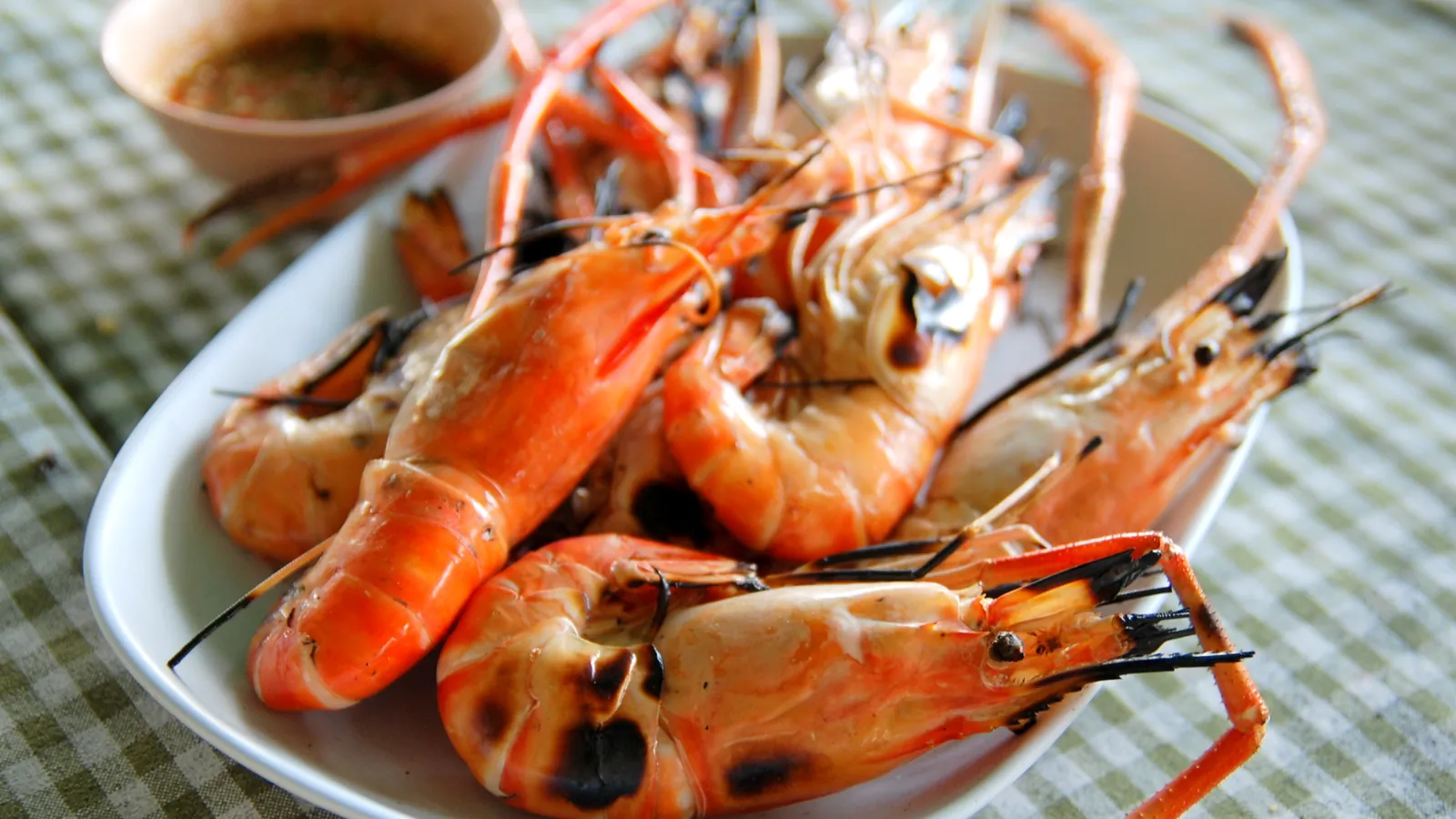
Surat Thani is a proper southern Thai food town: fierce yellow crab curries, turmeric-fried chicken, oysters from the Tapi estuary that Thais drive hours for, and khanom jeen noodles under mountains of herbs at the morning markets.
This is also salted-egg country — Chaiya's are considered Thailand's best — and the province's rambutan, from Ban Na San, has its own festival every August.

The San Chao night market by the pier fills every evening with southern grills, seafood, sweets and juice stalls — dinner here, watching the Tapi river traffic, is the best introduction to the city.
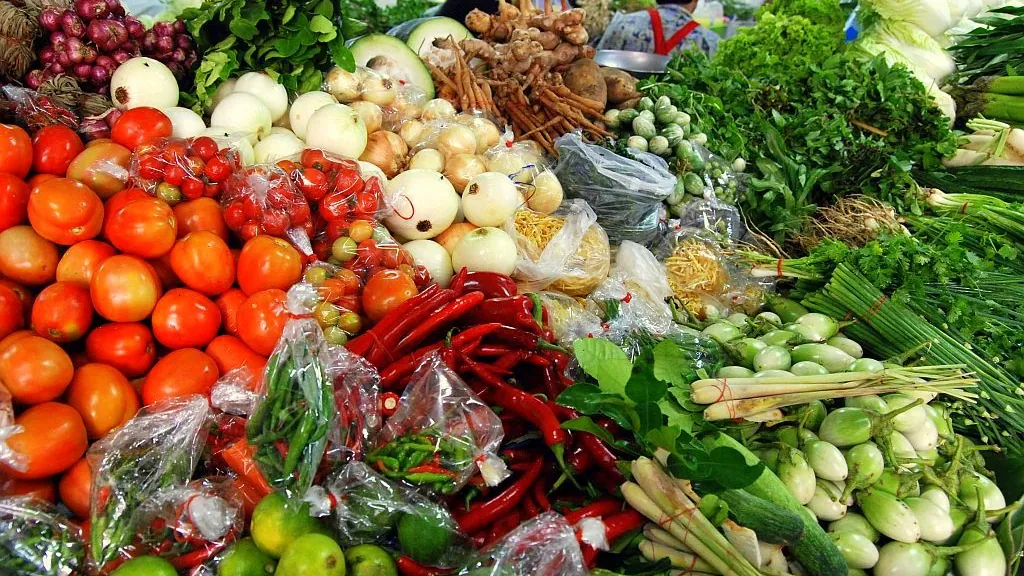
Saturday brings a walking street through the old Chinese quarter, and the fresh morning market shows off the province's produce: oysters, sea grapes, wing beans and pyramids of rambutan in season.

Split your nights: the city for markets and transit, the jungle for everything else.
Floating bungalows on the lake, from basic park rafts to comfortable eco-lodges — falling asleep to jungle sounds on the water is the province's essential experience.
Jungle lodges and treehouses cluster at the Khao Sok park entrance, handy for treks, tubing and onward minivans to the lake.
Simple, good-value business hotels near the night market and pier work perfectly for a market evening before an early ferry or train.
Step-by-step transport guides for this stretch of the Gulf coast.