Palm-fringed beaches, the golden Big Buddha and grown-up island comfort — the Gulf's holiday island, reached by train and ferry from Ban Krut.
Find a room before you go.
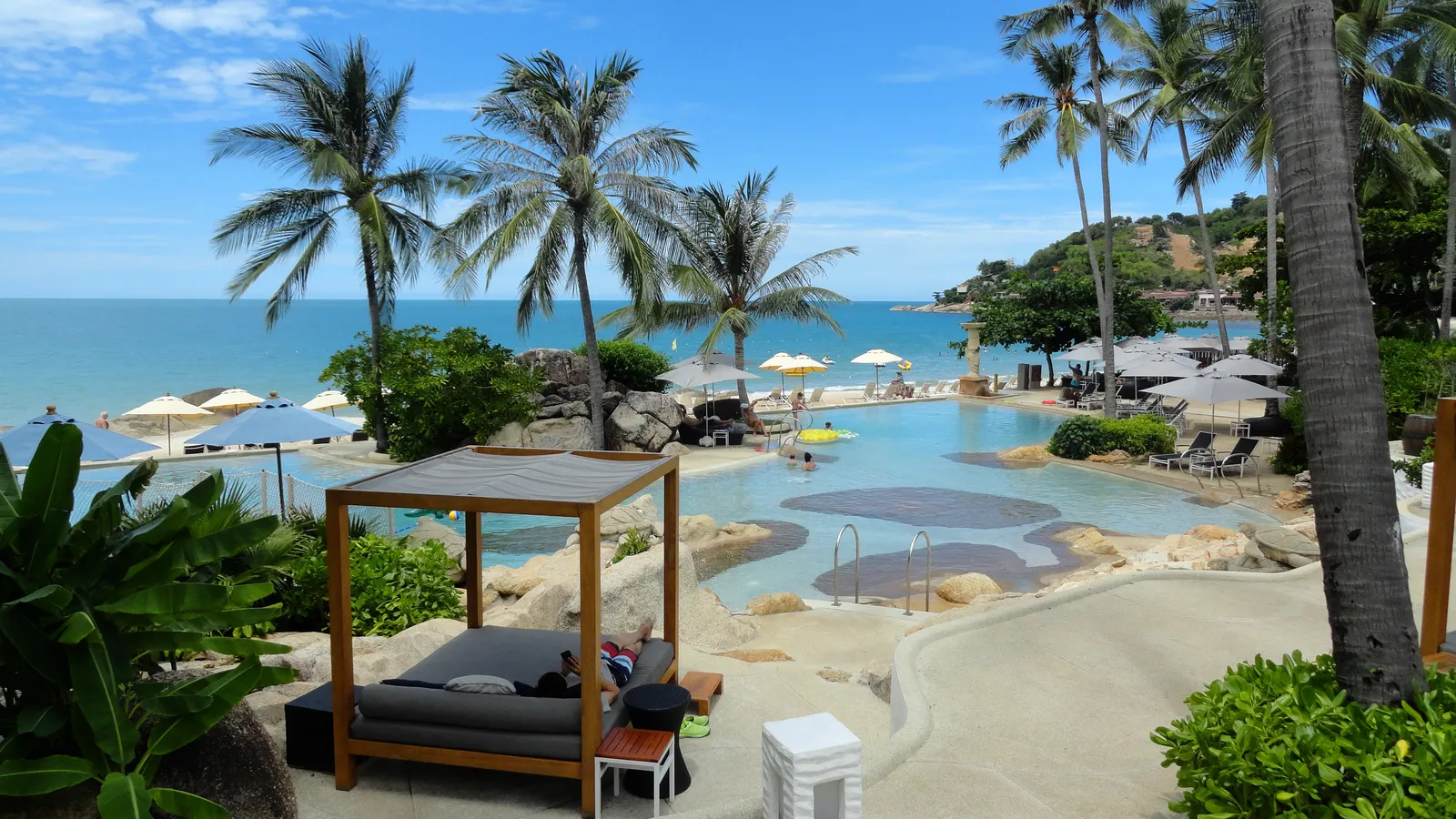
Koh Samui is the biggest and most comfortable of the Gulf islands — an international resort island with its own airport, a 50-kilometre ring road, and beaches for every taste: lively Chaweng, mellow Lamai, boutique Bophut and the quiet coves of the south and west.
It's still recognisably the coconut island it was before tourism: inland the jungle climbs to waterfalls and grandmother-and-grandfather rocks, and the old Hainanese shophouses of Fisherman's Village now hold some of the island's best restaurants.
Affiliate link. If you book through it we earn a commission, at no extra cost to you.

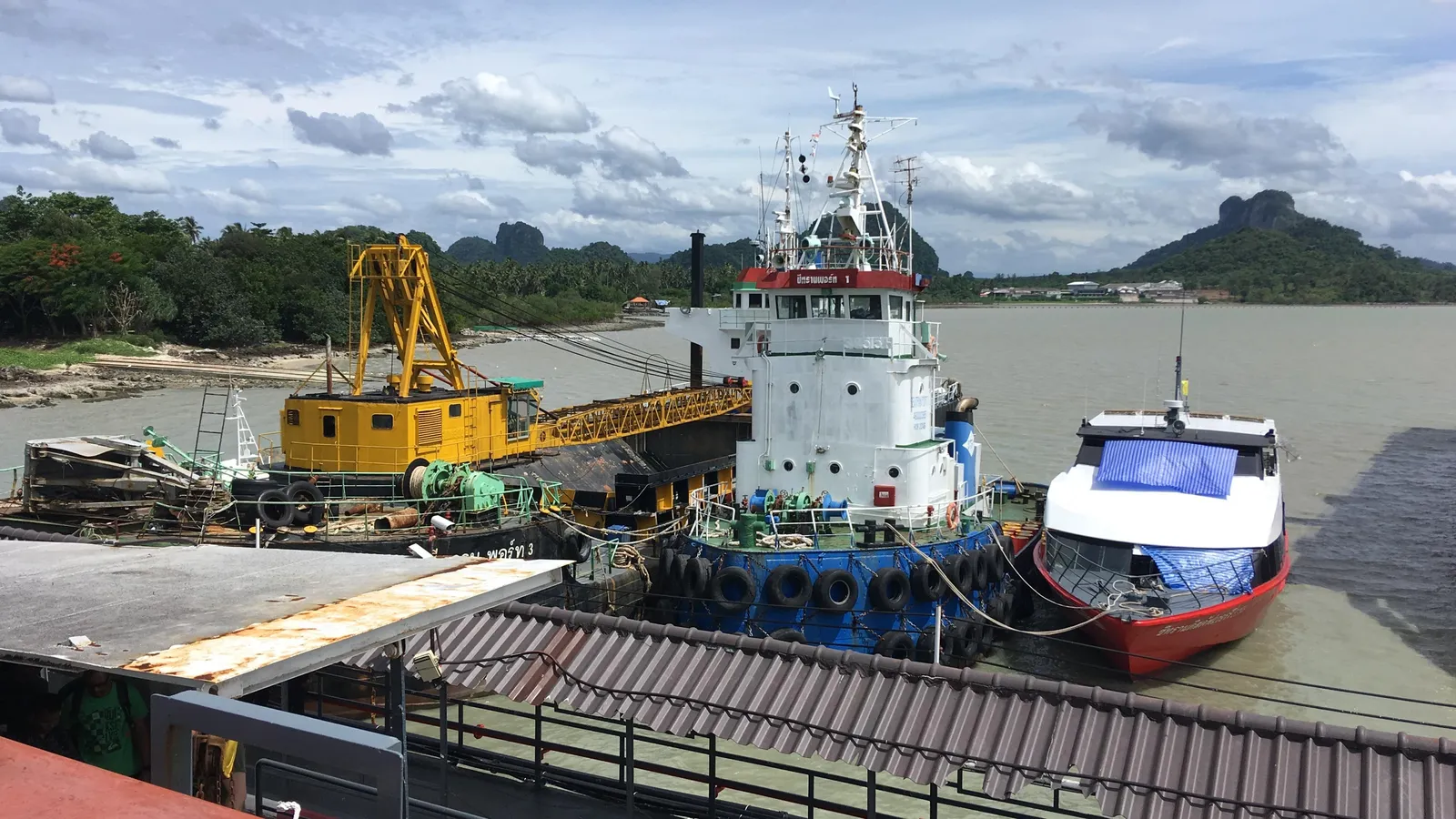
From Ban Krut you connect by train south to either Chumphon or Surat Thani. From Chumphon, Lomprayah high-speed catamarans island-hop via Koh Tao and Koh Phangan to Samui. From Surat Thani, ferries leave from Donsak pier — buy a combined bus-and-ferry ticket in town or at the station.
The Chumphon route is the scenic island-hopper (about 2 hours by train + 3½–4 hours by boat). The Surat Thani route has more departures and works better with the sleeper trains.
Ferries also carry cars from Donsak if you're driving. Flying is possible via Bangkok or Surat Thani airport plus ferry.

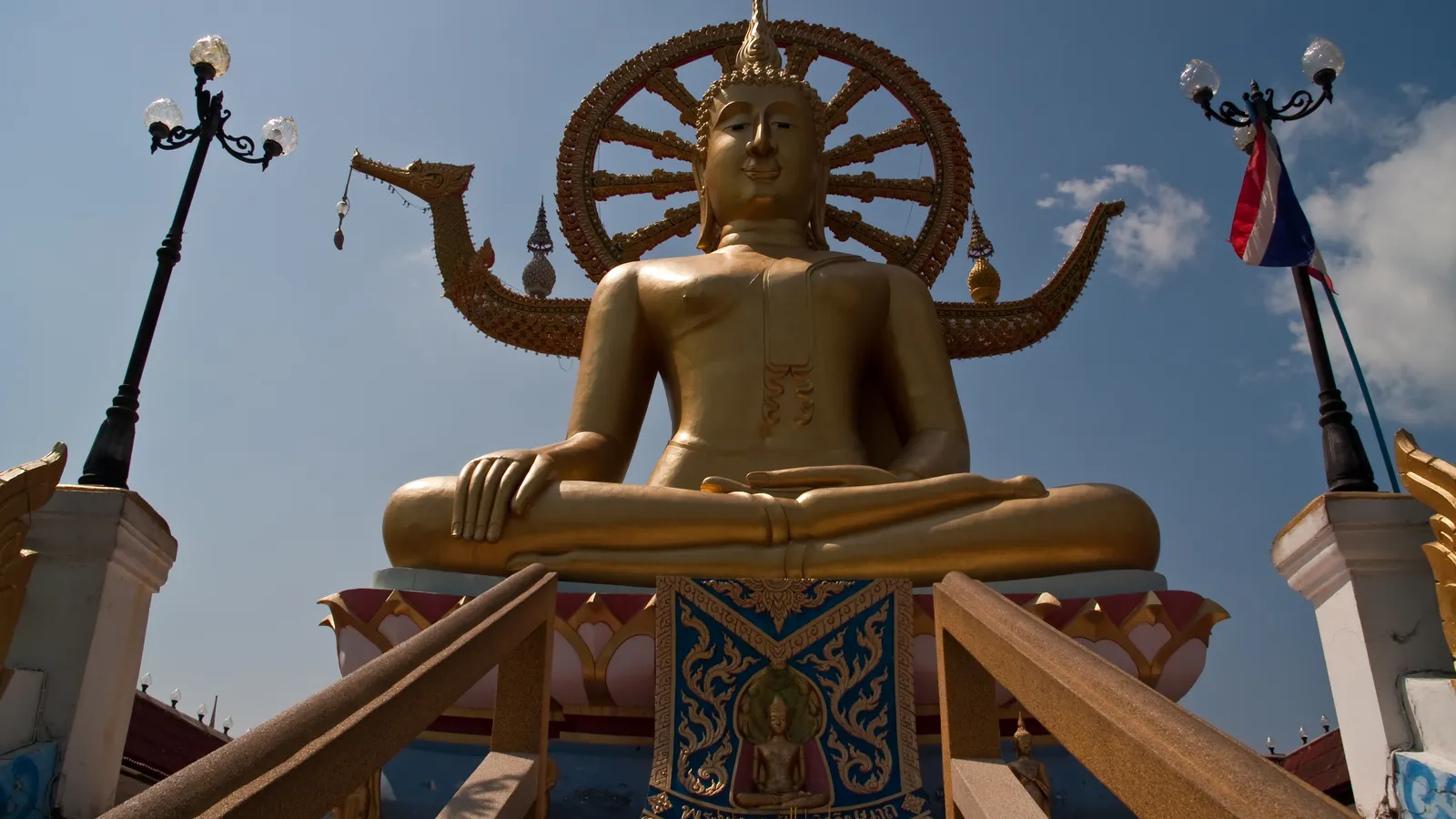
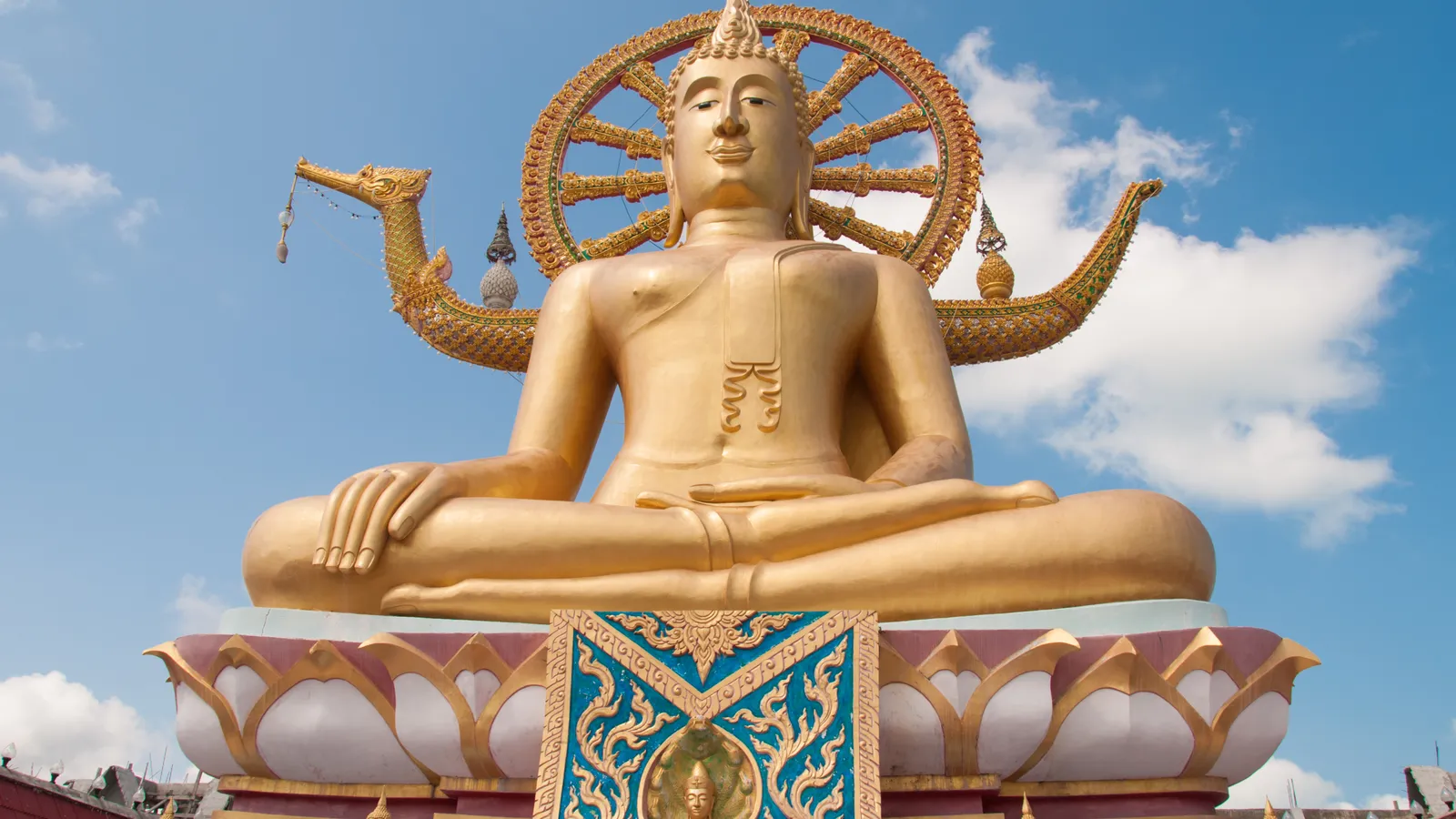
Samui's 12-metre golden Buddha has watched over the north coast since 1972. Climb the naga staircase at sunset when the statue glows and the airport's planes drift past.

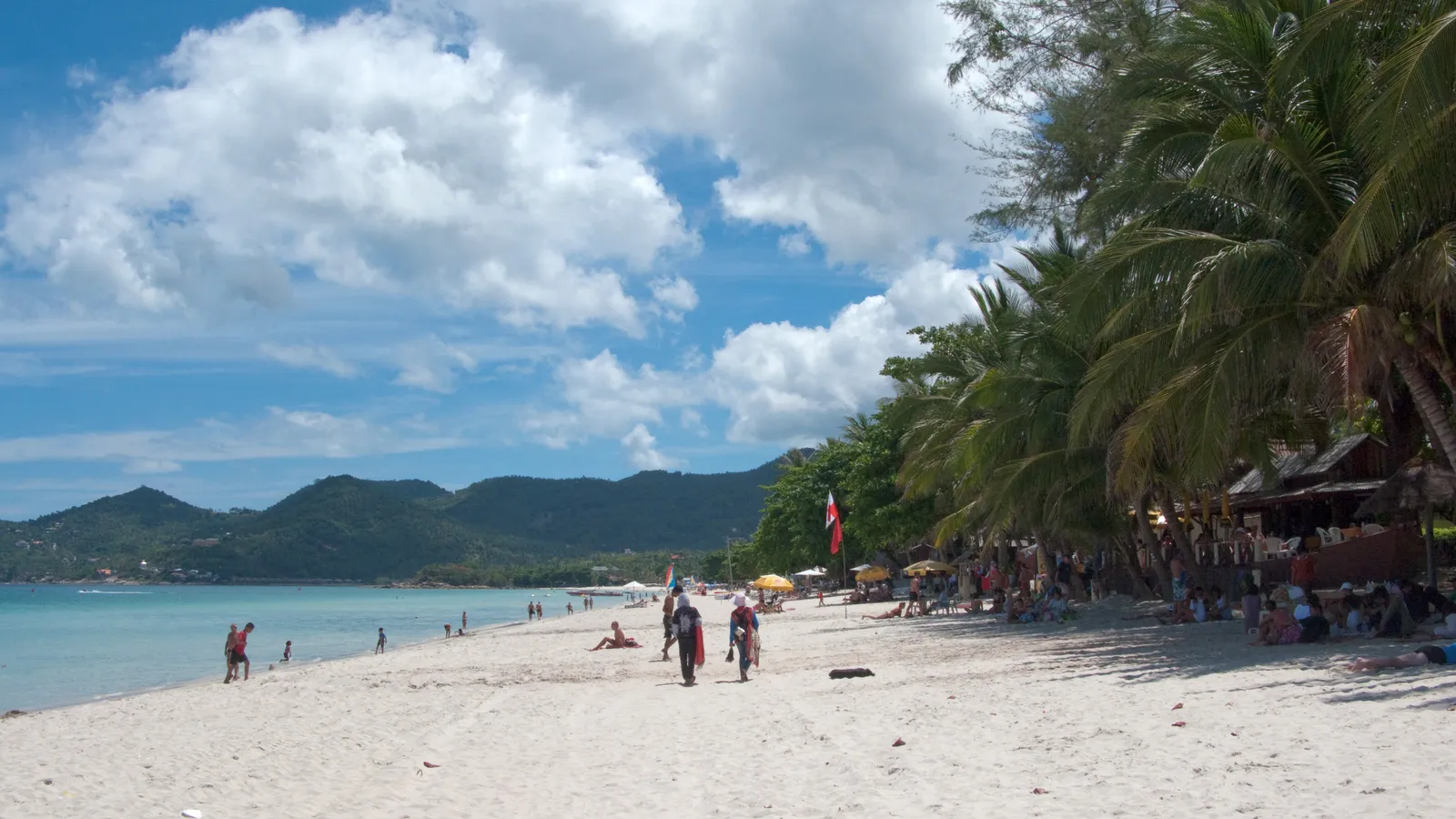
Six kilometres of powder sand with everything from beach bars to luxury resorts. Chaweng Noi, over the headland, is the quieter, prettier little sister.

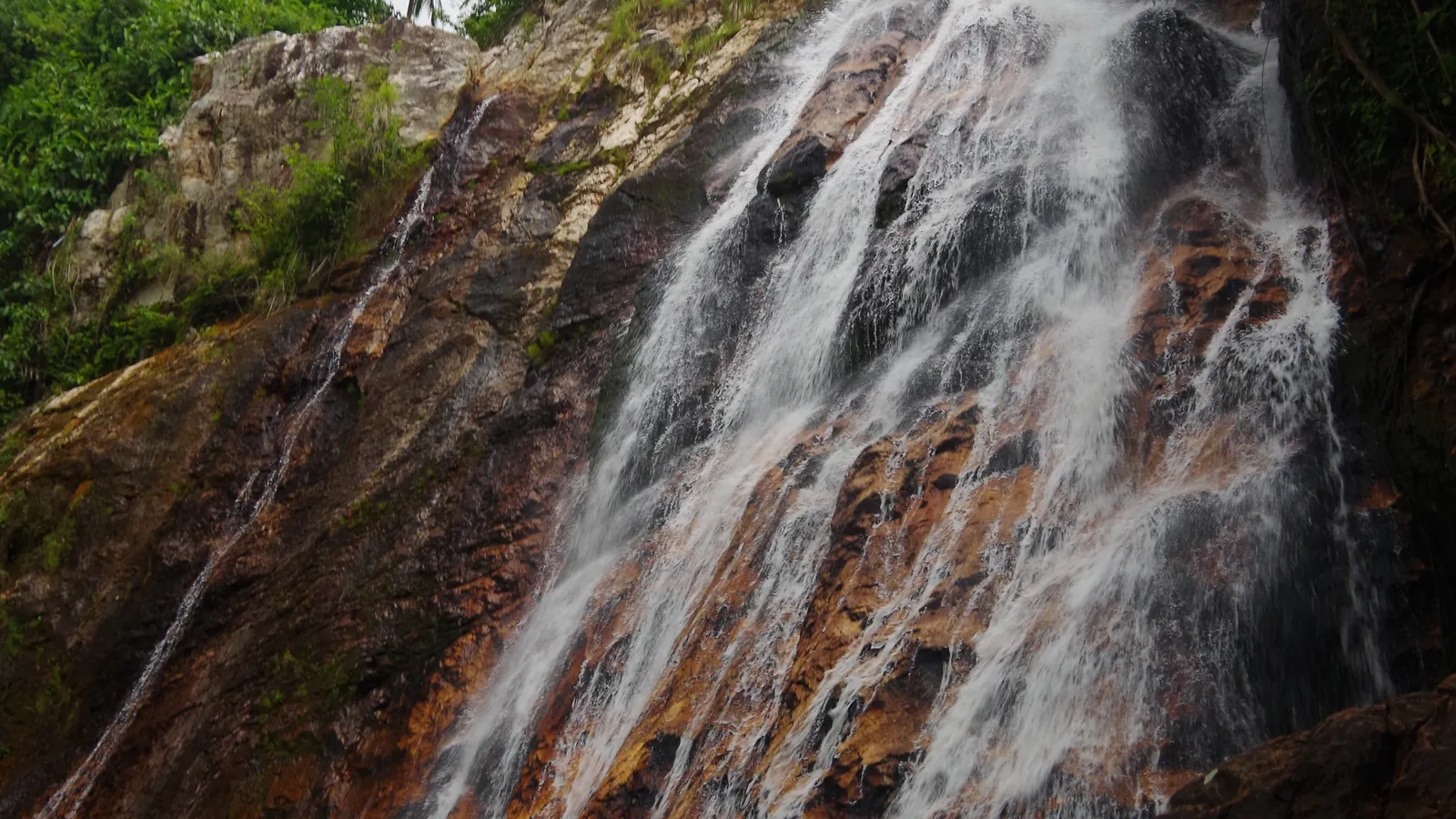
Two purple-granite falls in the jungle interior — Na Muang 2 is a short sweaty climb rewarded with a natural pool deep enough to swim.

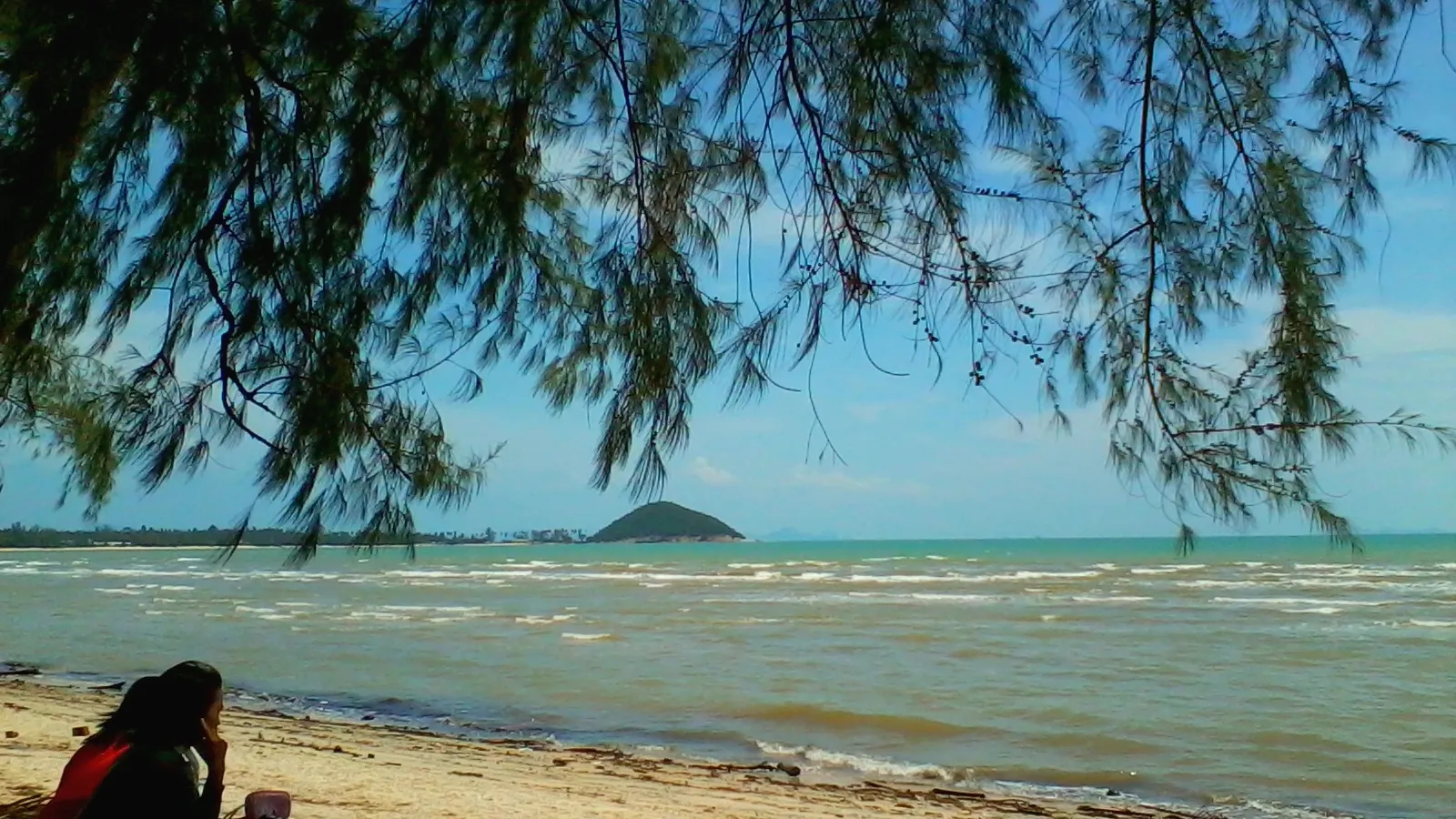
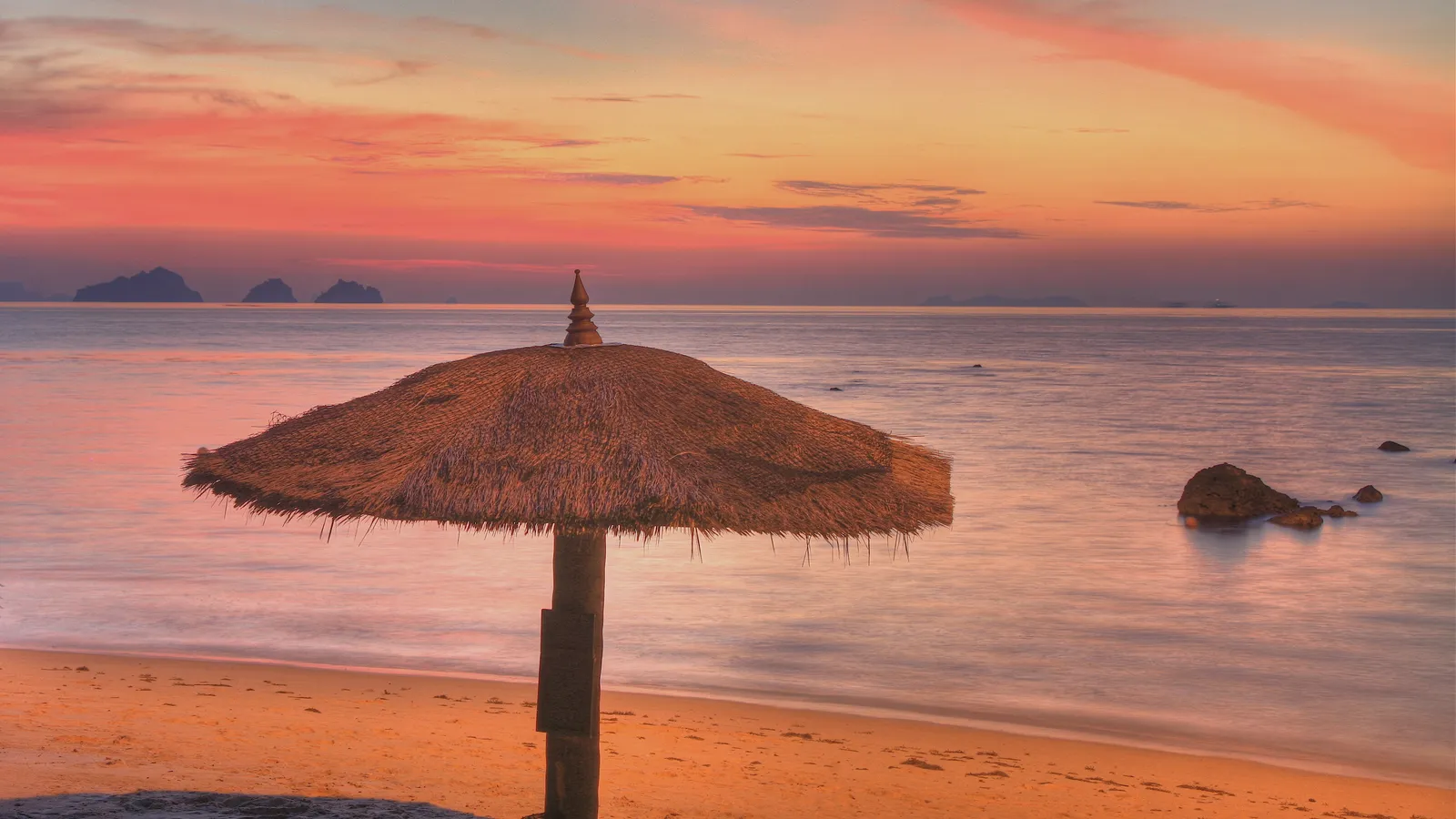
The west coast keeps the Samui of twenty years ago: shallow, glass-clear water, sunset views over the Five Islands and barely a beach chair in sight.

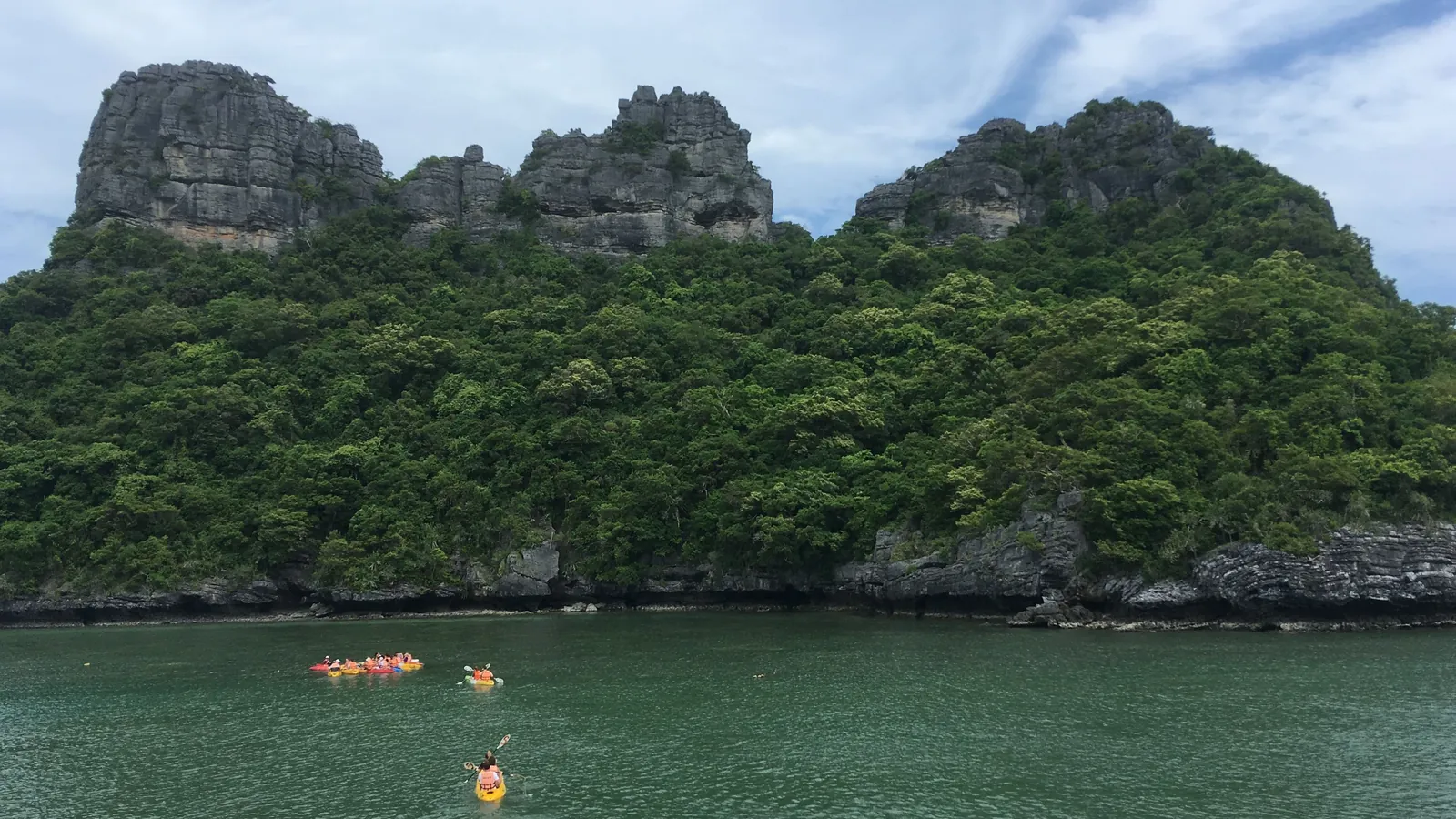
Forty-two jungle-covered islands an hour offshore — kayak through lagoons, climb to the Emerald Lake viewpoint, snorkel from the boat. Book a day tour from any beach.

Bophut's old wooden shophouses hold wine bars, seafood grills and boutiques. Come Friday evening for the walking street market, stay for the lanterns on the water.
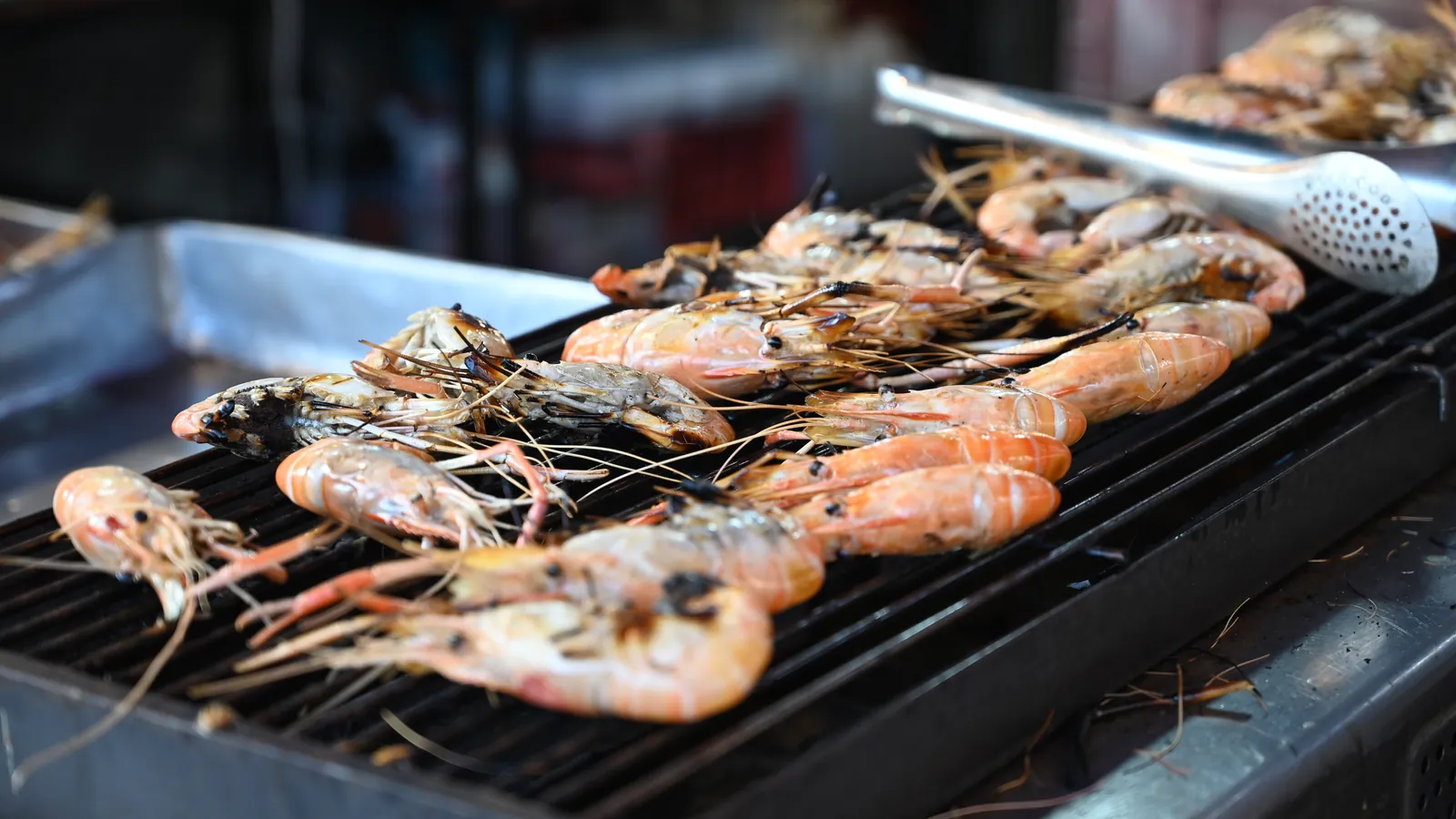
Samui's food scene runs the full range: southern Thai curries heavy with turmeric and coconut from the island's own groves, beachfront seafood barbecues where you pick your fish from the ice, and a genuinely international restaurant row in Fisherman's Village.
Don't leave without trying kua kling (dry-fried curry), sea snails with chilli dip at a local place on the ring road, and a young coconut drunk on the sand — this was Thailand's coconut capital long before it was a resort.

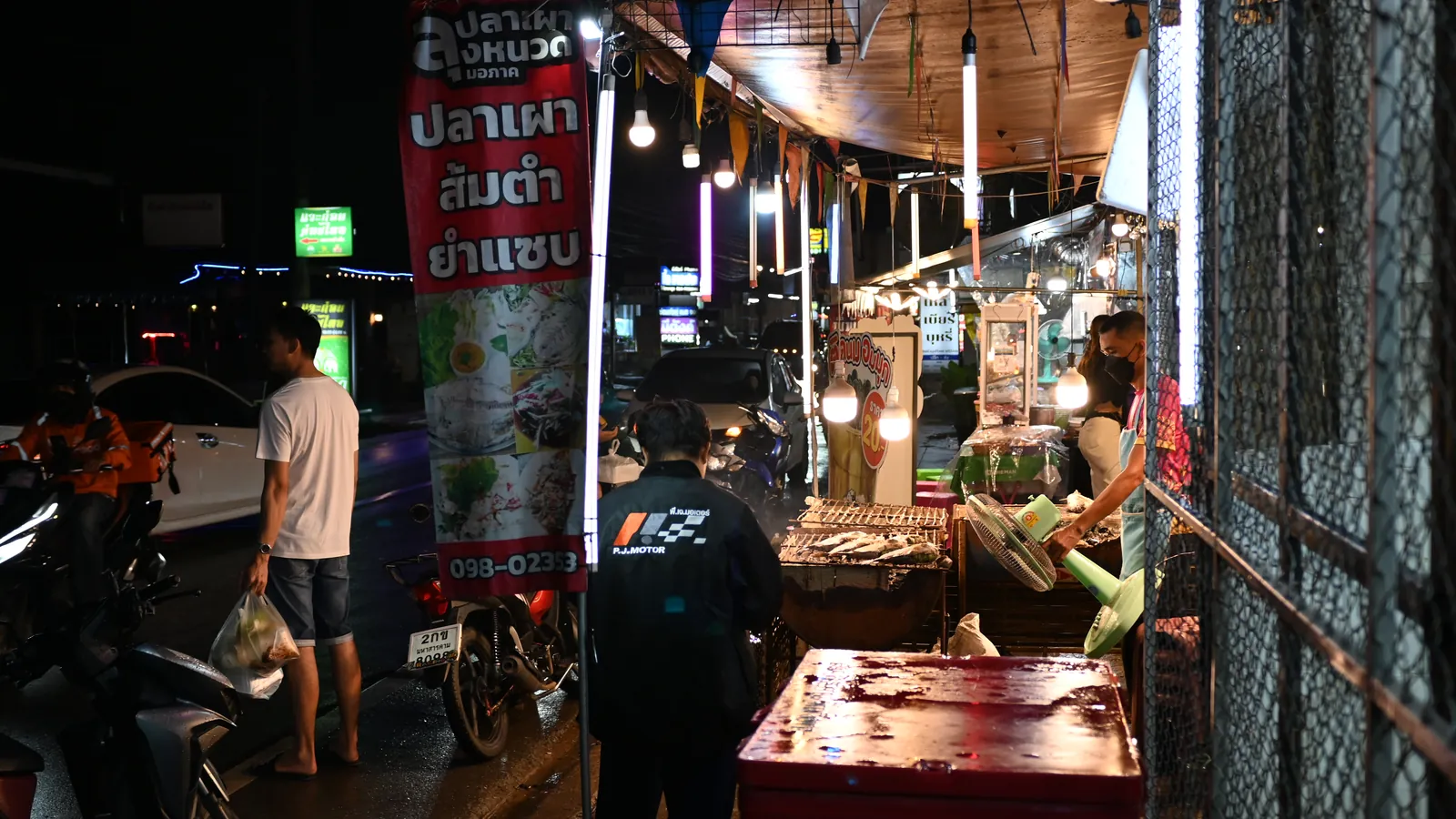
Every evening a different part of the island hosts a walking street: Fisherman's Village on Fridays is the biggest and best, Lamai runs a lively Sunday market, and Chaweng's night food parks grill seafood every night of the week.
For daytime browsing, the morning market in Nathon town shows the island's local face — southern snacks, batik, and the ferry-port bustle that tourism never quite replaced.

Pick your beach first — each coast has its own character and getting between them takes time on the ring road.
The classic east-coast strips: the longest beaches, the most restaurants and nightlife, and resorts at every price from hostel to five-star.
Fisherman's Village charm, calmer water and easy airport access — the grown-up choice, with boutique resorts between the old shophouses.
Lipa Noi, Taling Ngam and the southern capes are for peace: sunset-facing villas, empty sand and the Five Islands on the horizon.
Step-by-step transport guides for this stretch of the Gulf coast.