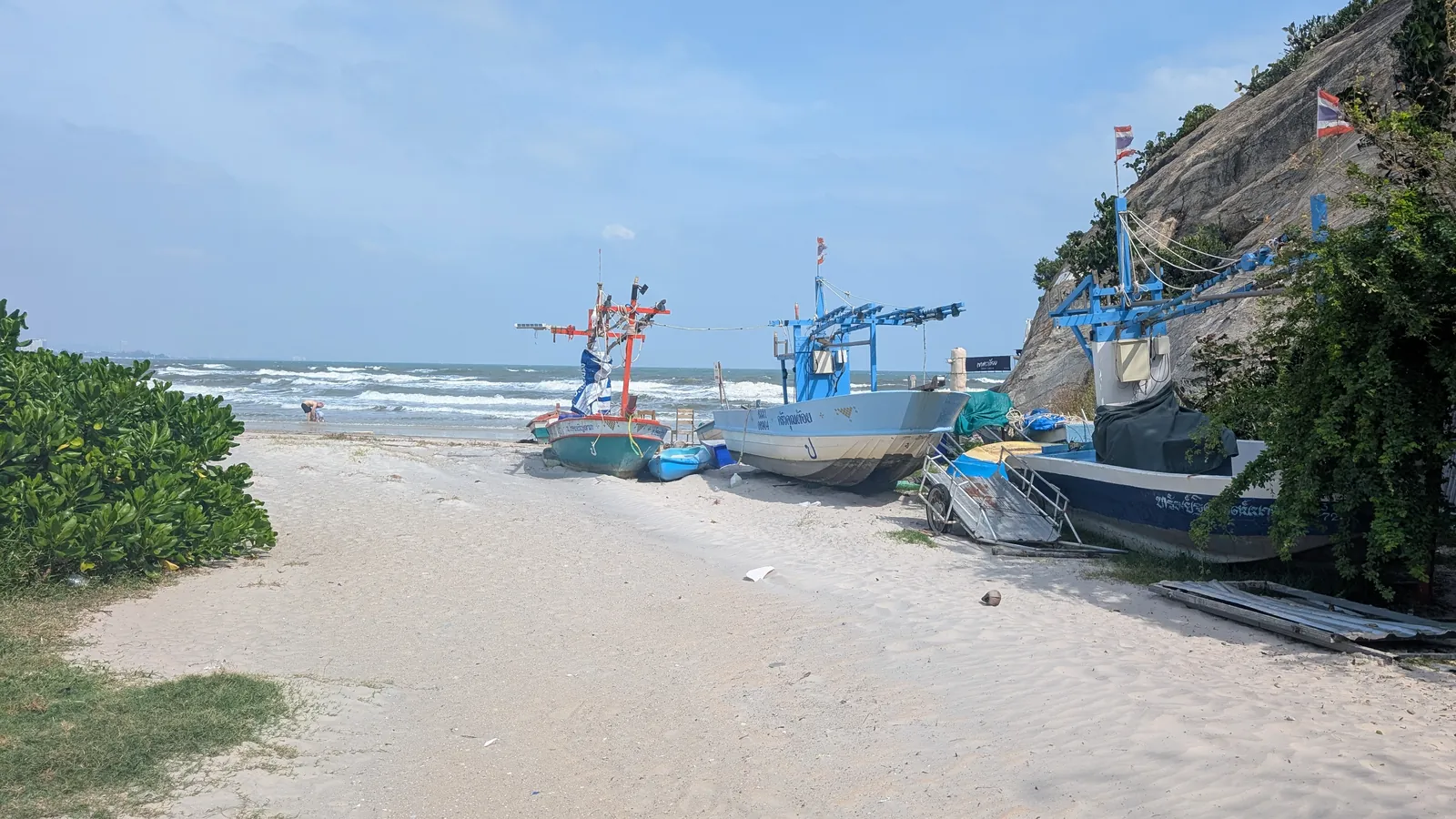
Thailand's original royal beach resort — night markets, seafood and a famous railway station, an easy train ride north of Ban Krut.
Find a room before you go.
Hua Hin became Thailand's first beach resort in the 1920s, when King Rama VII built his summer palace here — the town has been the royal family's seaside retreat ever since. Today it is a lively mid-sized city with a long sandy beach, a compact old quarter built around the fishing pier, and some of the best night markets on the Gulf coast.
For anyone staying in Ban Krut, Hua Hin is the natural big-town excursion: two to three hours north by train or car. People go for the shopping, the international restaurants, the hospitals and the cinemas — everything the quiet coast further south deliberately doesn't have.
Affiliate link. If you book through it we earn a commission, at no extra cost to you.

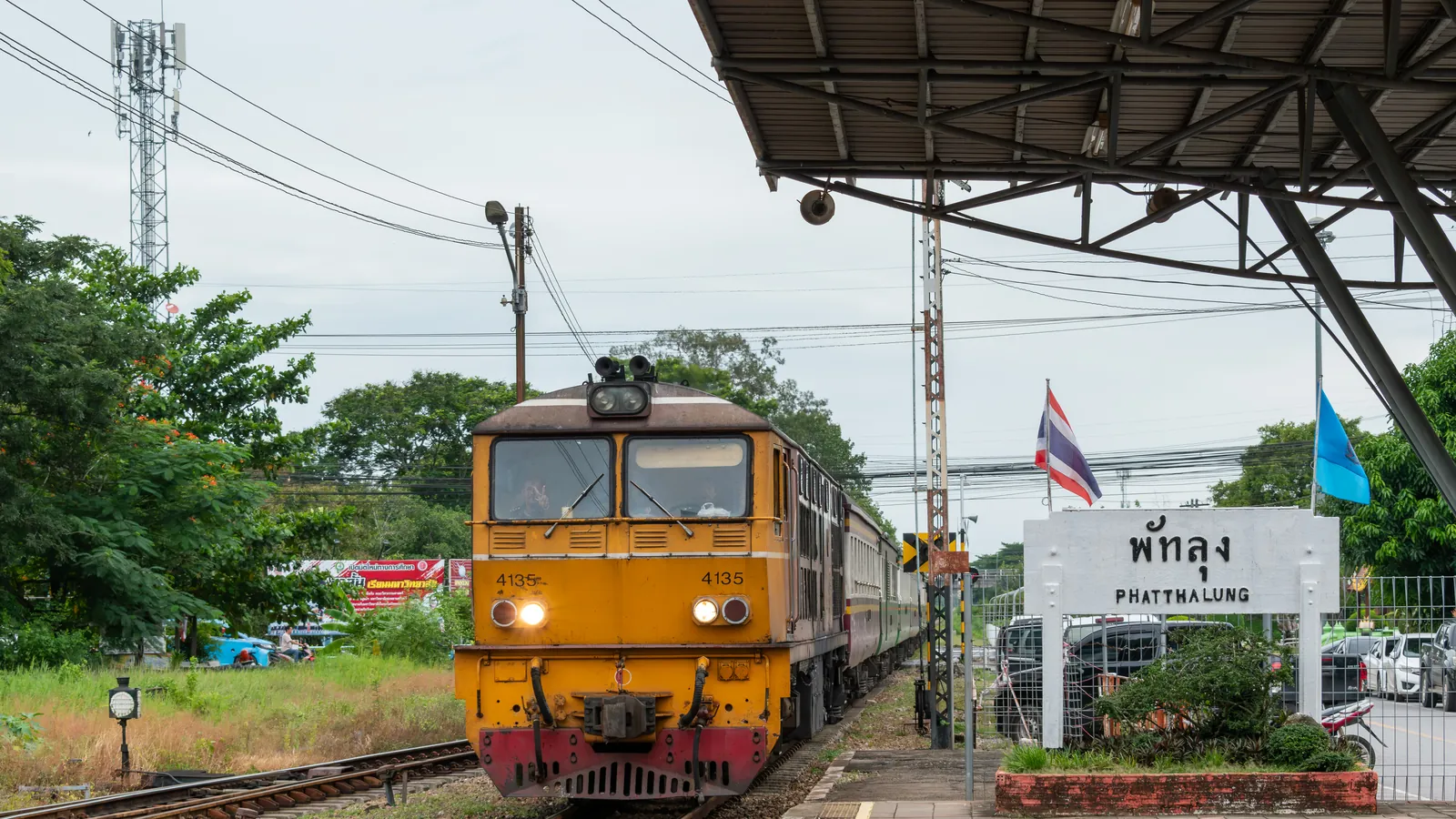
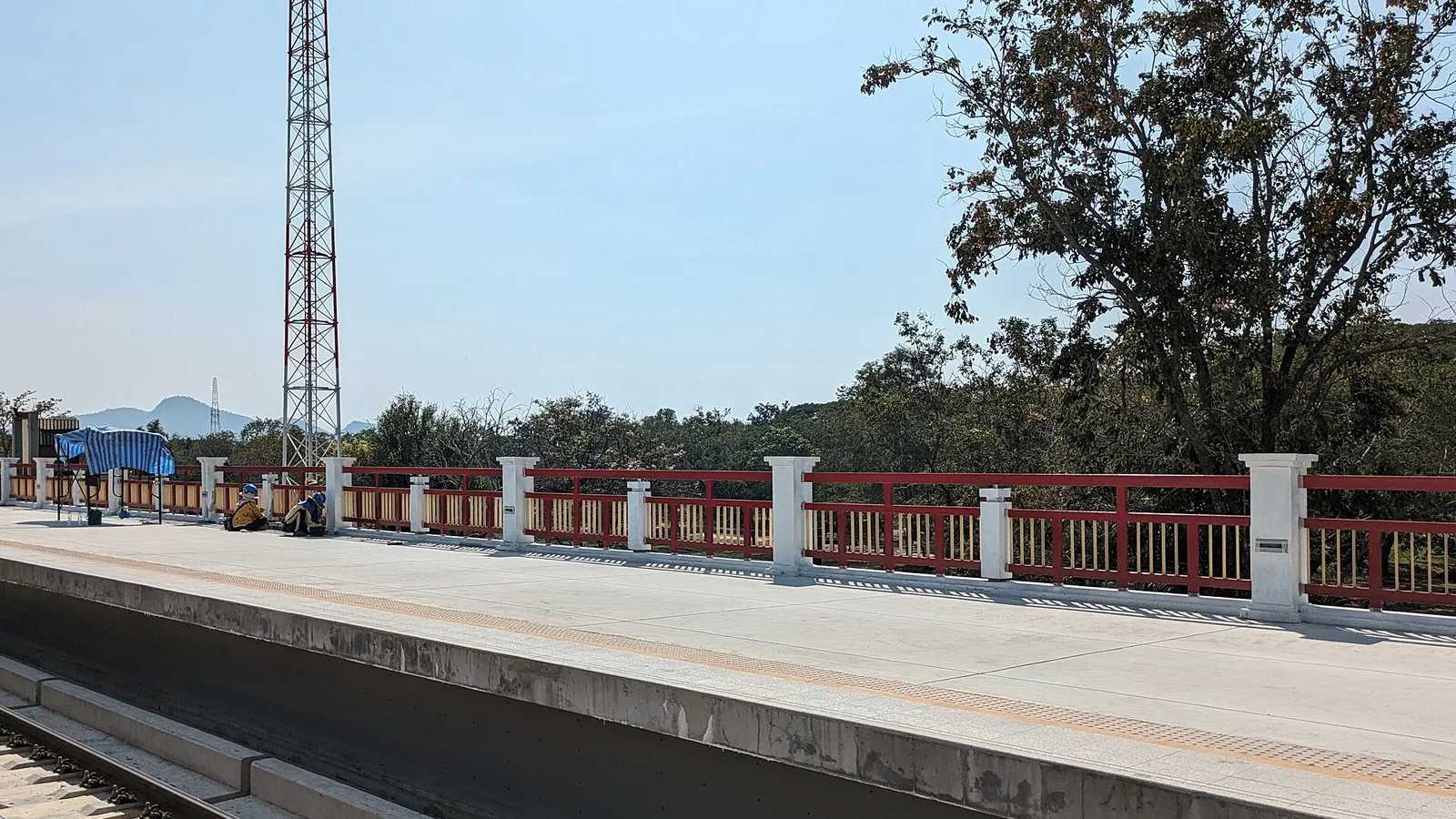
The train is the classic way to arrive. All northbound trains from Ban Krut stop in Hua Hin — the ride takes roughly 2½ to 3½ hours depending on the service, and the arrival itself is part of the experience: Hua Hin's wooden railway station with its royal waiting pavilion is one of the most photographed buildings in Thailand.
By car, follow Phetkasem Road (Highway 4 / AH2) straight north — around two hours' driving. Minivans and buses running the Bangkok route also pass through Hua Hin; ask to be dropped at the clock tower in the centre.
From Bangkok, Hua Hin is about 3 hours by car or minivan and 3½–4½ hours by train from Krung Thep Aphiwat terminal.

The 1920s wooden station with its red-and-cream royal waiting pavilion is Hua Hin's icon. Trains still roll through all day — come in the late afternoon when the light is best.

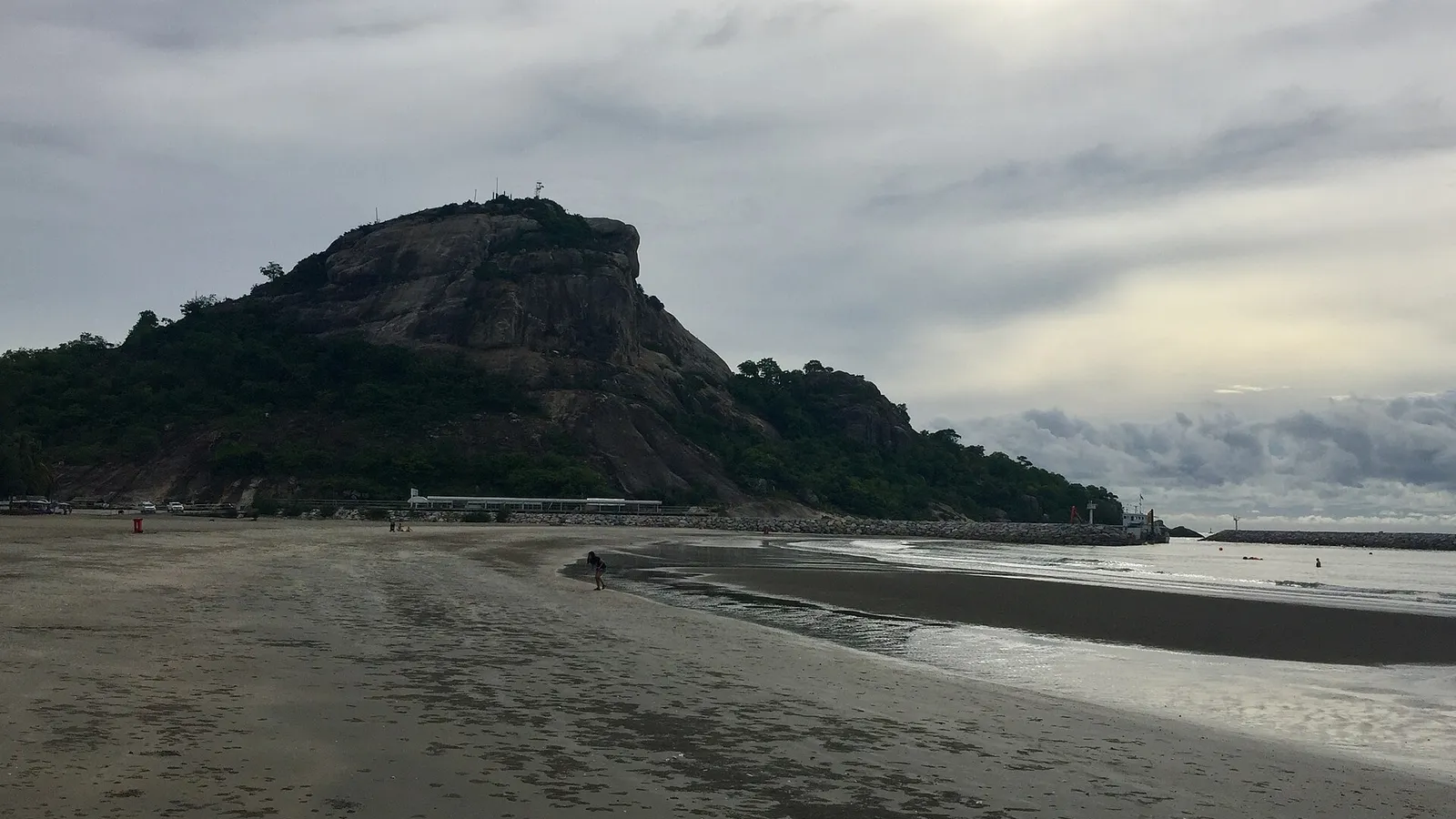
The headland at the south end of the beach has a hilltop temple, sweeping views back over the coast, and a resident troop of cheeky macaques — keep bags and sunglasses close.

Five kilometres of firm white sand with pony rides, kite surfers and beach restaurants. The nicest stretch starts just south of the Centara's gardens.

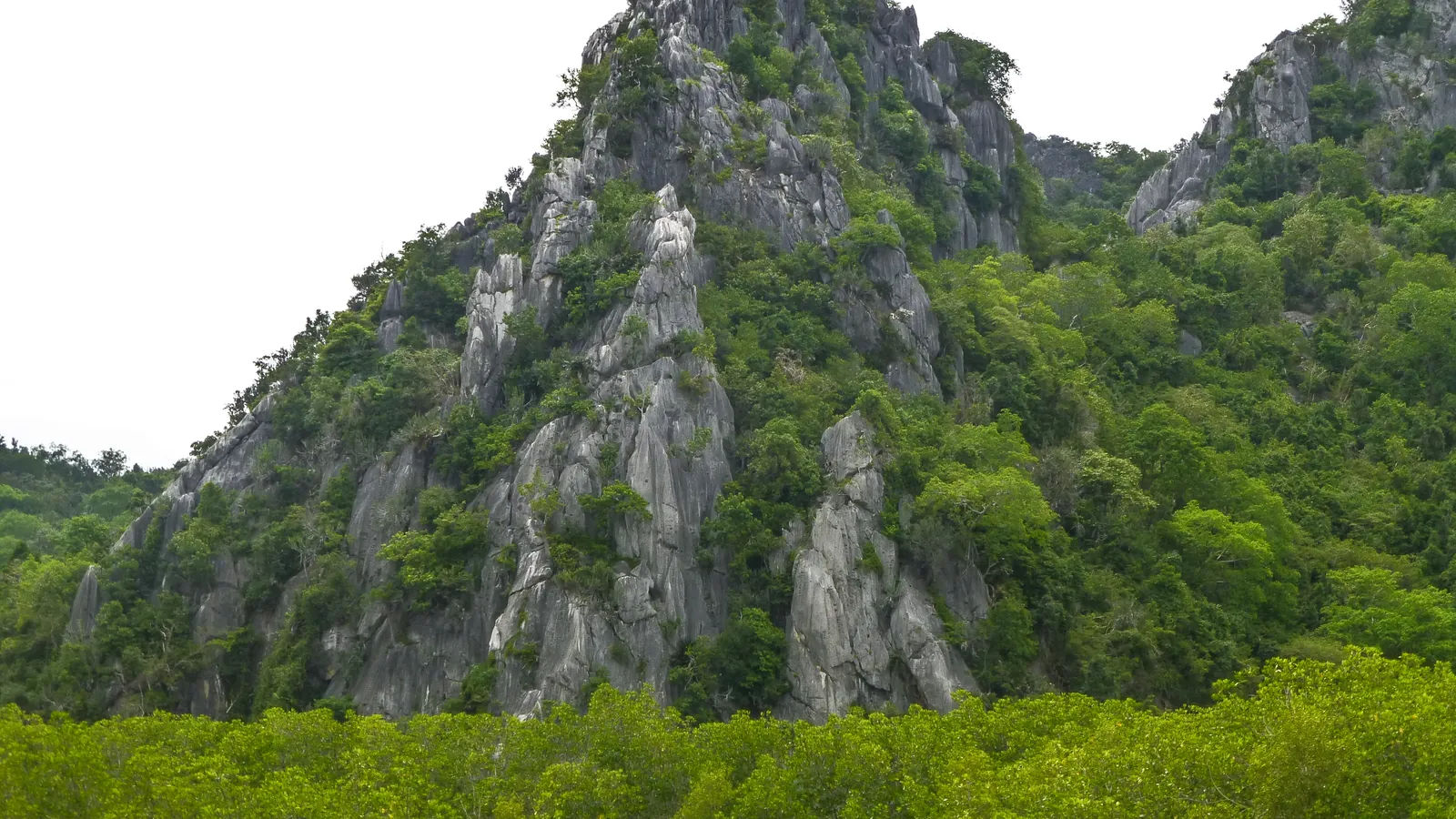
An hour south of town, this coastal national park hides the Phraya Nakhon cave with its royal pavilion lit by a sunbeam — one of Thailand's most magical sights.

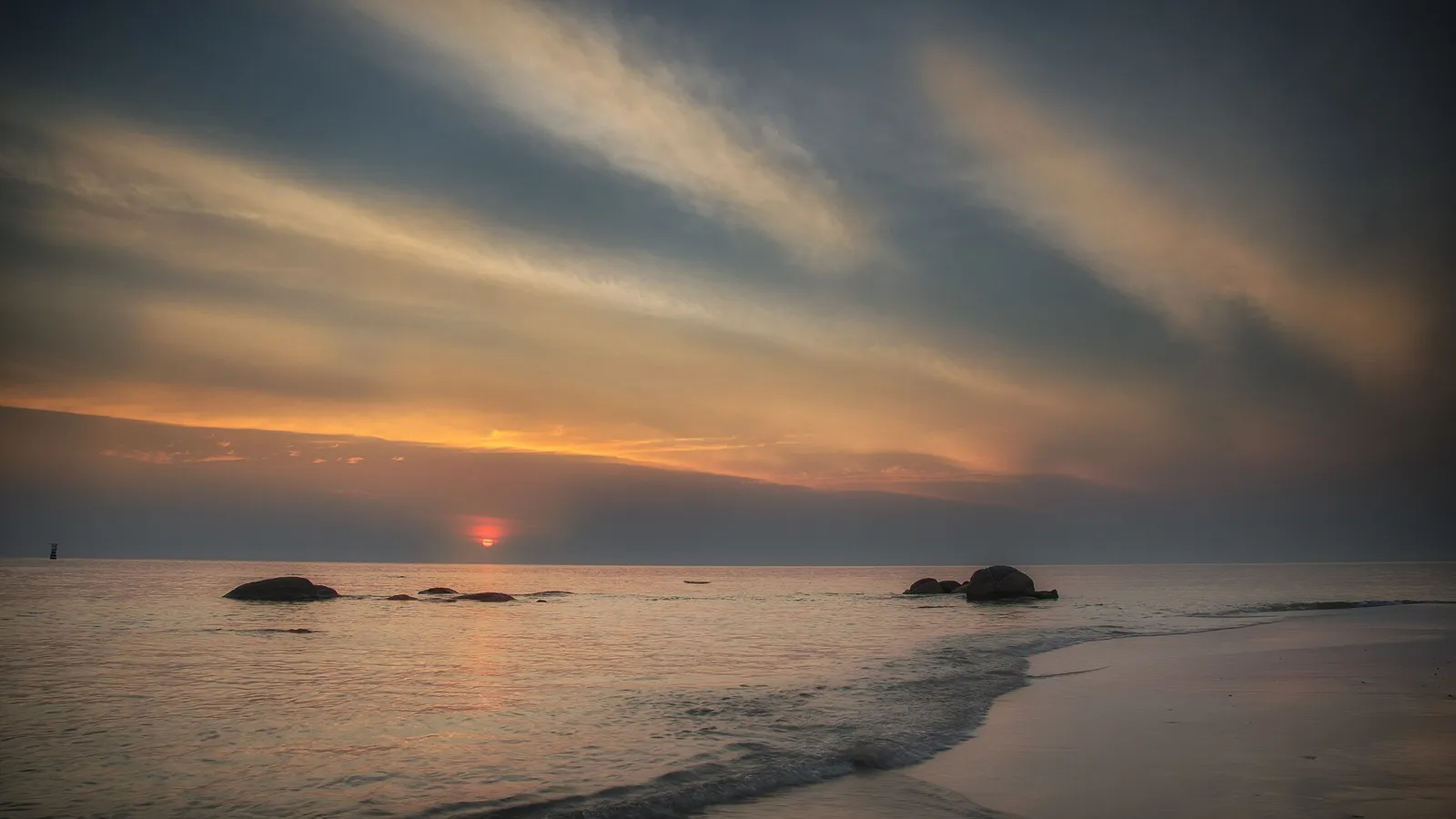
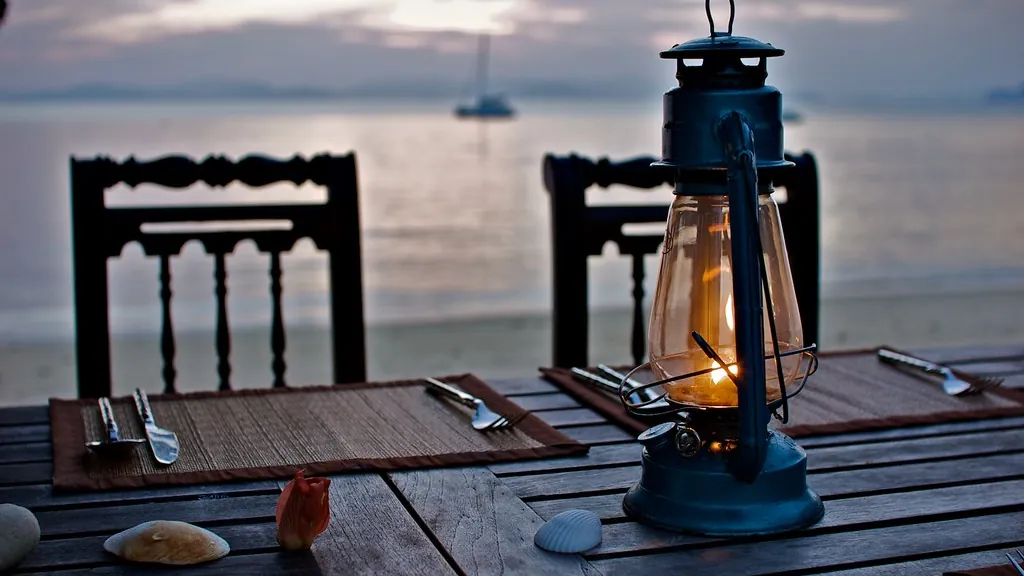
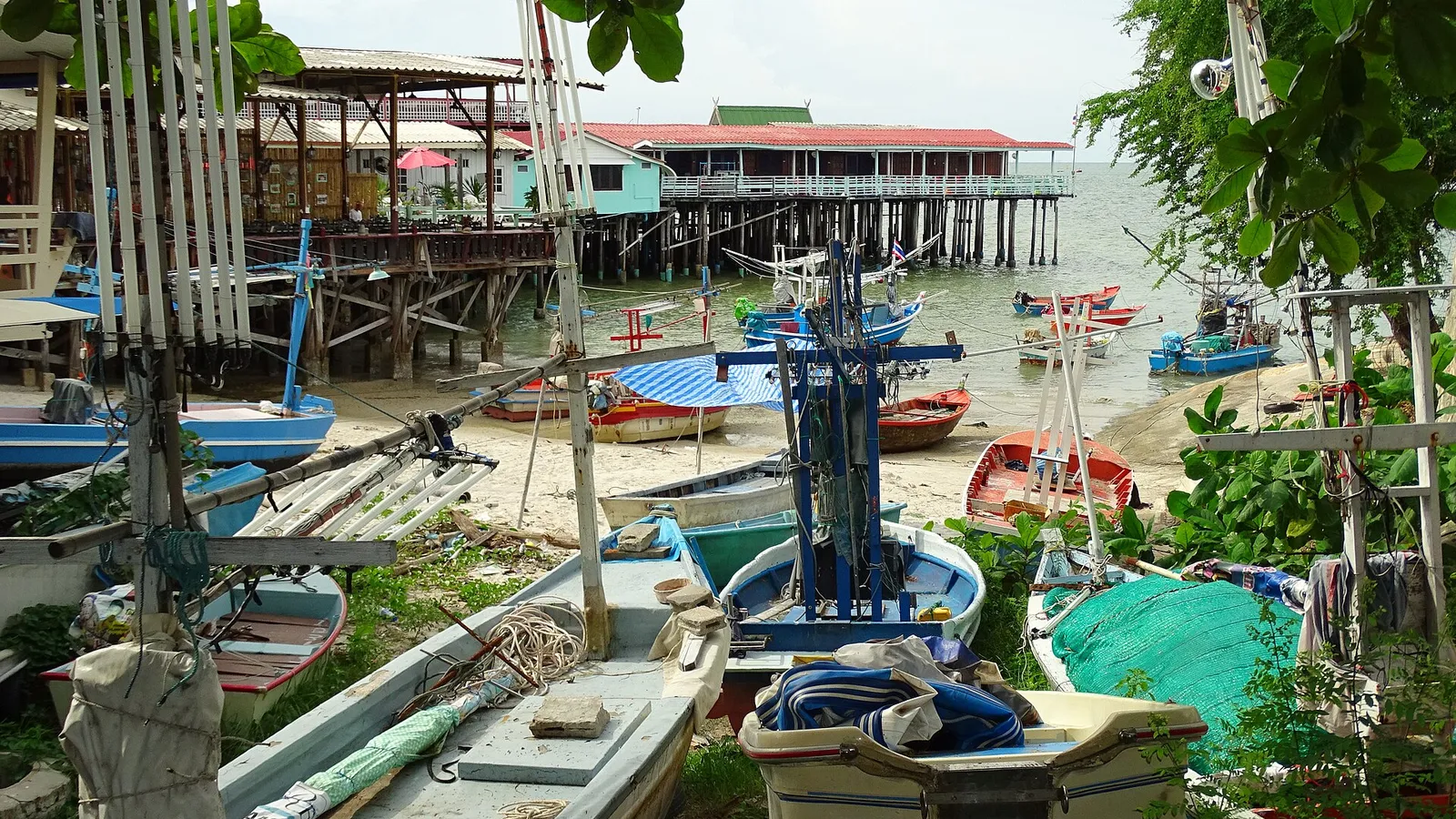
The old fishing quarter is now a lane of wooden guesthouses and seafood restaurants built on stilts over the water — best at sunset with a plate of grilled prawns.

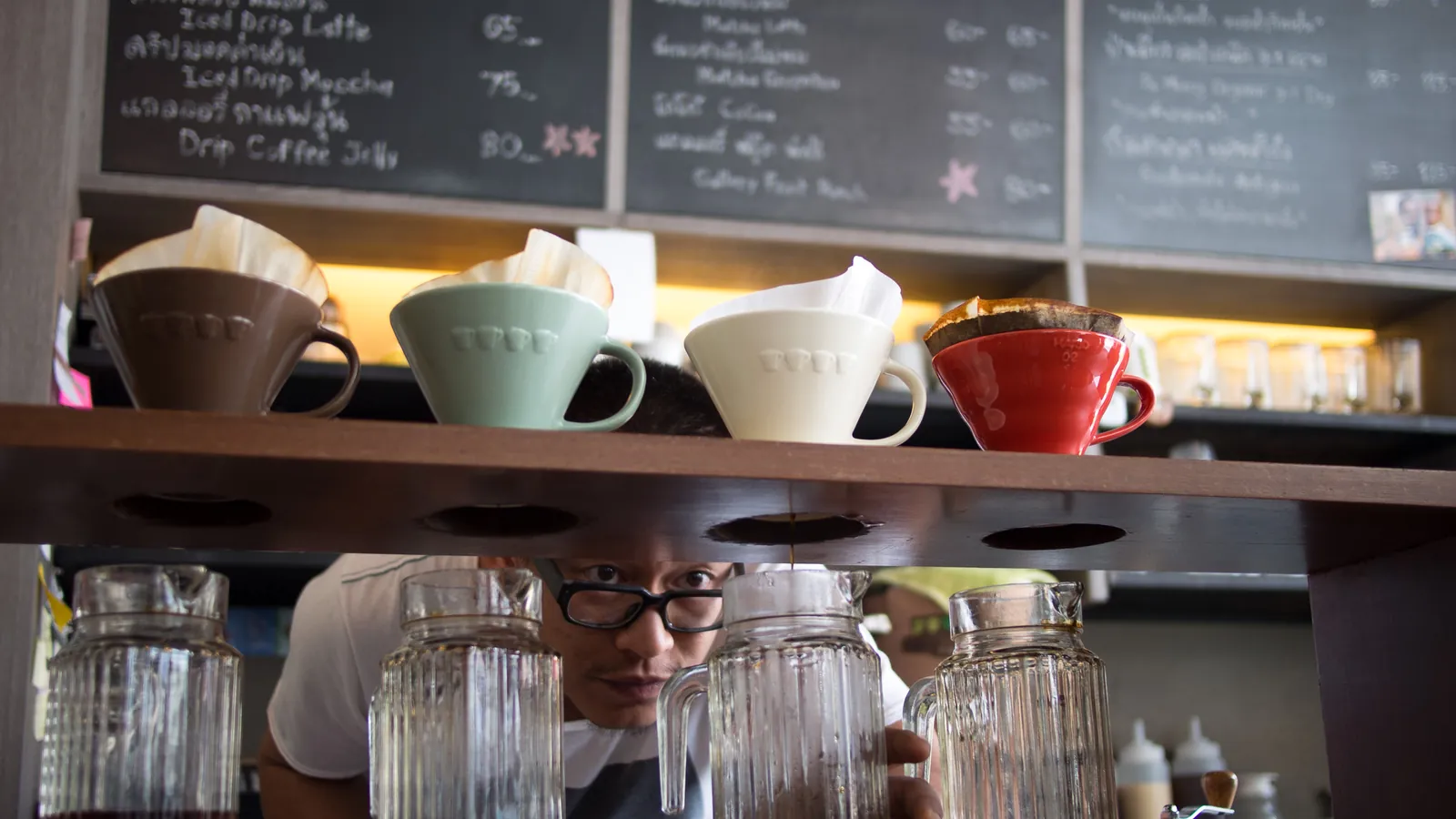
Hua Hin does laid-back luxury well: lotus-pond restaurants, beach clubs and dozens of excellent coffee shops hidden in the sois between Phetkasem Road and the sea.
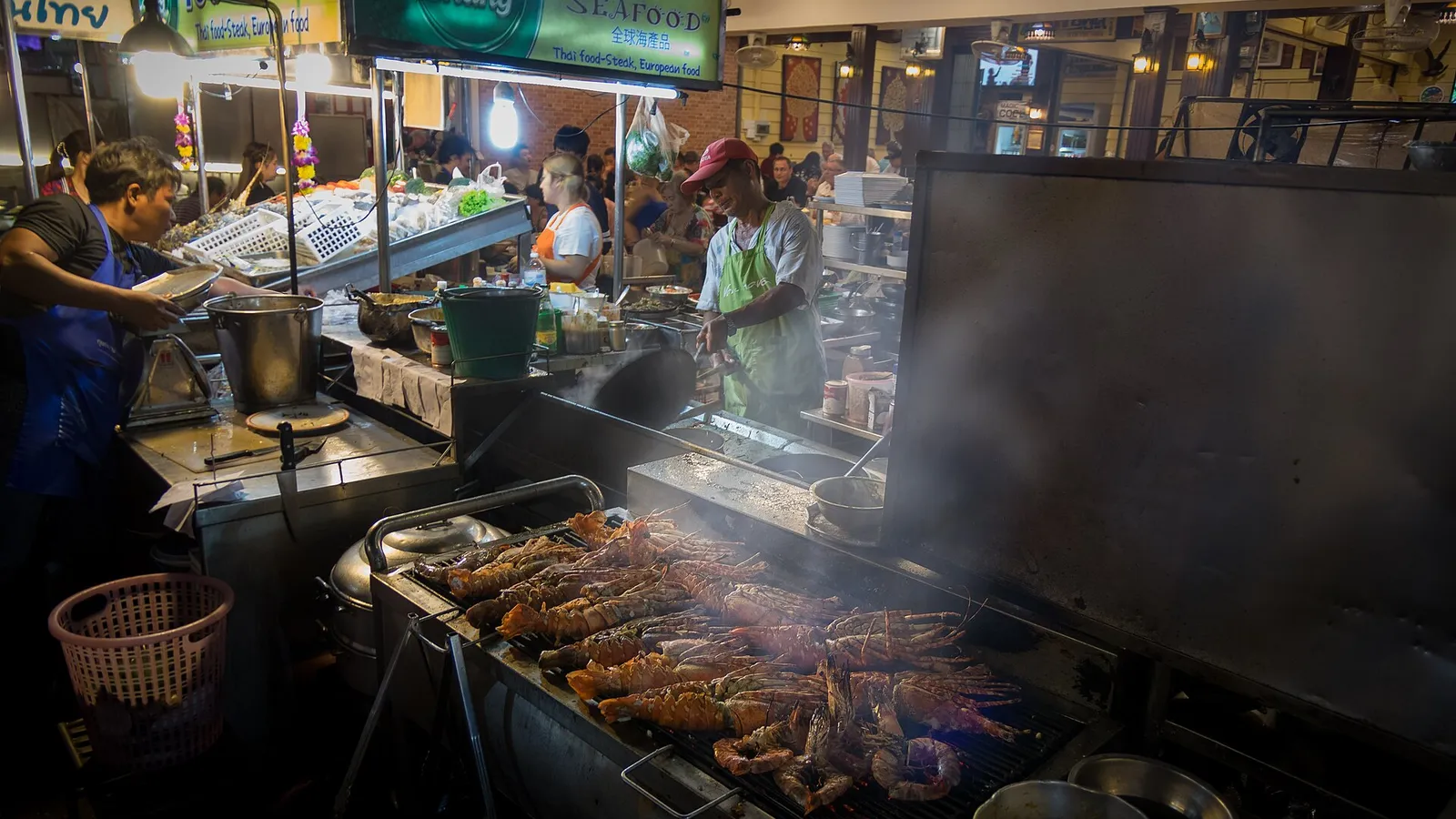
Hua Hin's kitchen is built on the fishing fleet you can still watch unloading at the pier. Grilled lobster, blue crab curry, sweet mantis shrimp and salt-crusted sea bass are the signatures — eaten either at the stilt restaurants on Naresdamri Road or at the plastic-stool stalls in the night market.
Beyond seafood the town has everything from old Hainanese coffee shops (try a patongko breakfast) to serious European fine dining, a legacy of its long history with Bangkok high society and Scandinavian winter guests.

The Hua Hin Night Market on Dechanuchit Road is the town's living room — every evening from about 6 pm the street fills with seafood grills, noodle carts, fruit stalls and souvenir vendors. It's touristy, but the cooking is genuinely good.
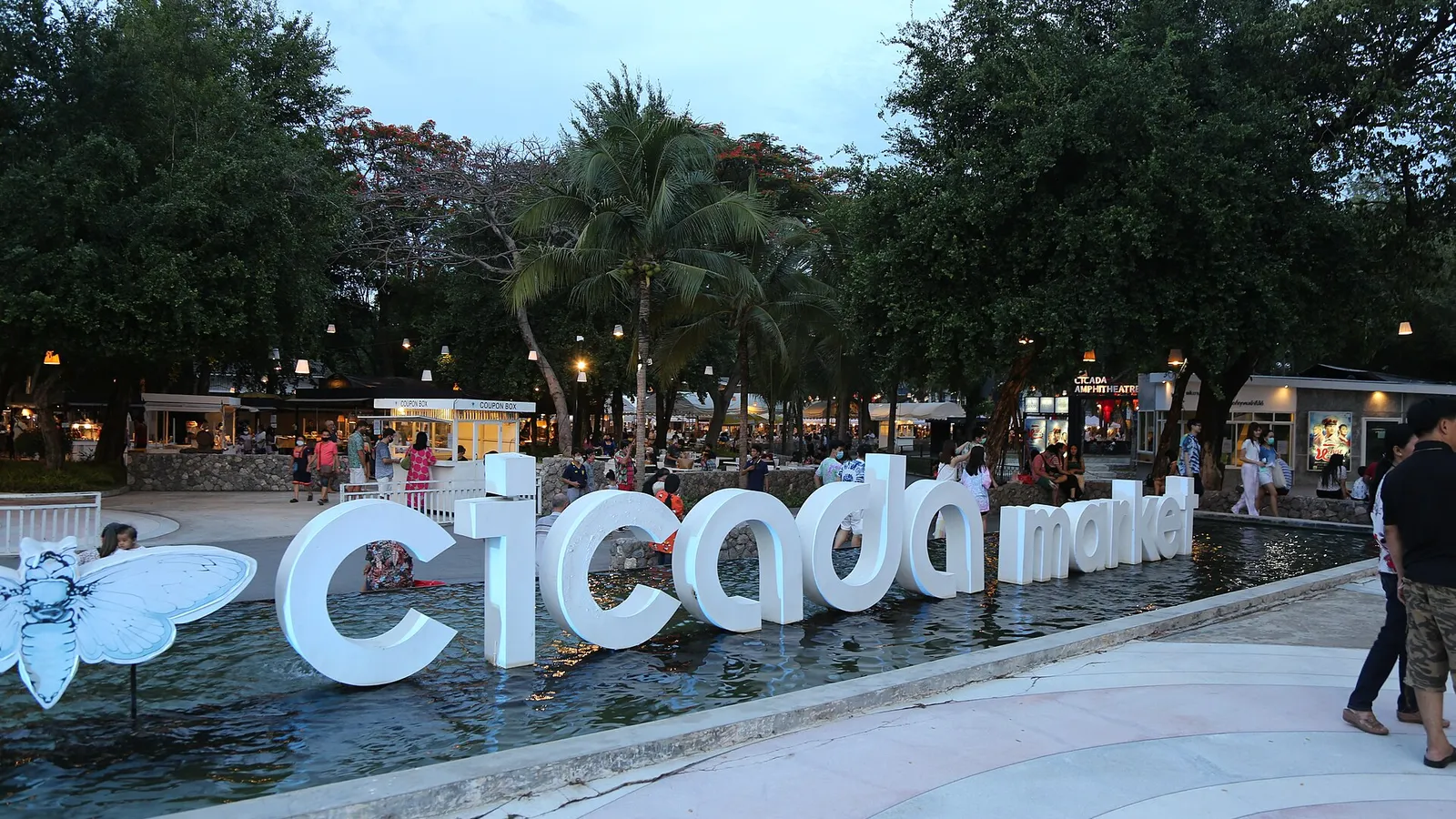
For something more local, Chatchai day market sells fruit and curry pastes from dawn, Cicada weekend market (Fri–Sun) is an arty open-air affair with live music near Khao Takiab, and Tamarind market next door adds craft beer and street food theatre.

Hua Hin's hotel scene runs from grand colonial-style resorts to cheap old-town guesthouses. Beachfront south of the centre is quietest; the old town is best for walking to restaurants and the night market.
The Centara Grand (the original 1923 Railway Hotel) and its topiary gardens are an attraction in their own right — high tea is open to non-guests.
Hilton, Anantara, Marriott and dozens of mid-range resorts line the sand north and south of the centre, most with pools facing the Gulf.
Wooden guesthouses on Naresdamri Road put you on stilts over the sea for a fraction of resort prices — simple rooms, unbeatable location.
Step-by-step transport guides for this stretch of the Gulf coast.