Glittering temples, the Chao Phraya river, street food that never sleeps — and a direct train straight back to Ban Krut's quiet beach.
Find a room before you go.
Every trip to Ban Krut starts or ends in Bangkok — so it's worth building in a day or three for the capital. Bangkok is enormous, chaotic and utterly rewarding: gilded royal temples beside glass towers, canal boats racing commuter trains, and arguably the best street food city in the world.
The good news is that the sights that matter most cluster along the Chao Phraya river, a short hop from the station where the Ban Krut train arrives and departs. You can see the essentials in a focused day or two.
Affiliate link. If you book through it we earn a commission, at no extra cost to you.

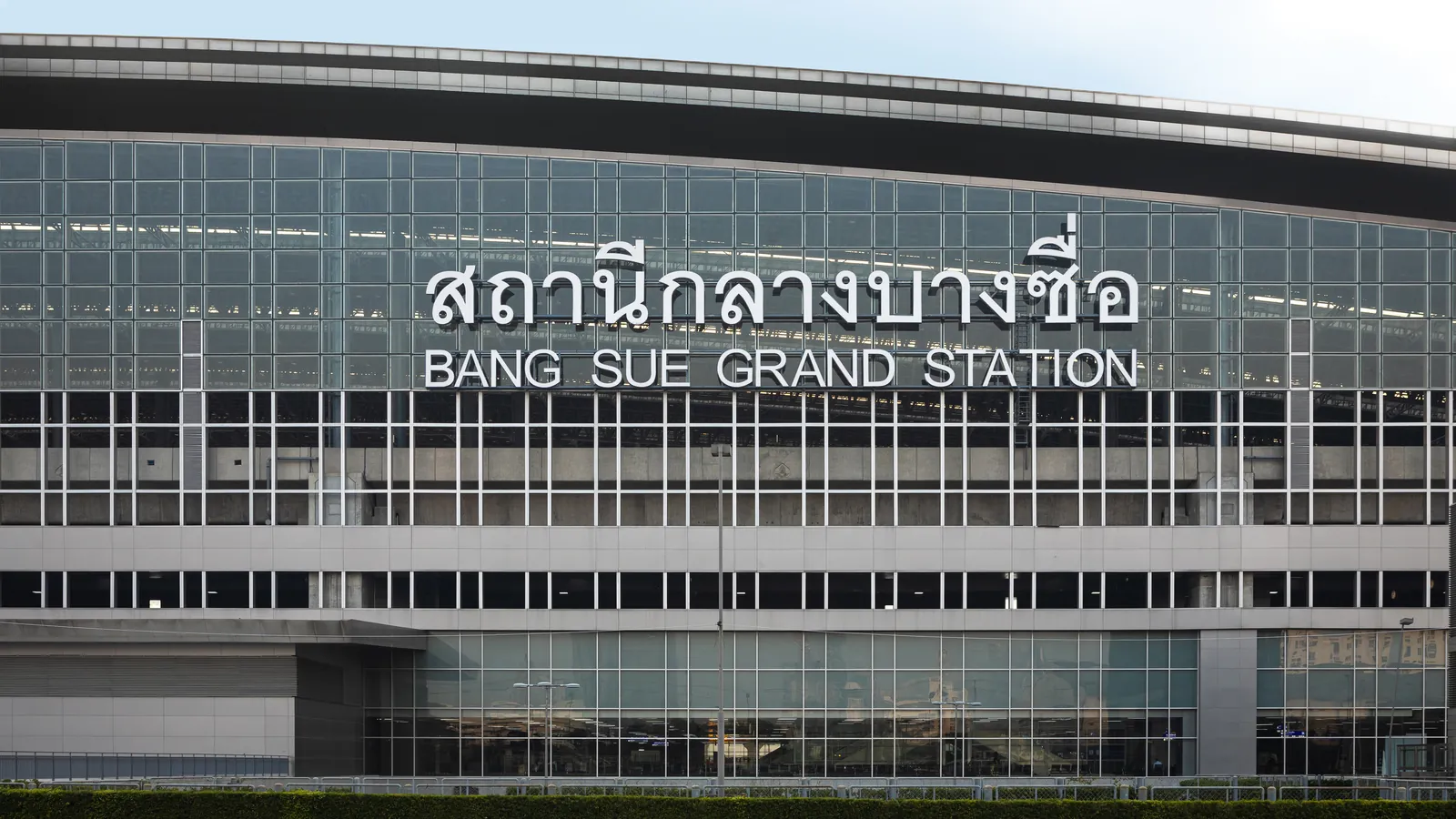
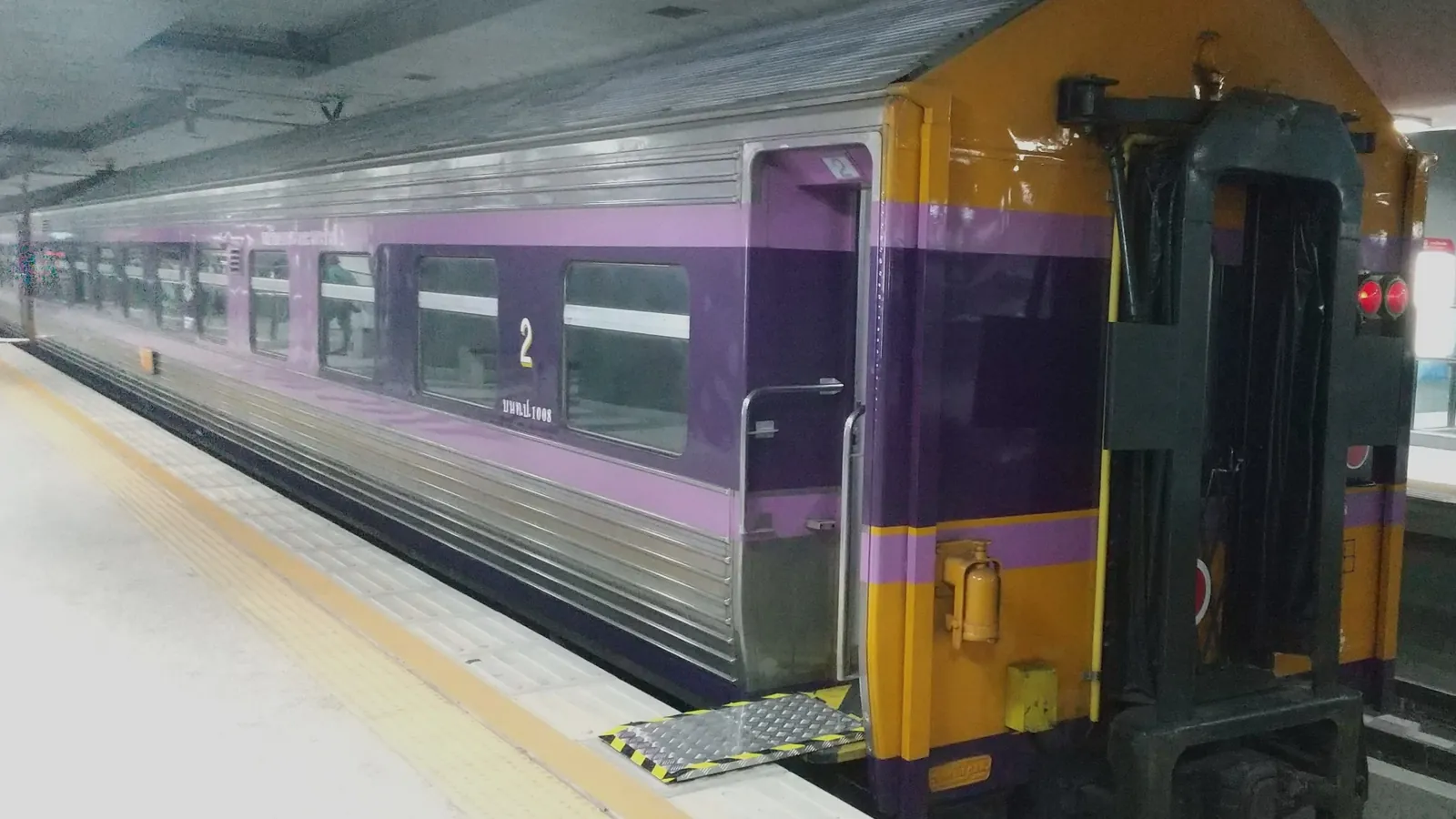
The direct train is the relaxed option: about 7 hours from Ban Krut station to Krung Thep Aphiwat Central Terminal, Bangkok's gleaming new rail hub. Day trains give you the coastal scenery; the sleeper services put you in the capital at dawn ready for a full day.
Buses from the Ban Krut junction on Highway 4 reach Bangkok's Southern Terminal (Sai Tai Mai) in roughly 5–6 hours. By car it's a straightforward 4½–5 hour run up Phetkasem Road / AH2.
From Krung Thep Aphiwat the MRT metro connects directly to the rest of the city — buy a stored-value card and skip the taxi queue.

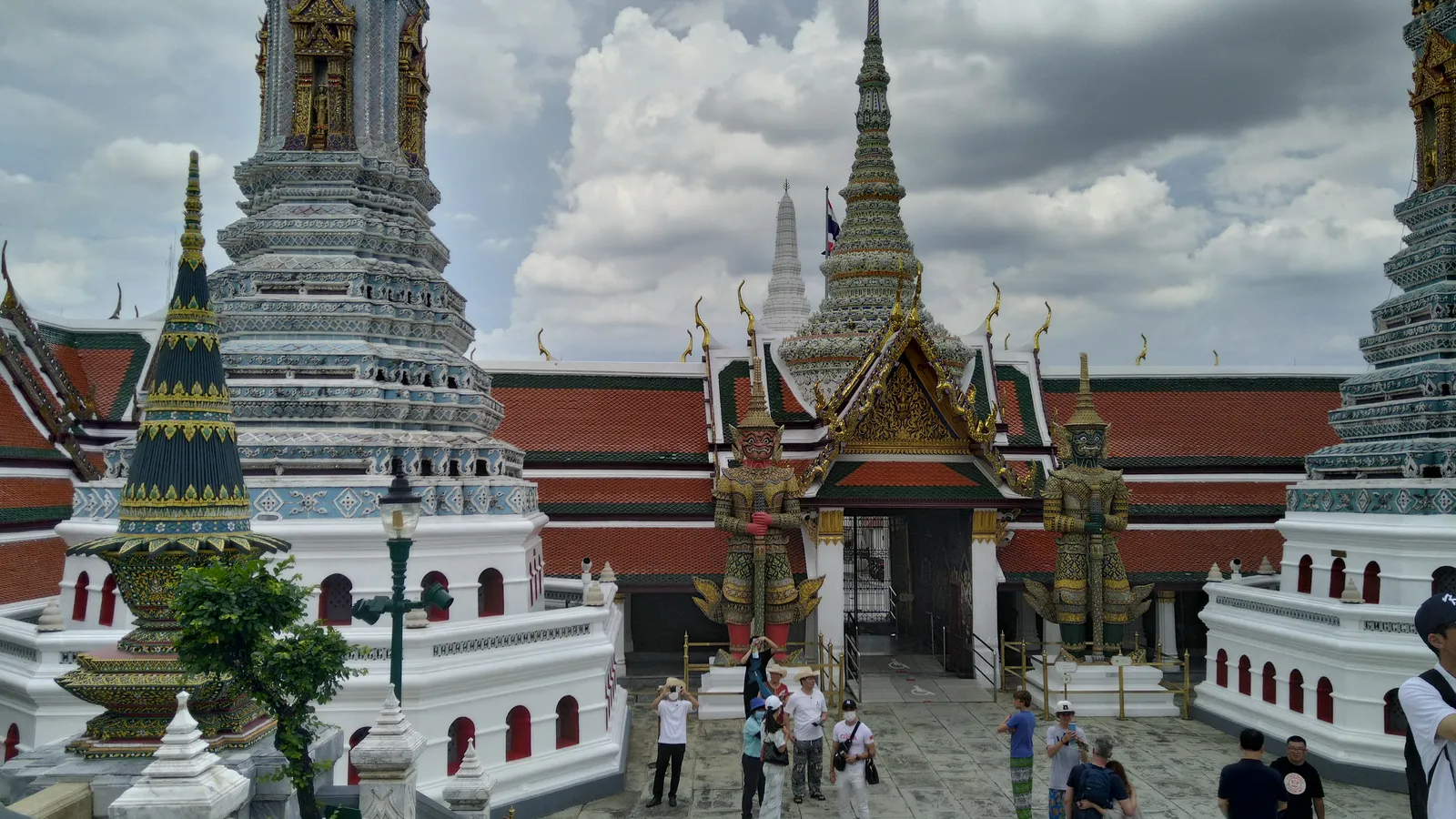
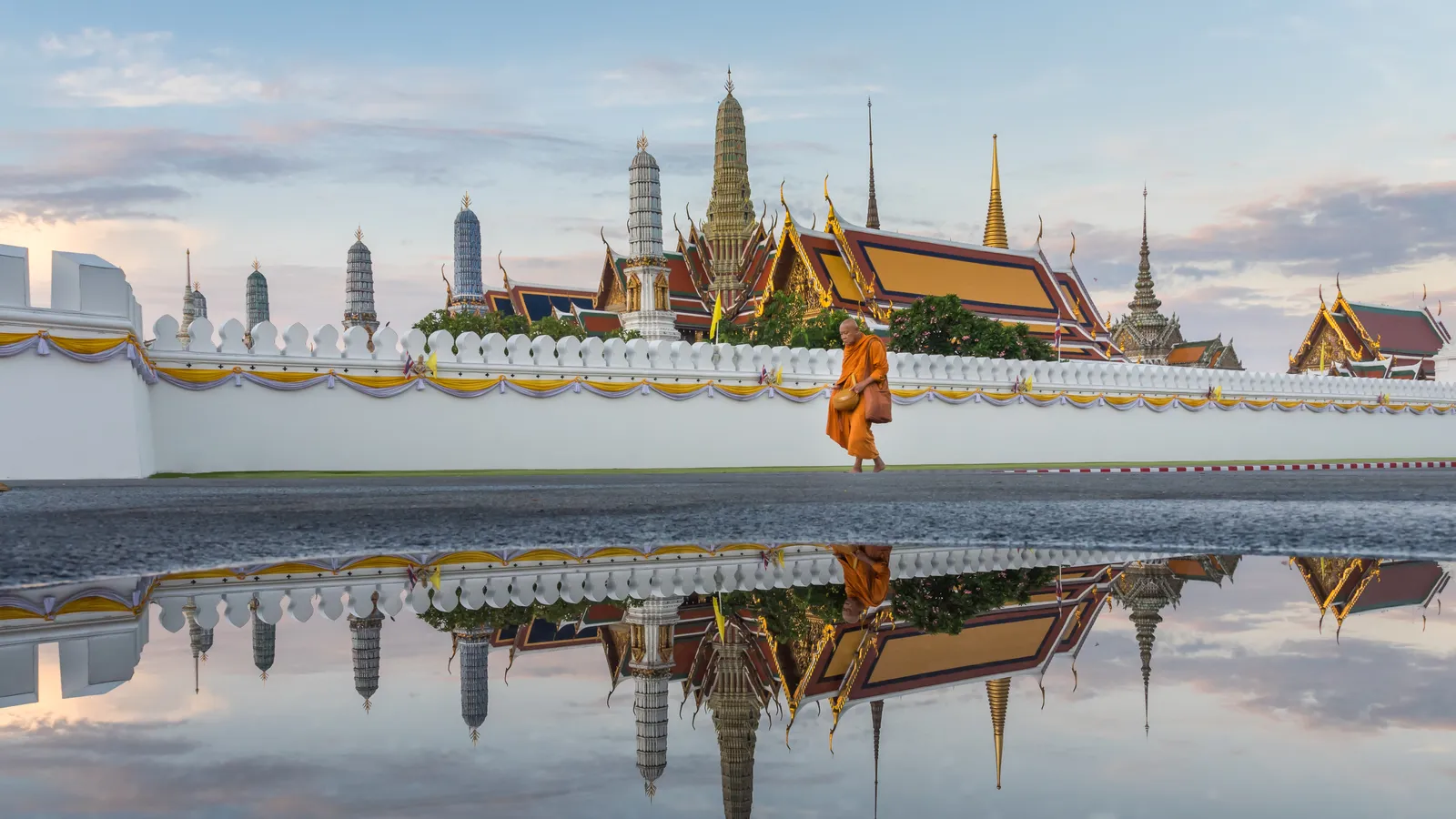
Thailand's most sacred site: the dazzling home of the Emerald Buddha inside the old royal palace walls. Go at opening time (8:30) to beat the heat and the crowds.

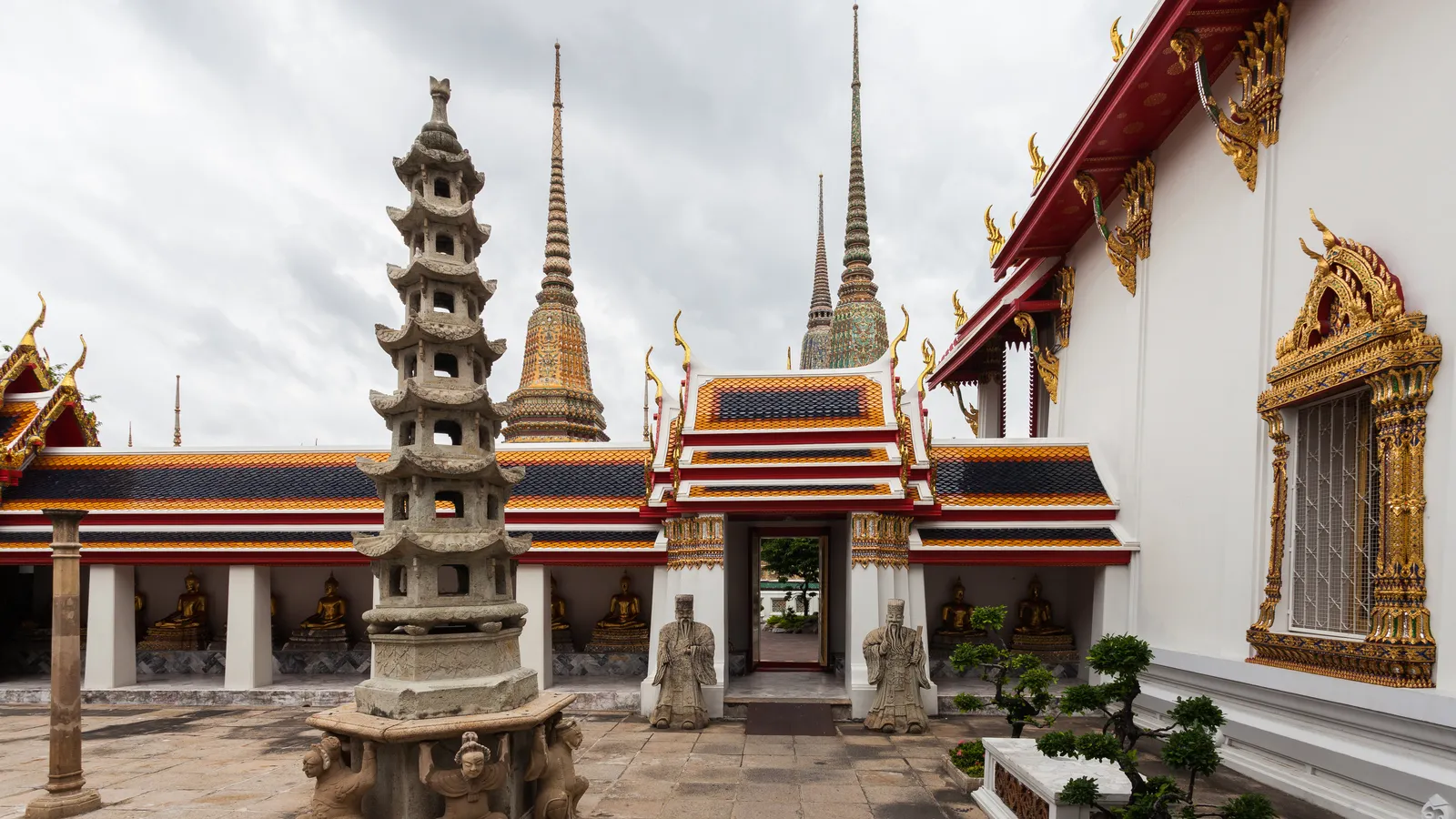
Home of the 46-metre golden Reclining Buddha and the birthplace of Thai massage — the on-site massage school is the best-value treatment in the city.

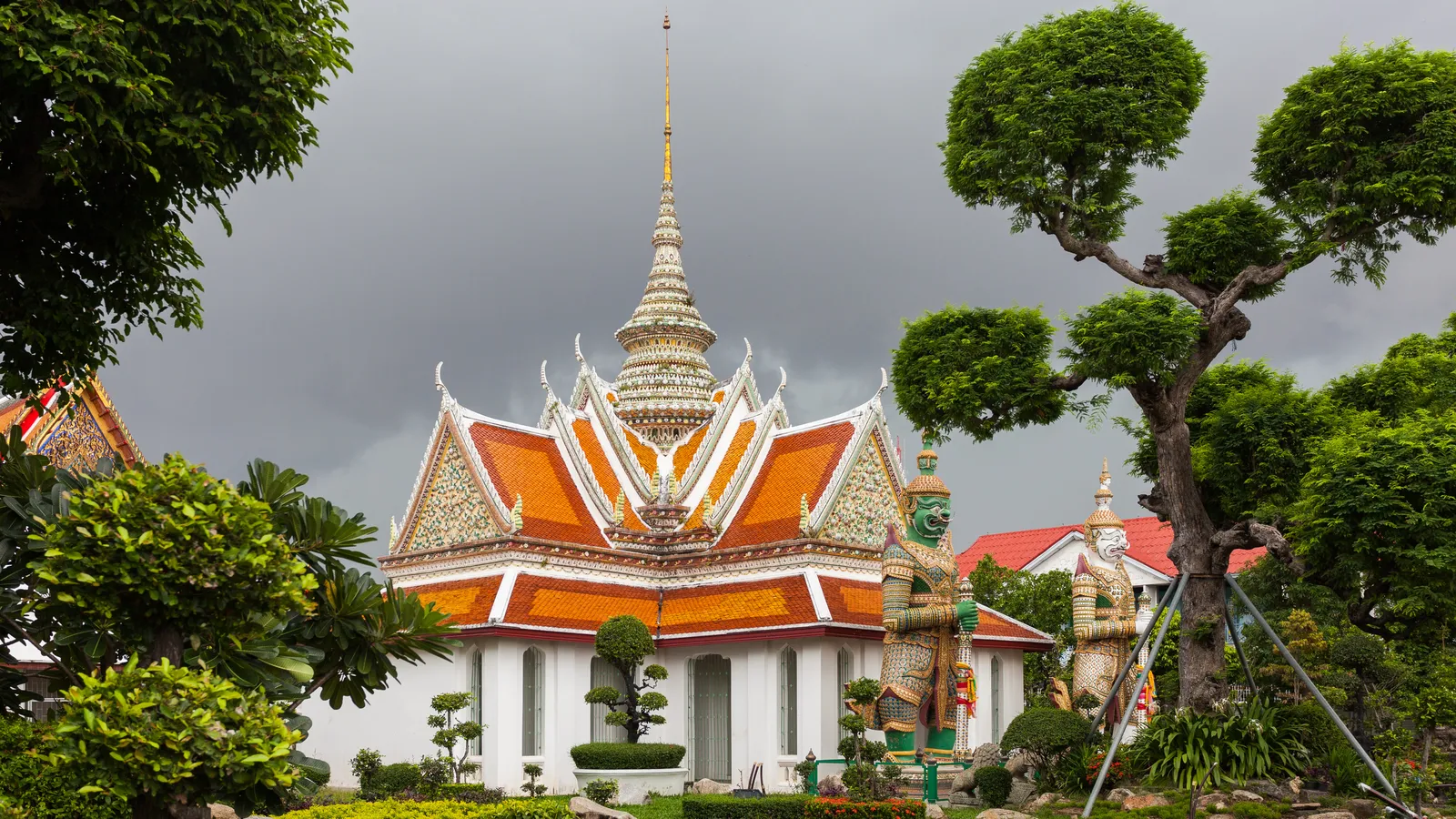
The porcelain-encrusted Temple of Dawn on the west bank is Bangkok's most beautiful silhouette. Cross by the 5-baht ferry and climb the steep central prang.

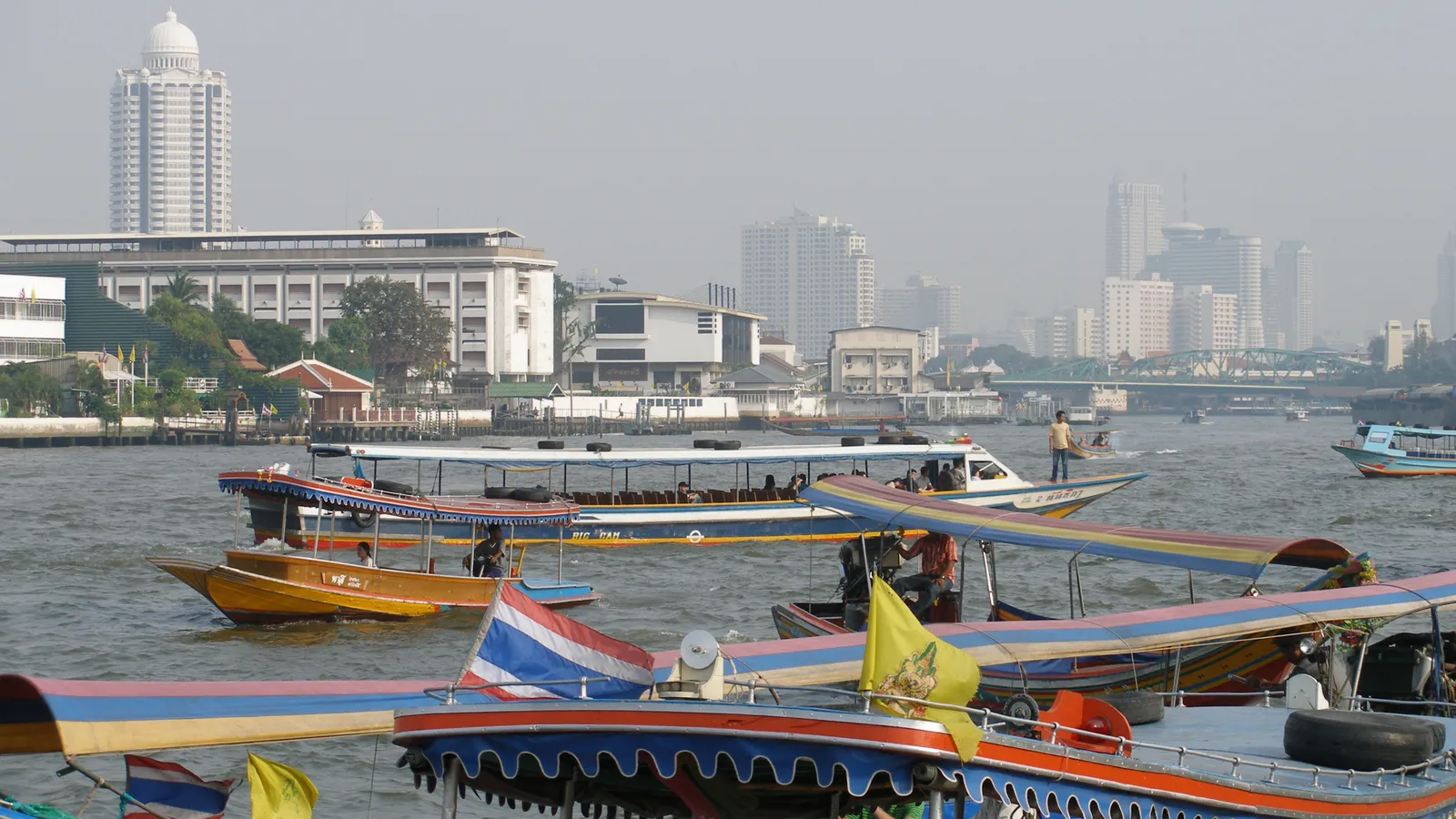
The orange-flag express boat is the city's best sightseeing trip and costs pennies. Ride from Sathorn pier north to the old town as the temples slide past.

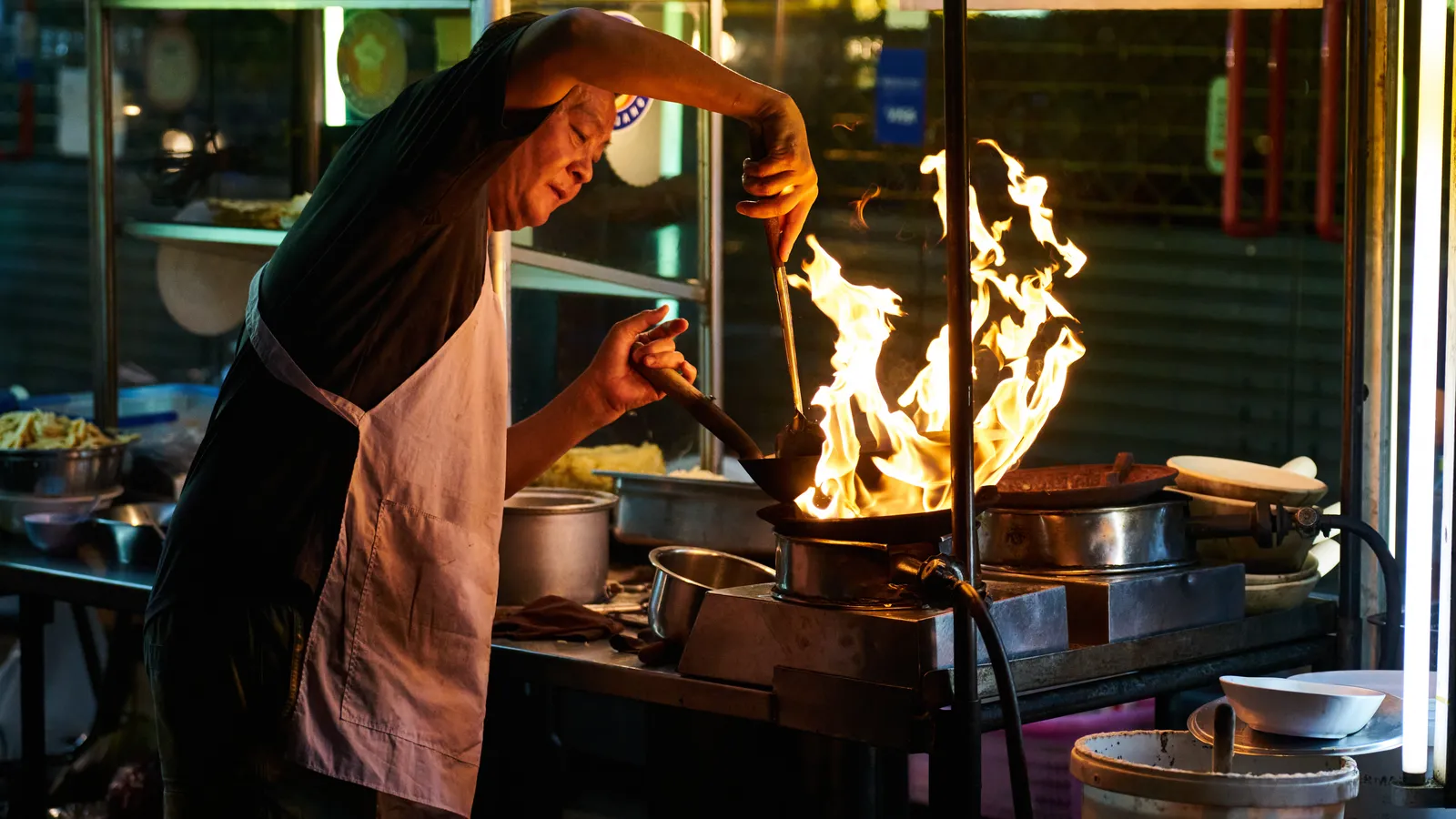
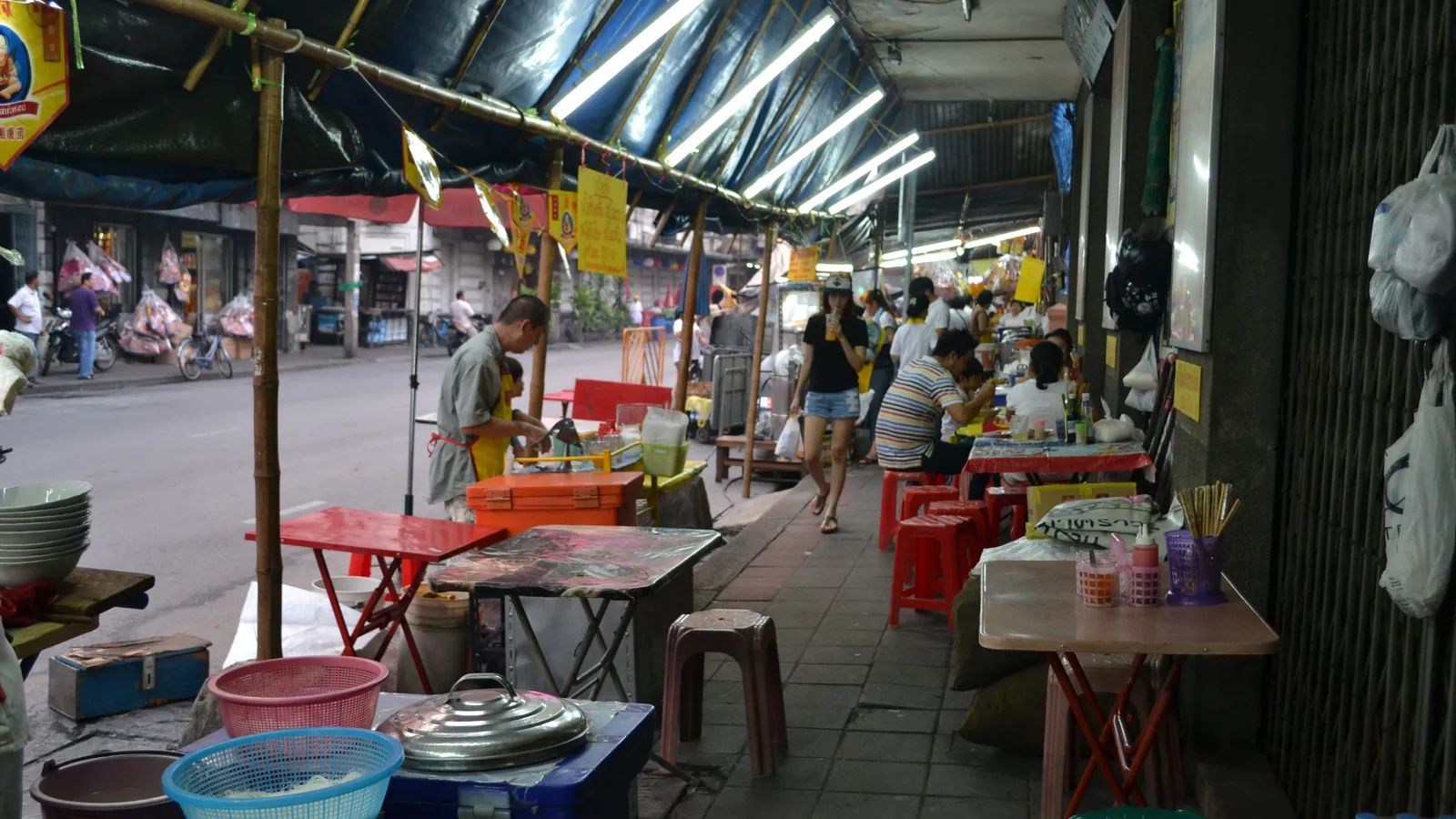
Bangkok's Chinatown turns into one giant open kitchen at night — follow the queues to the famous woks and eat your way down the neon-lit main road.

Arrive early anywhere sacred: monks on alms rounds, incense smoke and cool air make Bangkok's temples a different world before the tour buses arrive.
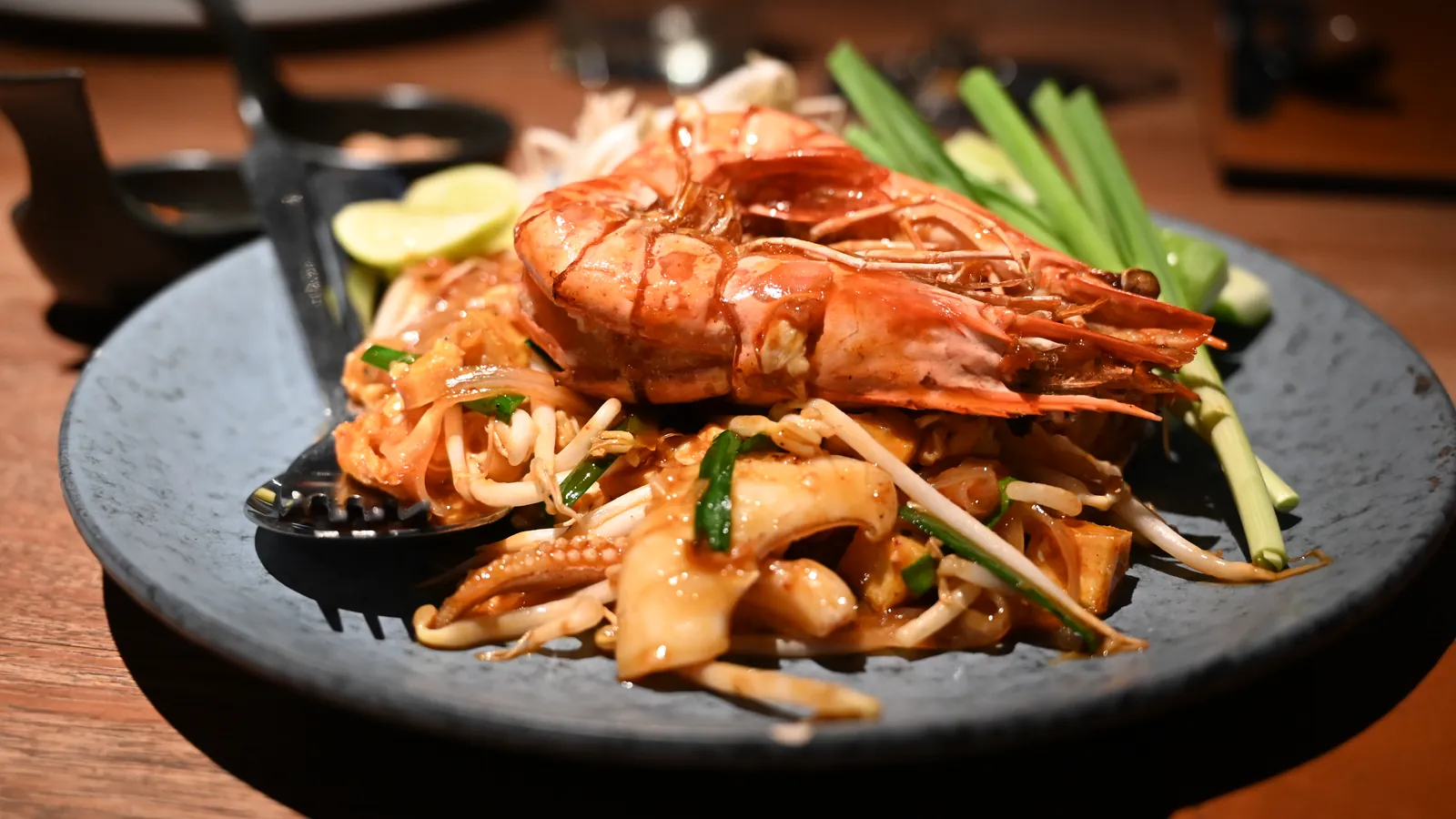
Bangkok eats around the clock. Boat noodles by the canal, grilled chicken and som tam on the sidewalk, crab omelettes cooked in flaming woks in Chinatown, and Michelin-starred food carts — often the best meal of a Thailand trip costs a couple of dollars on a plastic stool.
Good hunting grounds: Yaowarat (Chinatown) after dark, Or Tor Kor market for perfect fruit, the old town lanes around the Giant Swing, and any market you stumble into. If there's a queue of locals, join it.

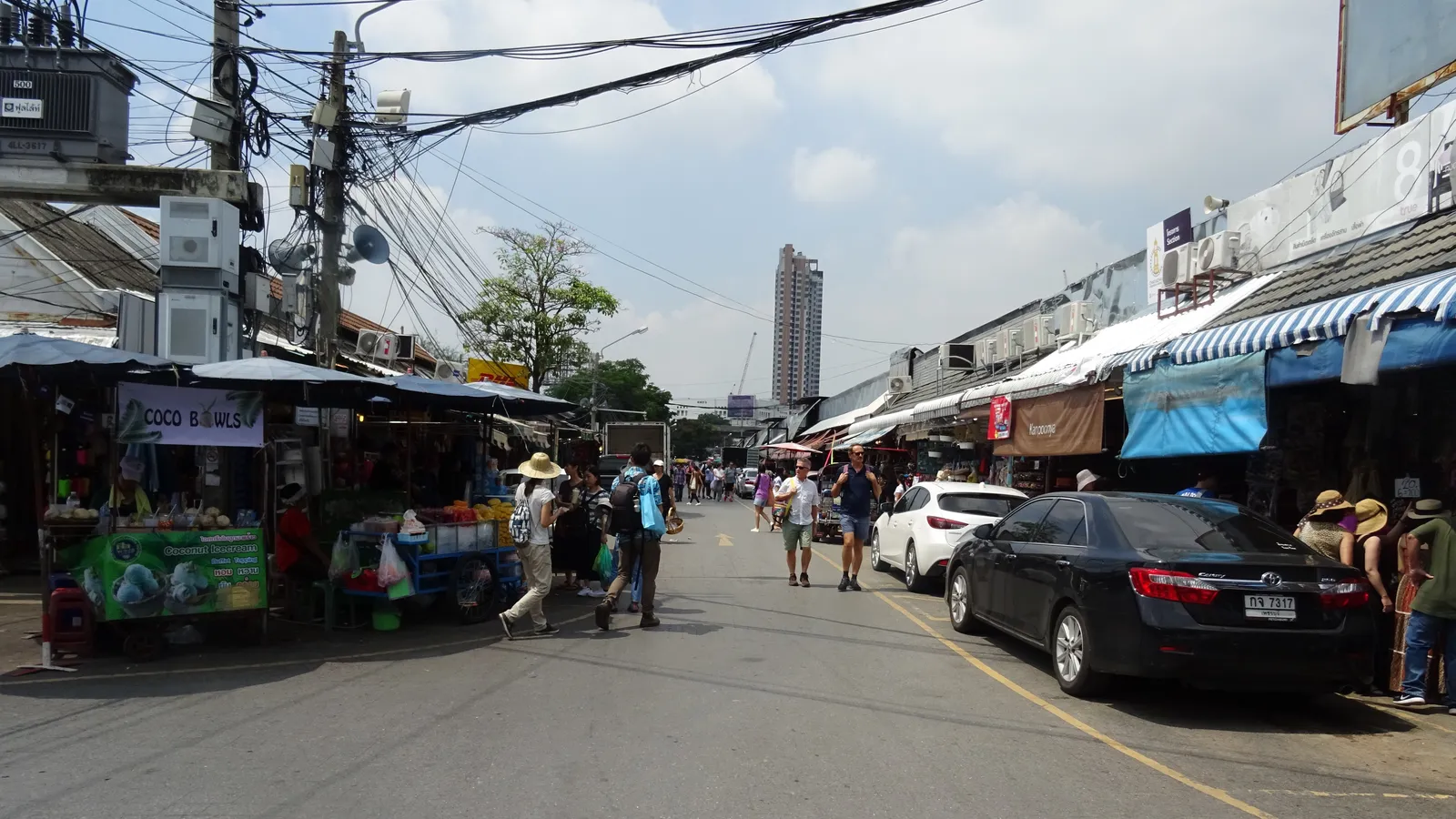
Chatuchak weekend market is the one everyone knows — 10,000-plus stalls selling everything from antiques to orchids, best tackled early on Saturday or Sunday morning. Take the BTS to Mo Chit and follow the crowds.
Beyond Chatuchak: Pak Khlong Talat flower market glows all night by the river, Or Tor Kor is Thailand's finest fresh market, and the night bazaars of Chinatown sell gold, herbs and street snacks the way they have for 200 years.

For a short city break before or after Ban Krut, stay near the river or on the BTS/MRT lines — Bangkok distances are deceptive and traffic is real.
The Chao Phraya hotels — from grand dames like the Mandarin Oriental to stylish mid-range towers — put the temples, ferries and rooftop views on your doorstep.
Guesthouses and boutique hotels in the old royal quarter mean you can walk to the Grand Palace at opening time. Khao San Road keeps the backpacker flame alive.
Modern Bangkok on the Skytrain lines: malls, rooftop bars, international restaurants and easy MRT access to the railway terminal.
Step-by-step transport guides for this stretch of the Gulf coast.