The short answer: November to February is the pleasant season. The longer answer is that Bangkok never really closes — it just changes rhythm.
Find a room before you go.
Bangkok runs on the classic mainland-Thailand calendar: a cool, dry season from November to February, a fierce hot season from March to May, and a rainy season from May to October that peaks in September. 'Cool' is relative — even January afternoons sit around 32°C — but the drop in humidity makes a real difference on foot.
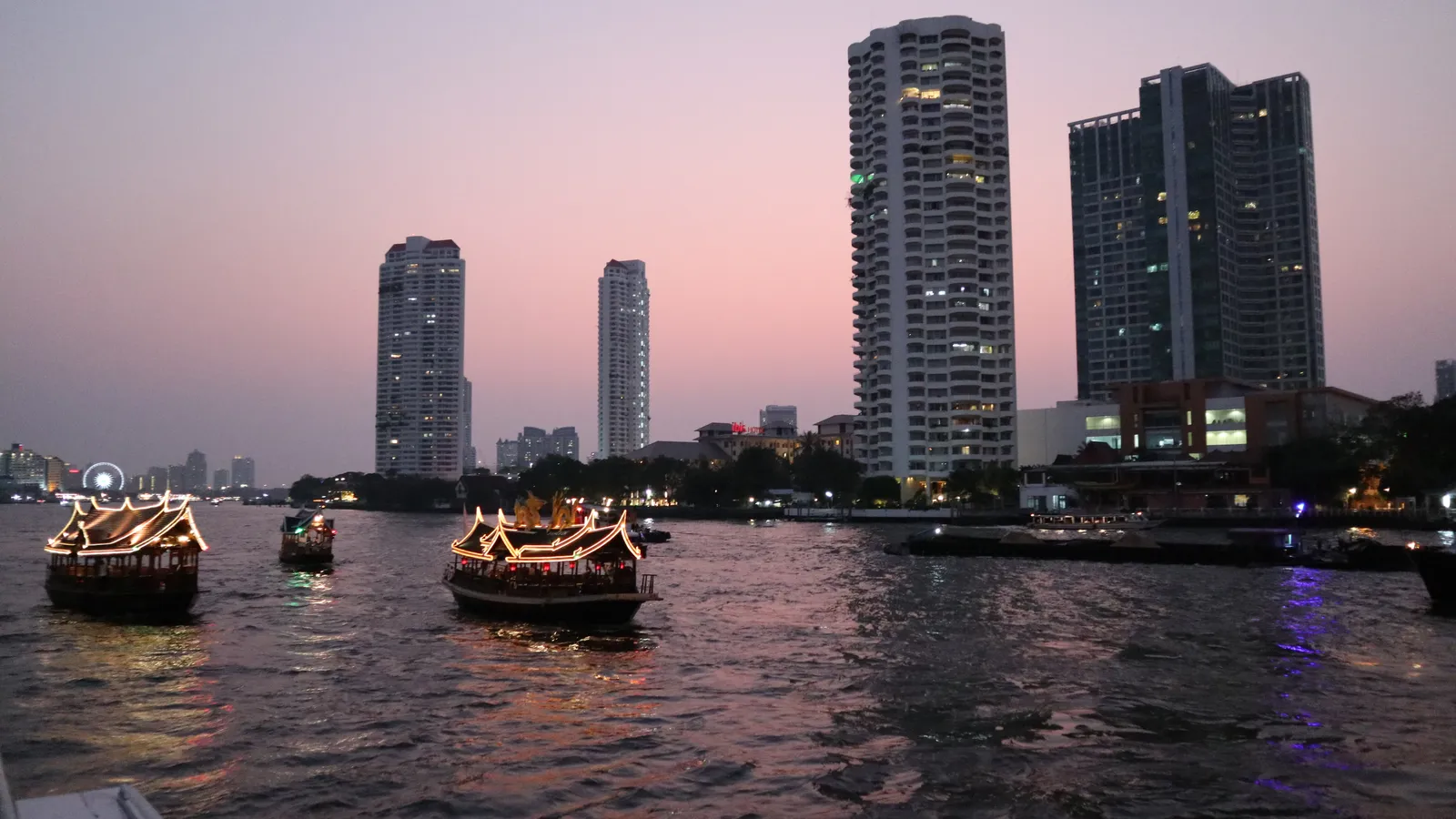
The rainy season sounds worse than it is. Most days deliver one dramatic downpour, often in the late afternoon, then clear. Streets can flood for an hour, tuk-tuks plough on, and the city glitters afterwards. With temples, markets, malls and river boats, Bangkok is one of the easiest places in Thailand to enjoy in any month.
Affiliate link. If you book through it we earn a commission, at no extra cost to you.
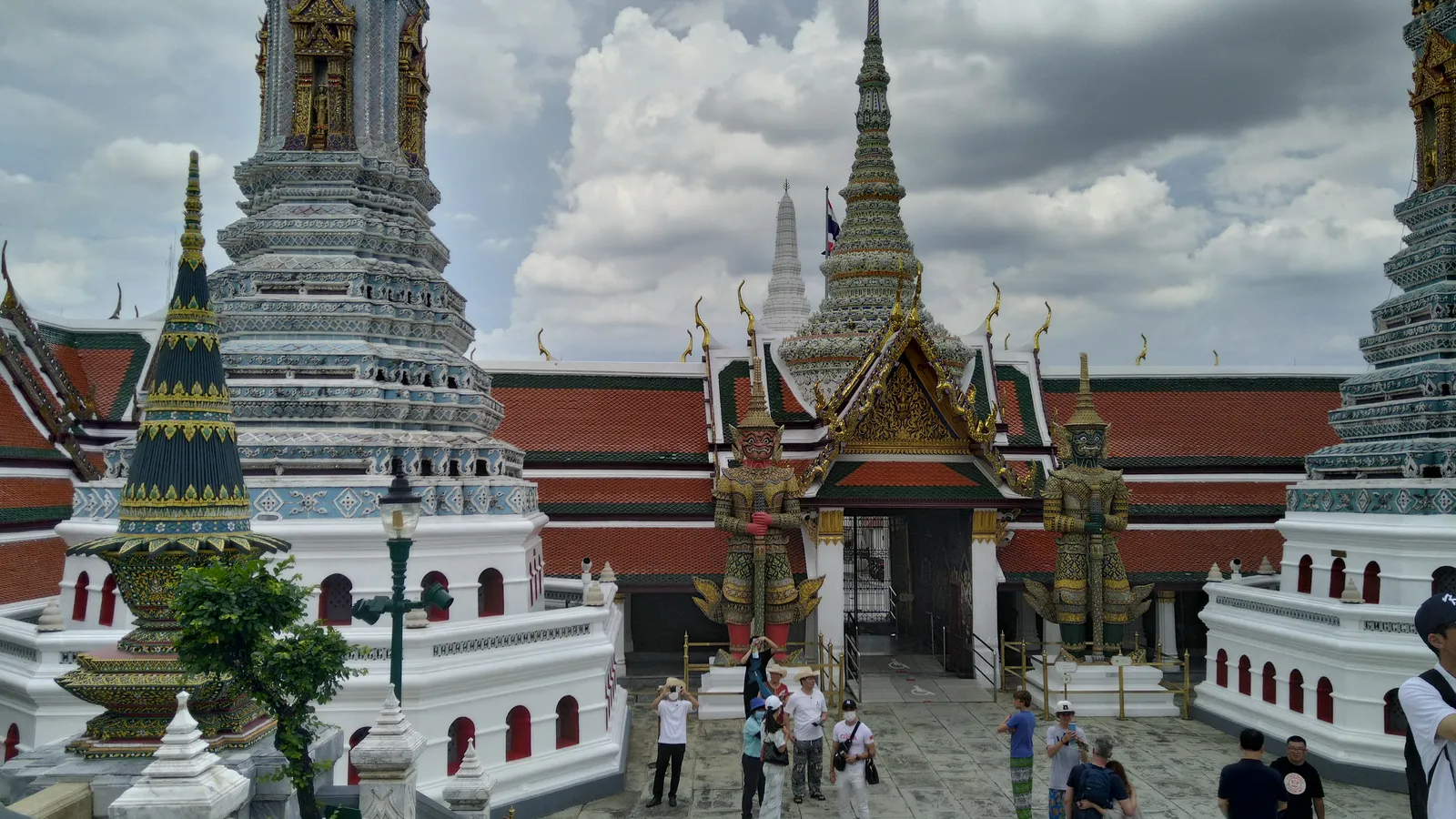
This is Bangkok at its best: dry skies, lighter air, and evenings that are genuinely pleasant for rooftop bars, river ferries and long street-food crawls. It is also peak season, so the Grand Palace and Wat Pho are at their busiest — go at opening time.
December and January are the prime months, with the lowest humidity of the year. Book hotels ahead around Christmas and New Year, when the city fills with both foreign visitors and Thais on holiday.

March to May is the hot season, and Bangkok's concrete holds the heat: expect 35°C+ afternoons and heavy air. Structure the day like locals do — temples and markets early, air-conditioned museums and malls in the afternoon, and the river breeze at sunset. Songkran in mid-April turns the whole city into a water fight.
From May to October the rains build, peaking in September. Mornings are usually dry and bright, the afternoon storm is short and spectacular, and hotel prices dip. Carry a poncho, allow slack in the schedule for traffic, and enjoy the emptier temples.

| January | Dry and relatively cool — ideal |
| February | Dry, warming up, still pleasant |
| March | Hot season begins |
| April | Hottest month — Songkran festival |
| May | Very hot, first real rains |
| June | Warm, regular short downpours |
| July | Warm and humid, afternoon storms |
| August | Humid, heavy showers |
| September | Wettest month — flooding possible |
| October | Rain easing late in the month |
| November | Dry season begins, loy krathong lights |
| December | Cool, dry and festive — peak season |
Roughly May to October, with September the wettest month. Rain usually comes as one heavy afternoon or evening downpour rather than all-day drizzle, so mornings are mostly fine for sightseeing.
Absolutely. Hotels are cheaper, temples are quieter, and the storms are brief. Plan outdoor sights for the morning and keep museums, malls and massages in reserve for the afternoon.
April is the peak, with afternoons regularly above 35°C and high humidity. Even the cool season is warm by European standards — around 31–32°C by day — but December and January evenings are comfortable.
Yes — trains and buses run south from Bangkok towards Hua Hin, Ban Krut and Chumphon, so a night or two in the city pairs naturally with a Gulf beach trip. The cool season is pleasant in both.
More guides for this stretch of the Gulf coast.