Koh Tao · Diving & snorkelling

Diving Koh Tao: the complete beginner's guide

More people learn to dive on this small Gulf island than almost anywhere on earth. Here is why — and how to do it well.

Part of the guides for: Koh Tao
Book your stay

Find a room before you go.

Find hotels on Booking.com · Koh Tao

Why the world learns to dive here

Koh Tao's formula is simple: warm calm water, dive sites minutes from the pier, shallow sandy bays perfect for training, and dozens of schools competing on quality rather than just price. An Open Water certification here typically runs around 10,000–12,000 THB — treat that as an approximate range — and many schools throw in simple accommodation for the duration of the course, which makes it one of the cheapest places anywhere to become a diver.
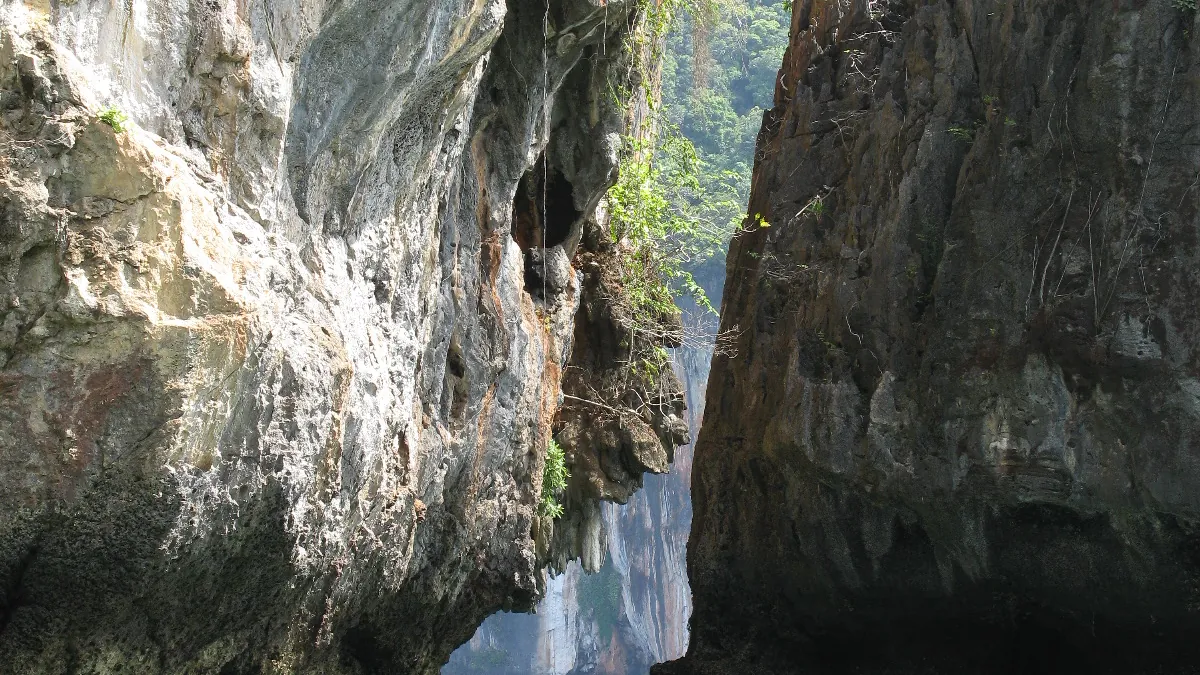
Snorkelling in a clear shallow lagoon

The scale cuts both ways: with so many students in the water, the island can feel like a campus during high season. But the standard of instruction is generally high, the social scene is easy, and even snorkellers get remarkable value — several bays deliver turtles, reef sharks and coral gardens a few fin-kicks from the sand.

Transport

Tickets & connections

Search tickets on 12go

Affiliate link. If you book through it we earn a commission, at no extra cost to you.

Tours

Tours & activities

See tours on GetYourGuide →

At a glance

Koh Tao Diving Guide

  • Open Water courses typically cost around 10,000–12,000 THB, often including simple lodging
  • Courses take 3–4 days from pool session to certification
  • Fun dives cost roughly 1,000 THB each for certified divers
  • Best visibility roughly March to September; seas rough November to December
Good to know

Good to know

  • Don't book the cheapest course sight unseen — visit schools, ask about group sizes and gear, and trust your gut.
  • Leave 18–24 hours between your last dive and any flight.
  • Snorkellers: Shark Bay and the Nang Yuan sandbar are superb without a single lesson.
  • Book courses a few days ahead in high season (December–March and July–August); walk-ins work fine off-peak.
How the courses work — and picking a school

The Open Water course runs three to four days: theory and a pool or shallow-bay session first, then four open-water dives over the following days, finishing at 18 metres. No experience is needed, just reasonable health and the ability to swim. Already certified? The Advanced course adds two more days and deeper sites, and fun dives run at roughly 1,000 THB each — approximate, and often cheaper in packages.

Choosing between the dozens of schools matters more than saving a few hundred baht. Look for small groups (four students per instructor is far better than eight), a solid safety record and well-kept equipment, and a vibe that suits you — some schools are party-flavoured, others quiet and thorough. Talk to two or three before handing over money; good schools welcome the questions.

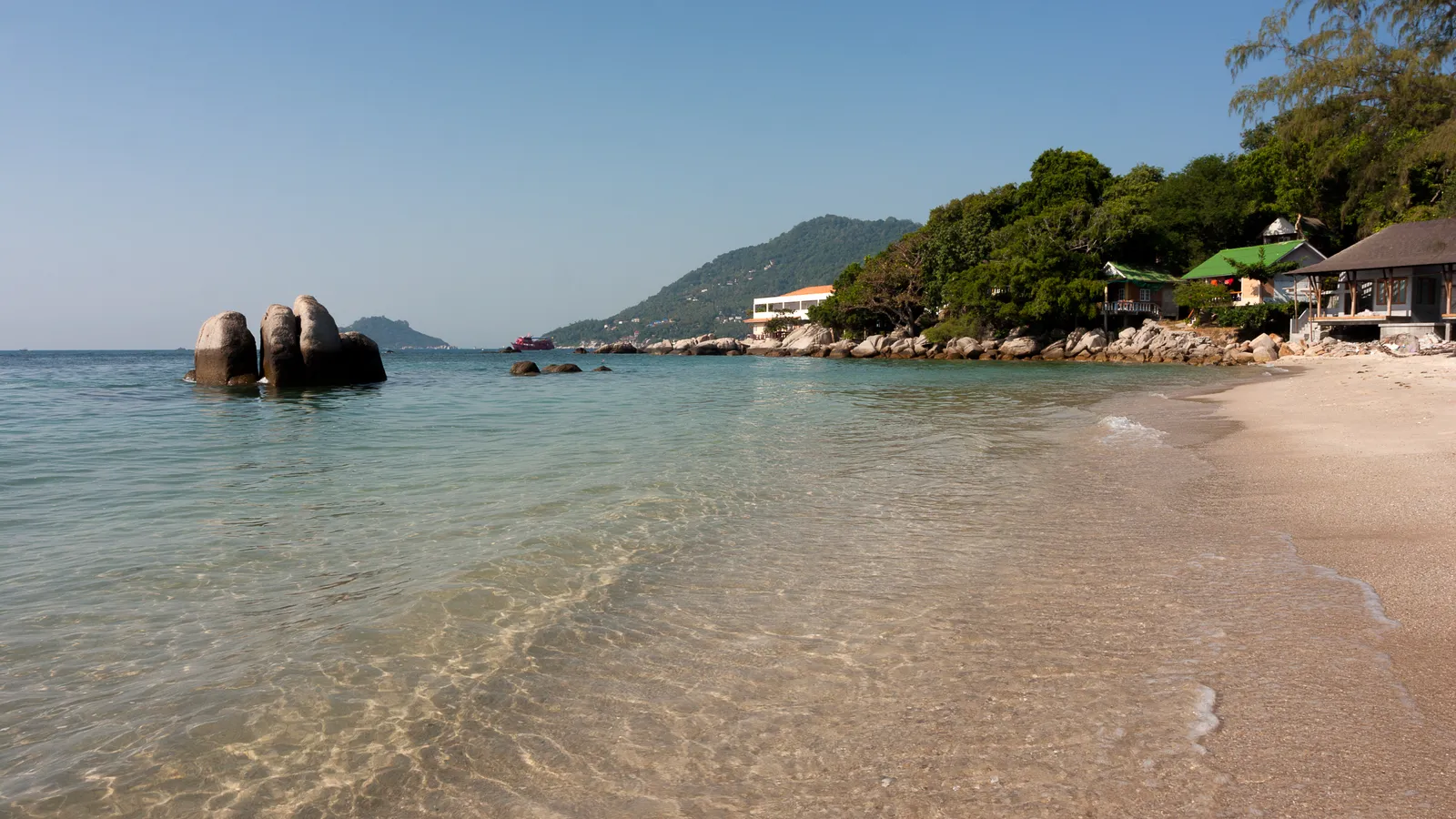
Dive-school flags along Sairee Beach, Koh Tao

The sites and the seasons

The island's signature site is Chumphon Pinnacle, a granite tower in open water that draws big schools of trevally and barracuda and, on lucky days, whale sharks. Sail Rock, between Tao and Phangan, is the other marquee trip, famous for its swim-through chimney. Closer in, White Rock is the classic all-rounder, and the shallow bays — Shark Bay among them — serve training dives and superb snorkelling.

Season shapes everything. Roughly March to September brings the calmest seas and the best visibility, often stretching beyond twenty metres on good days. October turns mixed, and November to December is the rough patch, when the north-east monsoon churns the Gulf, boats stay in harbour more often and visibility drops. Courses run year-round, but if you are travelling specifically to dive, aim for the calm months.

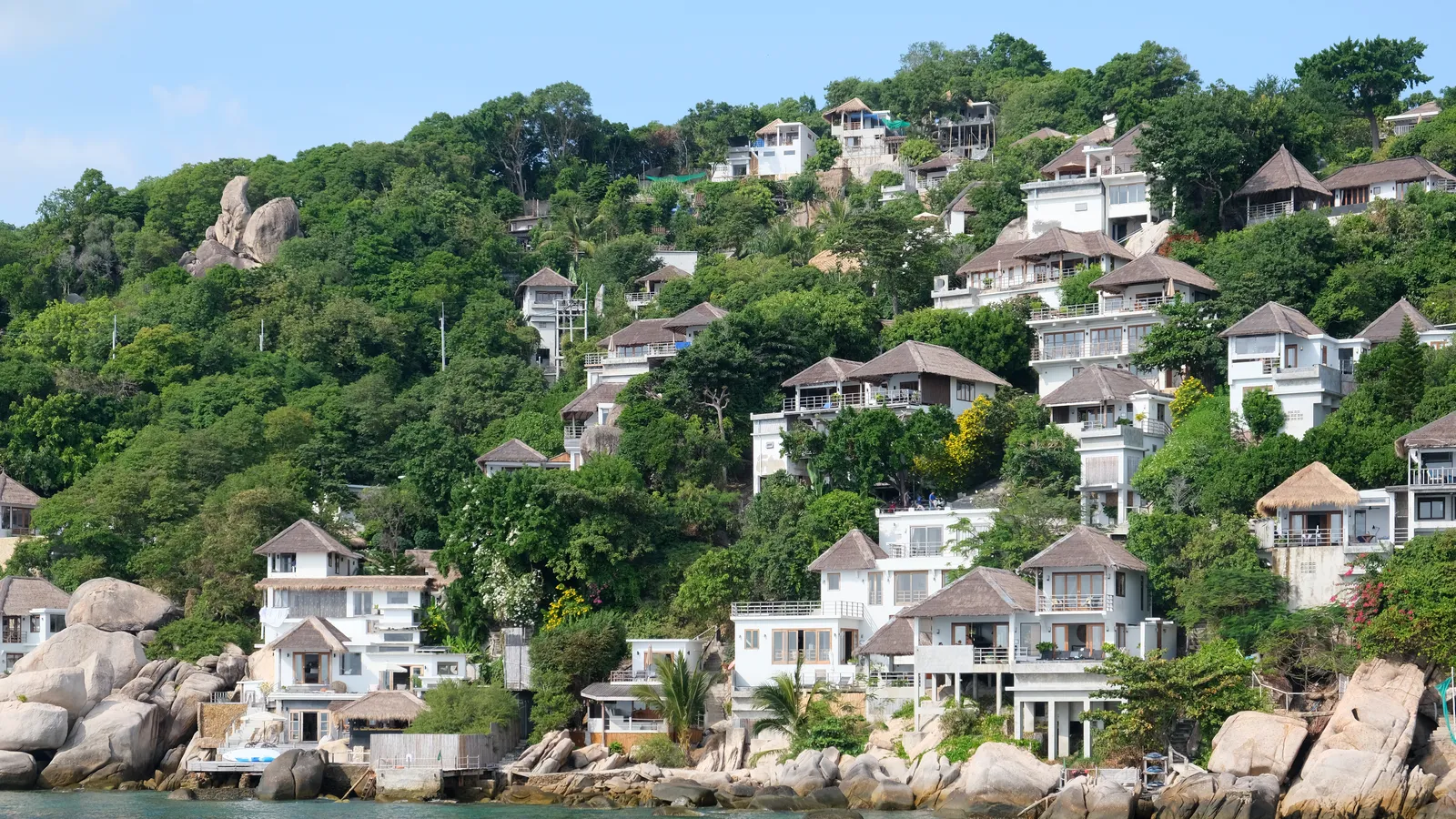
Shark Bay on Koh Tao, a favourite snorkelling spot
Frequently asked questions

Frequently asked questions

How much does it cost to learn to dive on Koh Tao?

An Open Water certification typically costs around 10,000–12,000 THB, and many schools include simple lodging. Prices vary with season and school — treat these as approximate.

How long does the Open Water course take?

Three to four days: theory and confined-water practice first, then four open-water dives. Most schedules leave your afternoons or evenings free.

When is the best time to dive Koh Tao?

Roughly March to September, when seas are calm and visibility is at its best. November and December are the rough months, with cancelled boats more likely.

Can I see whale sharks at Koh Tao?

Sometimes — Chumphon Pinnacle and Sail Rock get occasional visits, most often reported around the calmer months. No one can promise a sighting, and be wary of anyone who does.