The flip month: as the Andaman coast starts to dry out, the Gulf coast's short wet season begins. Timing and geography matter more in October than in any other month.
Find a room before you go.
October is Thailand's pivot. For five months the south-west monsoon has soaked the Andaman side while the Gulf stayed mostly dry; now the pattern reverses. Through October the rains over Phuket and Krabi gradually lose their grip — especially in the second half of the month — while the north-east monsoon begins pushing rain onto the Gulf coast, from Hua Hin and Ban Krut down through Chumphon to Samui, Tao and Phangan.
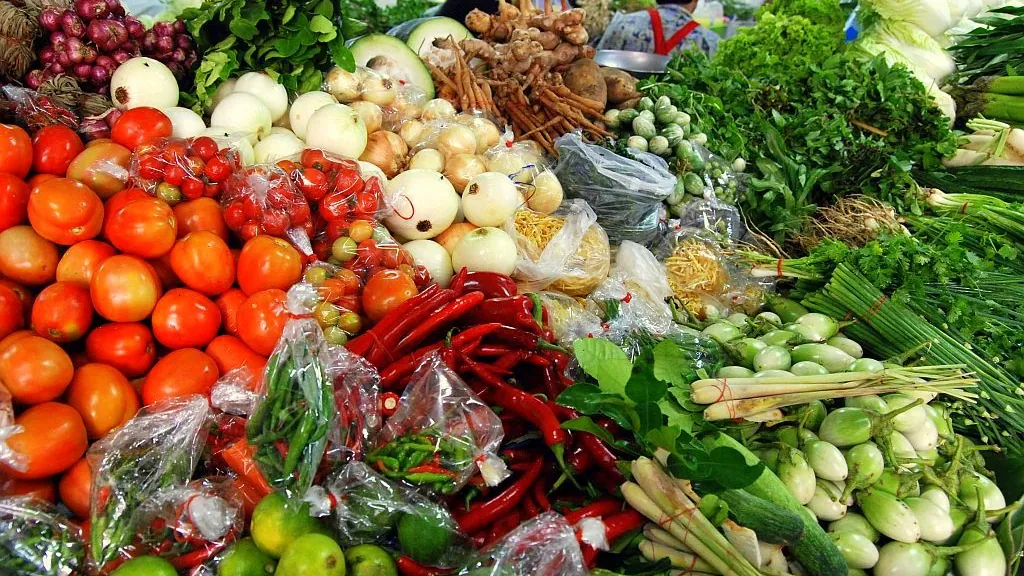
That makes October genuinely tricky to plan, and we would rather say so than pretend otherwise. Early October still favours the Gulf; by late October the advantage is shifting west. It is also one of the most interesting cultural months of the year: the Vegetarian Festival fills southern towns — Phuket above all — with drumming, yellow flags and some of the best meat-free street food you will ever eat.
Affiliate link. If you book through it we earn a commission, at no extra cost to you.
Bangkok and the central plains improve steadily through the month — the last big storms rumble through early on, and by late October the cool-season breeze is hinting at its arrival. The north dries out in the same way, and the countryside around Chiang Mai is at its greenest and most photogenic. On the Andaman side, early October is still properly wet, but from mid-month the gaps between storms widen and the seas start settling.
On the Gulf coast the arrow points the other way. Ban Krut, Prachuap and Chumphon see their showers thicken through the month, and Samui, Tao and Phangan enter their wet season proper. By late October the Gulf can turn rough — ferries to the islands occasionally delay or cancel in bad spells, so build slack into island-hopping plans and avoid tight same-day flight connections.

If your dates are early in the month, the Gulf coast still works: warm seas, green scenery and shoulder-season prices in Ban Krut and Hua Hin, with mornings reliably better than afternoons. If your dates fall late in the month, start looking west — Khao Lak, Phuket and Krabi begin opening up, and you will catch the Andaman at its emptiest just before high season prices arrive.
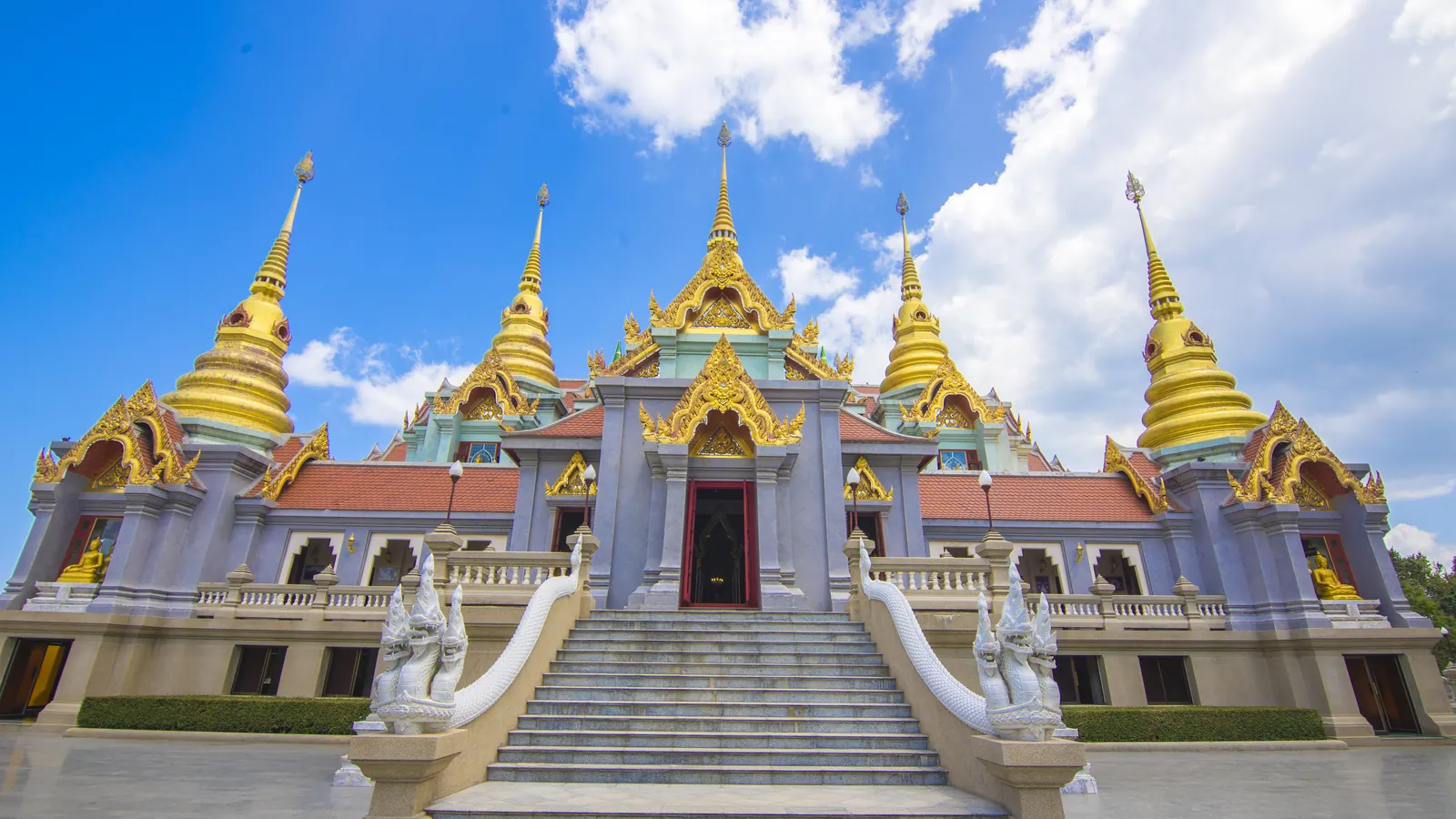
Wherever you are, October rewards the flexible. Inland trips shine in the transition: Khao Sok's lake sits full and misty, temples are quiet, and the food scene is exceptional — the Vegetarian Festival (usually nine days around the new moon of the ninth lunar month) is worth planning a stop in the south for on its own. Ban Krut's own temple hill, Wat Thang Sai, is at its most atmospheric under October's big skies.

It is a transition month. Early October favours Bangkok, the north and (still) the Gulf coast; late October favours the Andaman side as its rains ease. With flexible plans it is a rewarding, uncrowded month — with a rigid beach itinerary it is a gamble.
Gradually through October, with the clearest improvement from mid-to-late month. By November, Phuket, Krabi and Khao Lak are moving into their best season.
A nine-day Taoist festival celebrated across southern Thailand, most famously in Phuket, usually falling in October. Expect processions, firecrackers, yellow flags and superb vegetarian street food stalls in most southern towns.
Yes — ferries run through October, but rough spells late in the month occasionally delay or cancel sailings. Leave buffer days around flights and check forecasts before committing to a crossing.
More guides for this stretch of the Gulf coast.