Getting online in Thailand, the easy way
Thailand has fast, cheap mobile data. A tourist SIM costs less than a lunch back home, and you are online the moment you leave arrivals. The hard part is not the technology — it is choosing between twenty near-identical packages.
The short answer
Staying under two weeks and just want maps, messaging and a bit of streaming? Buy a tourist SIM at the airport when you land. It takes ten minutes, costs roughly 300 to 700 baht, and you are done.
Prefer to sort it out before you leave? Buy an eSIM in advance. Your phone works the second the plane lands, and you skip the queue.
SIM card or eSIM?
A physical SIM is cheapest and sold everywhere. The downside is swapping cards — and keeping your home SIM safe while you travel.
An eSIM is bought online and activated with a QR code. It needs a reasonably recent phone, but your home number stays active alongside it, so banking codes and messages still reach you. For most travellers that makes it the better option today.
Where to buy
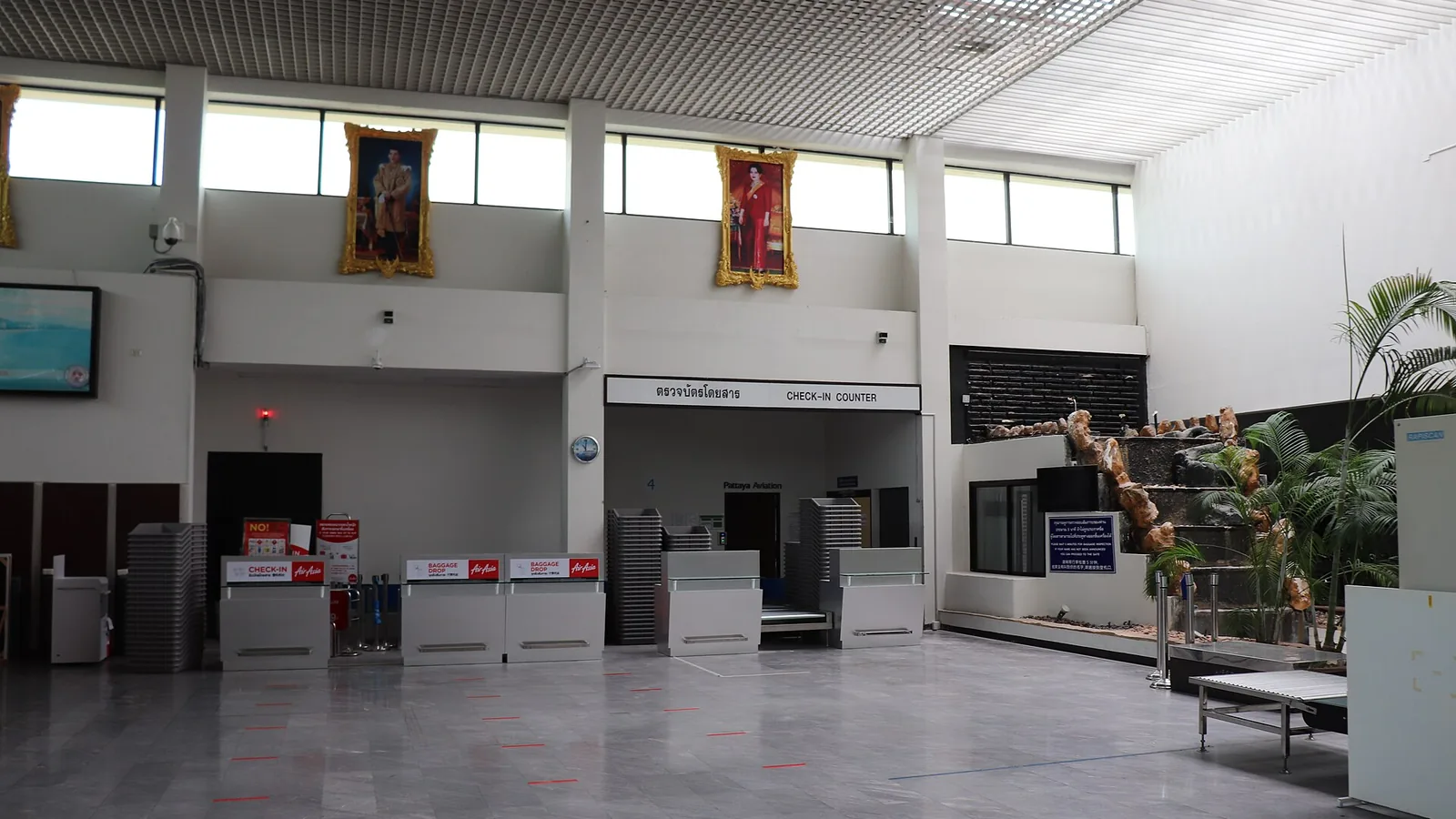
At the airport: AIS and True have counters in arrivals at Suvarnabhumi, Don Mueang, Phuket and Samui. The most expensive option, but the easiest, and staff set it up for you.
At 7-Eleven: in every town, including Ban Krut. Cheaper than the airport, but less choice, and staff cannot always help with setup.
Online before you fly: eSIMs arrive by email. Activate only once you have landed — validity usually starts at activation.
What it costs
The prices below reflect August 2026 and are worth checking before you buy, as operators change packages often.
AIS sells tourist packages from around 299 baht for eight days with 15 GB. True has plans from around 449 baht for eight days with unlimited data. For a full month, expect roughly 700 to 1,200 baht. By comparison, roaming on a European contract outside the EU costs many times more.
You will need your passport
Every SIM in Thailand must be registered to a person. That is Thai law, not an upsell. Have your passport ready when you buy — including at 7-Eleven.
Buy an eSIM online and the provider handles registration for you.

Coverage outside the cities
In towns, along the coast and on the larger islands, 4G and 5G are solid. AIS has traditionally had the widest rural coverage, and it shows once you leave the tourist trail.
On small islands, in national parks and in the mountains the signal can disappear entirely. Download your area in Google Maps for offline use before you set off — it is the one thing people wish they had remembered.
Wi-fi in hotels and cafés
Almost every place to stay has free wi-fi, and most cafés do too. Speeds are usually fine for everything except large downloads.
Remember that open networks are open. Avoid banking and other sensitive tasks on hotel wi-fi unless you are using a VPN.
Do you need a VPN?
The honest answer: not to use the internet in Thailand. It works fine, and the sites most travellers need are freely available.
A VPN is genuinely useful in two situations. If you want to watch television from home, those services are geo-blocked abroad and a VPN is the only way around it. And if you use open hotel or airport wi-fi for anything sensitive, a VPN encrypts the connection.
If you only need Google Maps and Messenger, save your money.
If you decide you want one, NordVPN is the provider we link to.
Affiliate link. If you book through it we earn a commission, at no extra cost to you.
The practical bits
- Buy a tourist SIM in arrivals — ten minutes and you are online.
- Bring your passport. Registration is required by law, 7-Eleven included.
- An eSIM keeps your home number active alongside it.
- Activate an eSIM only after landing — validity starts then.
- Download offline maps before you leave wi-fi behind.
- AIS usually has the best coverage outside the big cities.