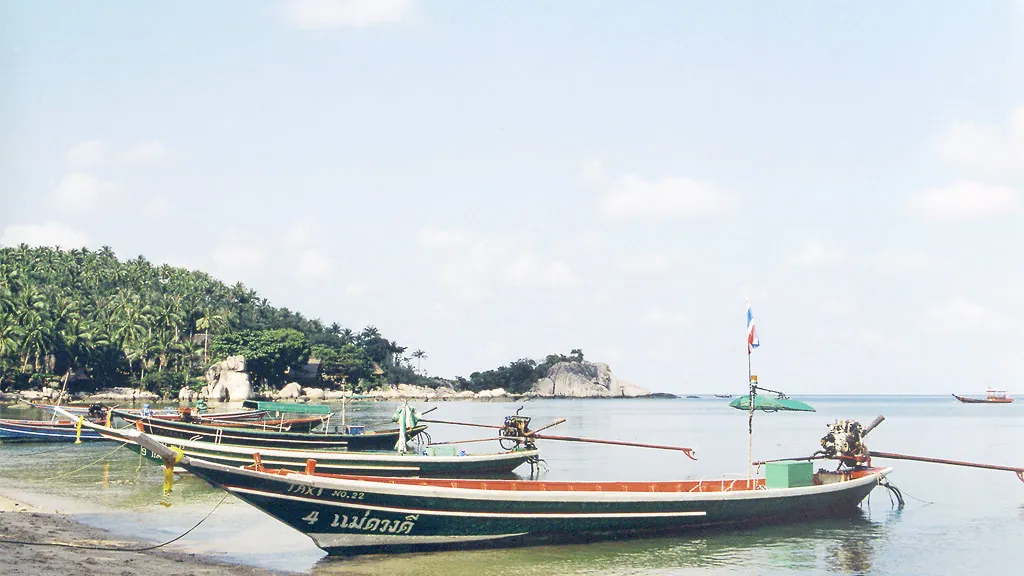
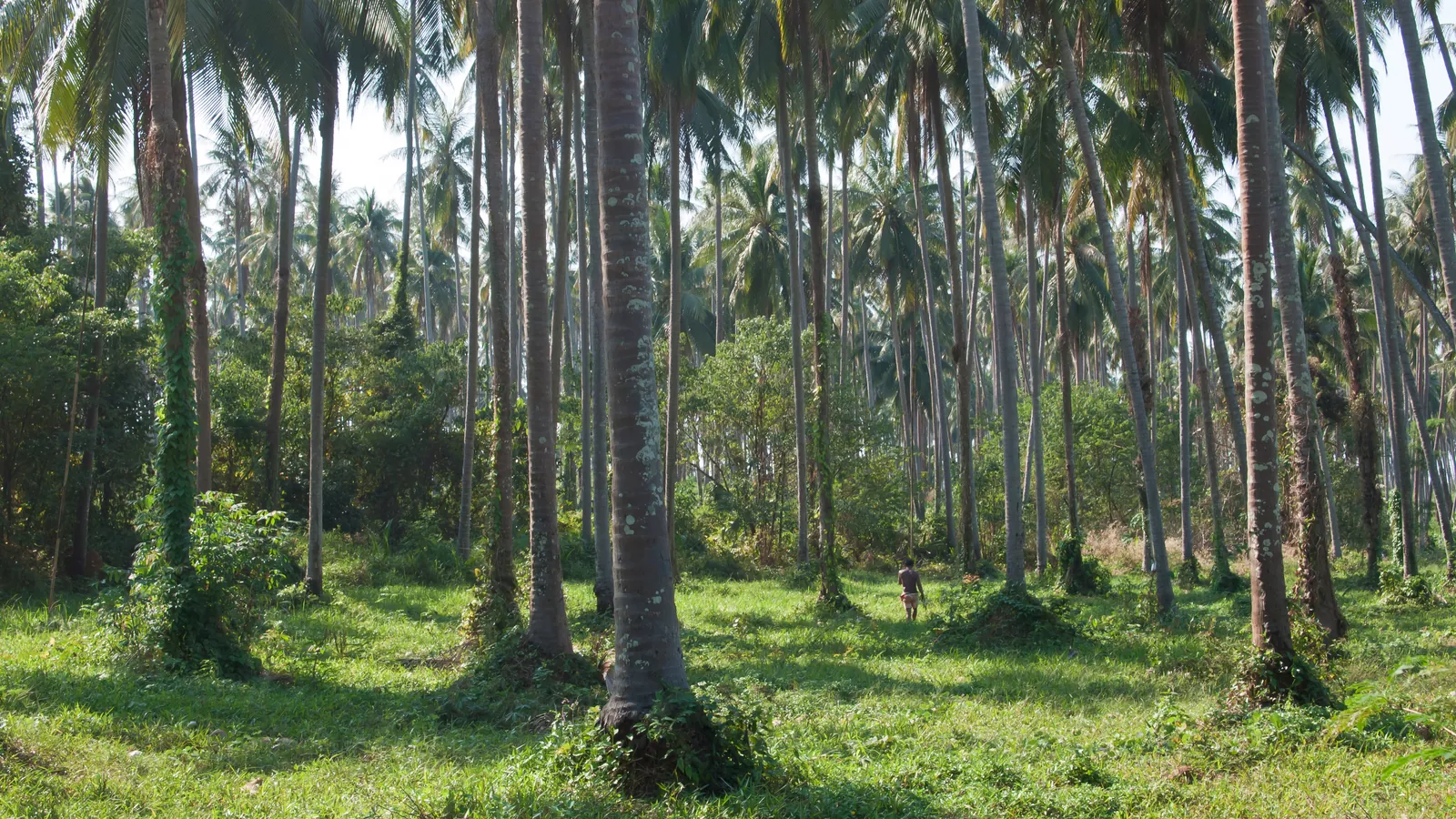
November to April is the island at its best. May to October is cheap, green and quiet — partly because a lot of it is shut.
Find a room before you go.
Koh Lanta sits on the Andaman coast, so its year runs the same way as Phuket's and the opposite way to Koh Samui's: dry from November to April, wet from May to October. What makes Lanta different is how strongly the island itself follows that calendar.

In high season the whole west coast is open, the sea is flat, and boats run to Phi Phi, Krabi and the Four Islands every morning. In low season the southern half thins out dramatically — restaurants, dive shops and whole resorts close for months, and the ferry timetable shrinks to a fraction. The island does not stop, but it does empty.
Affiliate link. If you book through it we earn a commission, at no extra cost to you.
November is the turn: the rain has usually finished, the island is at its greenest, everything has just reopened and prices have not climbed yet. Late April is the mirror image — still dry, still calm, and noticeably cheaper than February.
December to February is peak season: the most reliable weather of the year, and the highest prices, with Christmas and New Year needing to be booked months ahead. March and April are hot and dry, and April is the hottest month of the year as well as Songkran, the national water festival in mid-April.

From May to October the price of a room can fall by half or more, the island is green and the beaches are close to empty. Rain usually comes in heavy bursts rather than all day, and there is plenty of sun in between — especially in May, June and early October.
The trade-off is choice. Boats to Phi Phi and the islands run less often or not at all in the roughest weeks, the south of the island loses much of its eating out, and the sea gets rough enough that swimming is not always sensible. Because the bridges connect Lanta to the mainland, minivans keep running all year — so getting there is never the problem.

| January | Dry, calm, busy — the peak of the season |
| February | Hot and reliable, flat sea, high prices |
| March | Hot and dry, excellent water clarity |
| April | Hottest month, Songkran mid-month, season ending |
| May | Monsoon starts, prices drop, places begin to close |
| June | Warm rain in bursts, green and very quiet |
| July | Wet, with sun between the showers |
| August | One of the wettest months, rough sea |
| September | Wettest and quietest — much of the south is shut |
| October | Rain easing, the island reopens late in the month |
| November | Everything open again — the best value month |
| December | Dry and calm, prices climb towards Christmas |
May to October, with August and September the wettest. Rain tends to arrive in heavy bursts rather than lasting all day.
Partly. The north around Saladan and Klong Dao stays open all year, but many places from Klong Nin southwards shut from about May to October.
June to October, when room rates often fall by half. Just check that your hotel and the restaurants near it are open.
For weather, yes — January is the middle of Lanta's dry season, while Samui sits on the opposite calendar and has just come out of its rainiest months.
More Koh Lanta and Andaman coast guides, plus the rest of Thailand's islands.